Unexpected Cancer Discovery: A Mom’s Journey
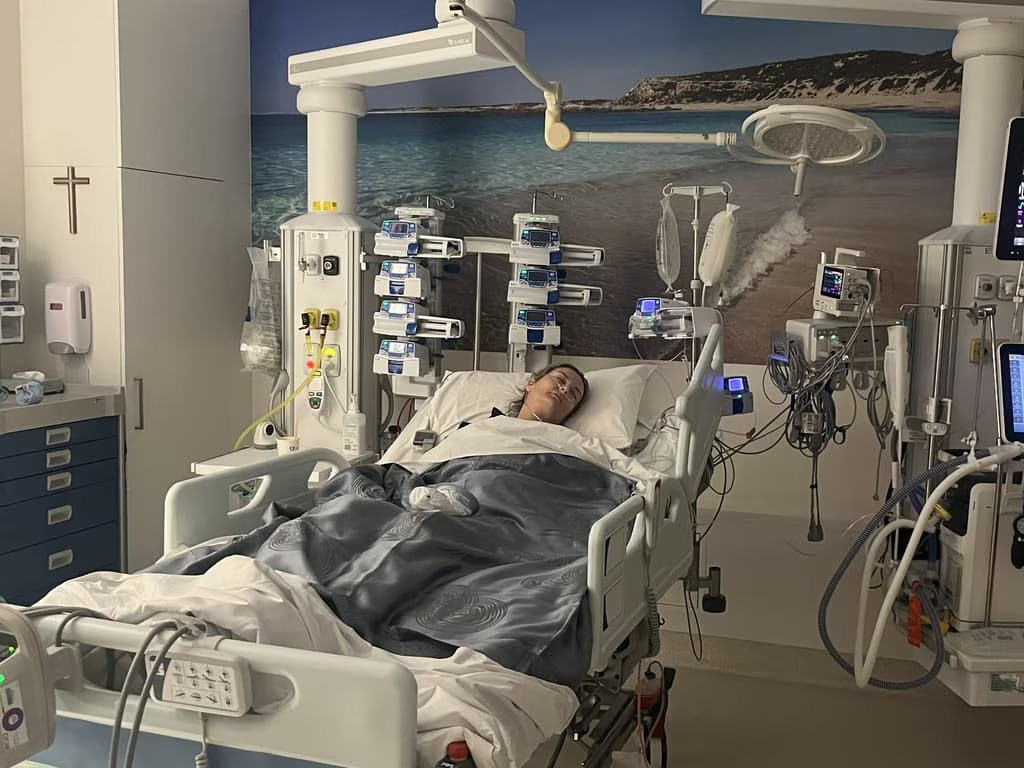
A 40-year-old mother from Adelaide, Helen Worthington, is facing a difficult battle after unexpectedly discovering she has Stage 4 bowel cancer. One night, she went to sleep feeling fine. By morning, she faced a life-changing diagnosis.
Initially, Helen noticed an unusual discomfort in her abdomen on August 27 of last year. As a primary school teacher, she had been accustomed to minor health issues and thought she might be experiencing a simple case of gastro. However, concerned by a sharper pain in her stomach, she decided to visit the emergency department as she couldn’t secure an appointment with her GP.
Despite her hesitations and apologies, fearing she might be overreacting, medical staff took her concerns seriously. This decision led to a shocking revelation; what she assumed was gastritis turned out to be advanced bowel cancer.
Facing the Unexpected
The reality of her condition was hard to comprehend. In addition to her bowel, the cancer had spread to her liver. Until this discovery, she hadn’t experienced any significant symptoms, other than a general feeling of tiredness.
Within 24 hours of the diagnosis, Helen underwent emergency surgery to remove part of her bowel. This was followed by chemotherapy. The hardest moment, however, was telling her 12-year-old daughter, Molly. With uncertainty looming, Helen couldn’t assure her daughter that everything would be alright.
Adapting to Treatments
Helen is currently managing her treatment with regular chemotherapy sessions, having completed her 27th round. Her cancer, which has a BRAF V600E mutation, is aggressive in nature. Her treatment plan includes continued chemotherapy as long as it remains effective and her body can handle it.
In addition to chemotherapy, Helen has embraced medically prescribed exercise to maintain her physical and mental health. Though initially skeptical, encouragement from her sister-in-law, an oncology physiotherapist, led her to incorporate exercise into her routine. This has been a significant part of her journey, helping her become physically fitter and mentally engaged.
The Role of Exercise in Cancer Care
The Clinical Oncology Society of Australia advocates for exercise as a standard part of cancer treatment. It recommends at least 150 minutes of moderate aerobic activity, or 75 minutes of vigorous exercise weekly, alongside strength-training sessions.
Such exercise can alleviate treatment side effects, enhance physical capabilities, and may lower the chances of cancer recurrence. It has shown potential in improving survival rates for some cancer types.
Overcoming Barriers
Despite its benefits, access to exercise programs in cancer care remains uneven. Lauren Whiting, an oncology physiotherapist, emphasizes the need for systems that deliver exercise as a standard component of treatment. These require the right referral processes, funding, trained professionals, and infrastructure.
A report from Deloitte Access Economics highlights the economic benefit of exercise physiology in cancer care, with every $1 spent yielding about $3 in economic returns.
The journey for Helen Worthington continues as she adapts to her treatment plan, prioritizing both effective cancer care and maintaining her quality of life through prescribed exercise.