Harvard University Rebuilds from Crisis
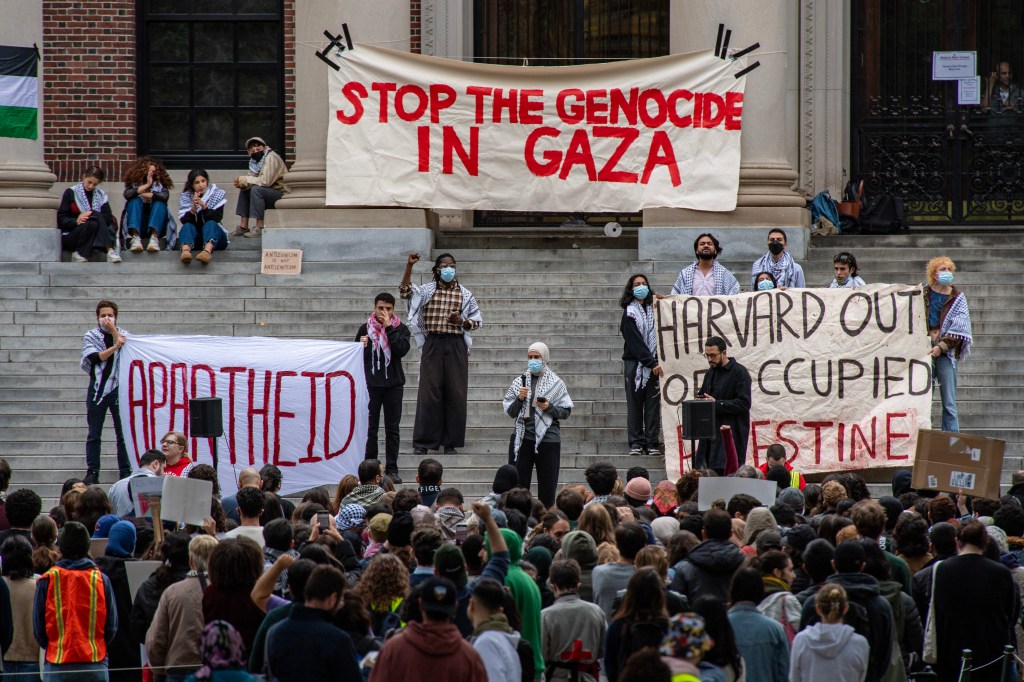
Since October 7, 2023, Harvard University has faced multiple challenges. The campus experienced turmoil from pro-Palestine protests. President Claudine Gay was accused of plagiarism. The Supreme Court struck down the university’s affirmative action policies. Harvard was criticized as the worst for free expression. Grade inflation became an issue. The Trump administration targeted its federal funding.
The once-premier university lost trust from students, faculty, donors, and the public. Recently, Harvard has worked to regain confidence through new initiatives. These include protecting academic freedom, combating grade inflation, encouraging dialogue, and resisting AI in learning. Professors note progress.
“I think for the first time university leadership realizes that higher ed—and Harvard in particular—has gotten itself into trouble,” noted psychology professor Steven Pinker. “I do think there’s a change. These various initiatives—constructive dialogue and intellectual vitality—are in the air.”
Steven Pinker attributes improvements to President Alan Garber, who started in January 2024. “Our previous administrations focused on avoiding trouble. They didn’t consider the university’s purpose,” Pinker explained. Under Garber, the Open Inquiry and Constructive Dialogue Working Group was established, and protest policies were updated. Restrictions on demonstrations in libraries, classrooms, dorms, and dining halls were implemented.
Harvard also stopped making institutional statements on controversial issues if unrelated to campus life. The faculty adopted rules on viewpoint-neutral teaching. Students were assured that their politics wouldn’t affect their grades, and professors were supported to express views freely outside class. Revised course evaluations now ask students if instructors welcome differing opinions.
Changes have been noticed. Santiago Romero-Brufau, a professor of biostatistics, observed a more open atmosphere. “A few years ago, it was much more tense. People are more comfortable discussing sensitive topics without fear,” he said. He praised Chatham House rules applied in classroom discussions, encouraging free expression by ensuring confidentiality.
Ned Hall, a philosophy professor, reported a positive change. Students now engage more in discussions about controversial issues. Hall was also involved in establishing the Council on Academic Freedom in 2023, advocating for better open inquiry.
Previously ranked lowest for free expression, Harvard improved its standing in the Foundation for Individual Rights and Expression (FIRE)’s rankings, now in the top 25 schools for political tolerance. Laura Beltz from FIRE credited multiple reforms for this transformation. “Harvard is committed to free speech,” she noted. Beltz emphasized the importance of sustaining this culture as new students enroll.
Starting with the Class of 2029, Harvard applicants must write an essay on disagreeing with someone and what they learned. A required orientation module titled “Intellectual Life and Constructive Disagreement” for new students was introduced.
Addressing grade inflation, Dean Amanda Claybaugh established a faculty committee in 2024. They proposed a 20% cap on A grades, effective in fall 2027. The median graduating GPA had risen significantly over 15 years, necessitating action. Pinker mentioned taking attendance in lectures as an increasing norm.
Harvard also confronts AI challenges. The Derek Bok Center launched a “Teaching and AI” initiative, helping faculty create AI-resistant assignments, such as in-person and oral exams.
All these changes signal an academic renewal at Harvard. “There is a greater willingness among the administration and students to focus on academics,” Pinker concluded.