Gavin Newsom’s Decision on Clemency and Its Impact
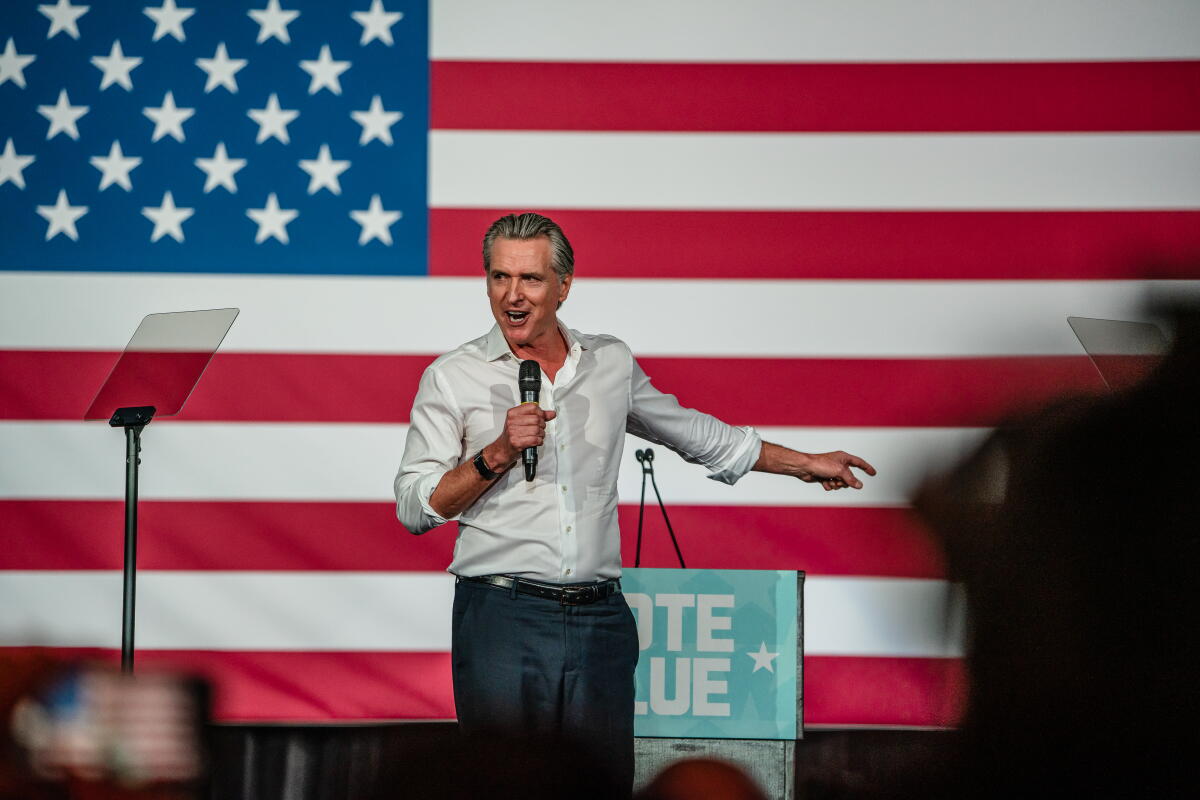
Gavin Newsom, while running for governor of California in 2018, promised to be bold rather than settle for mediocrity. This mindset was evident when he offered clemency to every inmate sentenced to death in California. Amid speculation about his future presidential prospects, Newsom made a clear statement about his leadership style.
Newsom emphasized that leadership requires making decisions, not just following public opinion. He stated, “If my job is just to read the polls, you can have an AI chatbot as governor.” This approach reflects his commitment to changing public opinion and challenging existing norms.
“I’m here to change polls, change minds,” Newsom said, explaining his decision to challenge the status quo.
The decision to offer mass clemency is not Newsom’s first bold move. As mayor of San Francisco, he allowed same-sex marriages, defying federal law. His statewide actions, such as the stay-at-home order during COVID-19 and efforts to redraw congressional districts, showcase his willingness to push boundaries.
Newsom argues that his decisions are rooted in principles of justice. He echoed Bryan Stevenson’s sentiment that wealth often unfairly affects legal outcomes. “I couldn’t not have done this,” he asserted, emphasizing his moral obligation.
Under California’s Constitution, Newsom can commute part of the death row sentences. However, some require approval from the state’s Supreme Court. While previous governors faced rejections on similar actions, Newsom’s approach highlights a commitment to judicial fairness.
Despite this movement, capital punishment remains legal in California, with district attorneys continuing to evaluate eligible cases. Los Angeles County District Attorney Nathan Hochman expressed that until laws change, evaluations will persist with rigor and care.
Opponents argue Newsom’s decision could influence his future political ambitions. Critics, like Riverside County District Attorney Michael Hestrin, claim it disregards justice for victims.
Public opinion remains divided. A Pew Research Center poll showed a majority of voters support the death penalty, highlighting a potential challenge for Newsom in national politics. Yet, his actions align with progressive values, potentially benefiting his appeal in Democratic primaries.
Political expert Gar Culbert noted it might be advantageous for Newsom to appeal to the Democratic base. Culbert added that national elections are unpredictable, making Newsom’s strategy unclear.
Newsom first issued a moratorium on executions in 2019, citing discrimination and injustice in capital punishment. His former advisor, Daniel Zingale, confirmed that Newsom was less concerned with poll data and more with principles.
Although the clemency decisions have limited practical effects—given California’s last execution was in 2006—they signal significant change. Newsom even dismantled the death chamber at San Quentin State Prison, symbolizing a shift in policy.
“I’m not an idiot. The ads write themselves,” he commented on potential political repercussions, emphasizing authenticity in his leadership decisions.
With time in office limited, Newsom aims to avoid regrets, preferring to take risks and lead rather than reflect on missed opportunities later. “I’ve spent my life trying not to be that person,” he concluded, underlining his resolve to take risks and instigate change.