Leonard Cohen’s Enduring Vision and the Dynamics of Our Times
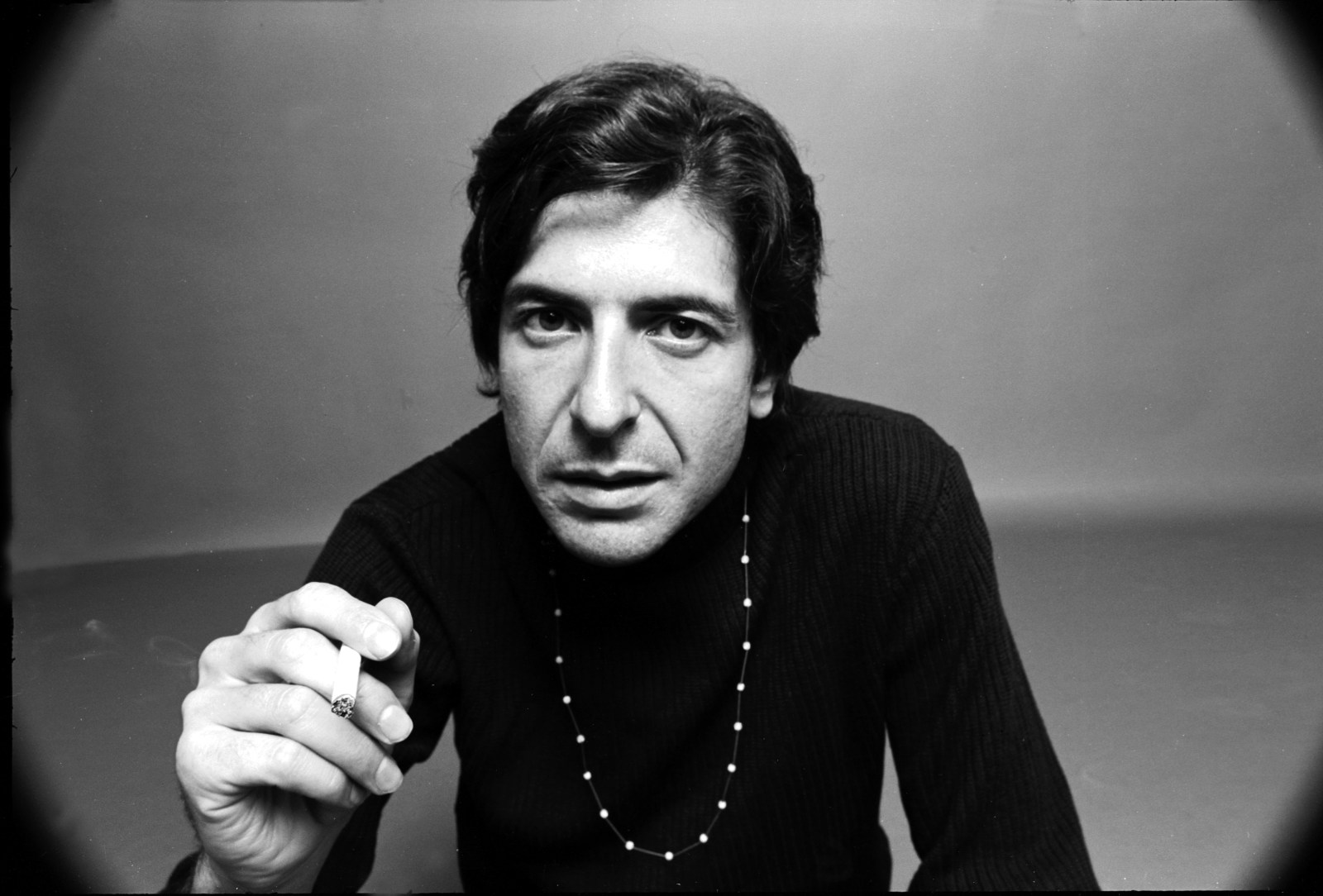
At Meridian Hall in Toronto, Adam Cohen will perform his late father Leonard Cohen’s songs. The event, ‘Everybody Knows,’ marks a decade since Leonard Cohen’s death. He passed away on November 7, 2016, at 82 in Los Angeles. His death coincided with Donald Trump’s election, though the news was withheld until after the vote.
Leonard Cohen’s last album, You Want It Darker, was released just before his death. In a 2016 interview with The New Yorker, he expressed readiness for death, yet soon after claimed he intended to “live forever,” illustrating his typical self-dramatization. Through his life, Cohen avoided definitive positions, leaving an indelible mark with songs that explore themes of societal collapse and human extremes. The decade posthumously continued to reflect his influence, with Trump-era America resonating with Cohen’s themes.
The catastrophe has already happened.
Cohen’s perspective on world events suggested that the only remaining concern was how to navigate the aftermath. His view contrasted with an American tendency towards certainty, seen among political and cultural figures.
Songs adapt over time, often gaining new relevance. The Future, from Cohen’s 1992 album, captures a turbulent world, predicting a loss of moral order that echoed today’s challenges. The song, born from the L.A. riots, envisages chaos and a longing for past certainties. The 1990s lacked today’s pervasive digital landscape, making today’s complexities seem overwhelming by comparison.
In 1989, Cohen began writing Democracy as the Berlin Wall fell, forecasting ensuing suffering. He did not endorse the Soviet Union, but believed superpower competition offered a measure of moral stability. This outlook stood at odds with Donald Trump’s later political movements, epitomized by his desire to construct a U.S.-Mexico border wall. Events like the January 6 Capitol breach show how Cohen’s premonitions about societal divisions have materialized in unexpected ways.
Cohen’s curiosity extended beyond physical walls, probing what occurs within people when such structures fall. His song First We Take Manhattan portrays a fascination with extremism, acknowledging such impulses in himself while advocating expression through art rather than violence.
When Trump launched Tomahawk missiles at Syria in 2017, media quotes of Cohen’s lyrics pointed to the evocative power of music in political contexts. Cohen, however, captured deeper meanings, recognizing both societal violence and subtle forms of disorder such as trust erosion and pervasive fear.
In Everybody Knows, Cohen related to the AIDS crisis, but also articulated grander themes of alienation and inequality. Trump capitalized on sentiments of rigged systems, often projecting personal grievances onto broader societal narratives. Cohen’s lyrics consequently gained renewed significance with the COVID-19 pandemic, manifesting in the challenges of collective crisis response.
Despite an aversion to dictating thought, Cohen foresaw the rise of ‘fake news’ and accompanying rejections of ambiguity. Modern artists, unlike Cohen, openly affiliate with political causes, influencing public discourse, and redefining cultural roles in politics. Leonard Cohen’s music, appropriated by political entities, sometimes without permission, underscores the tensions between artistic intent and appropriation.
The Republican National Convention’s unauthorized use of Hallelujah in 2020 highlighted such clashes. Cohen’s estate consistently opposed these interpretations, emphasizing an essential misalignment with Cohen’s nuanced messages.
Beyond darkness, Cohen advocated for personal responsibility amid chaos. His song Anthem embodies a belief in resilience, underlining that optimism exists alongside doubt. In his view, uncertainty reinforced awareness rather than diminished hope.
Reflecting on Cohen’s legacy, his music endures by acknowledging the limits of foresight, cautioning that an era of rigid certainty could obscure nuanced understandings. The search for clarity in his work indicates the enduring complexity of human experience and societal transformation.