BYU’s Approach to NIL and Maintaining Values
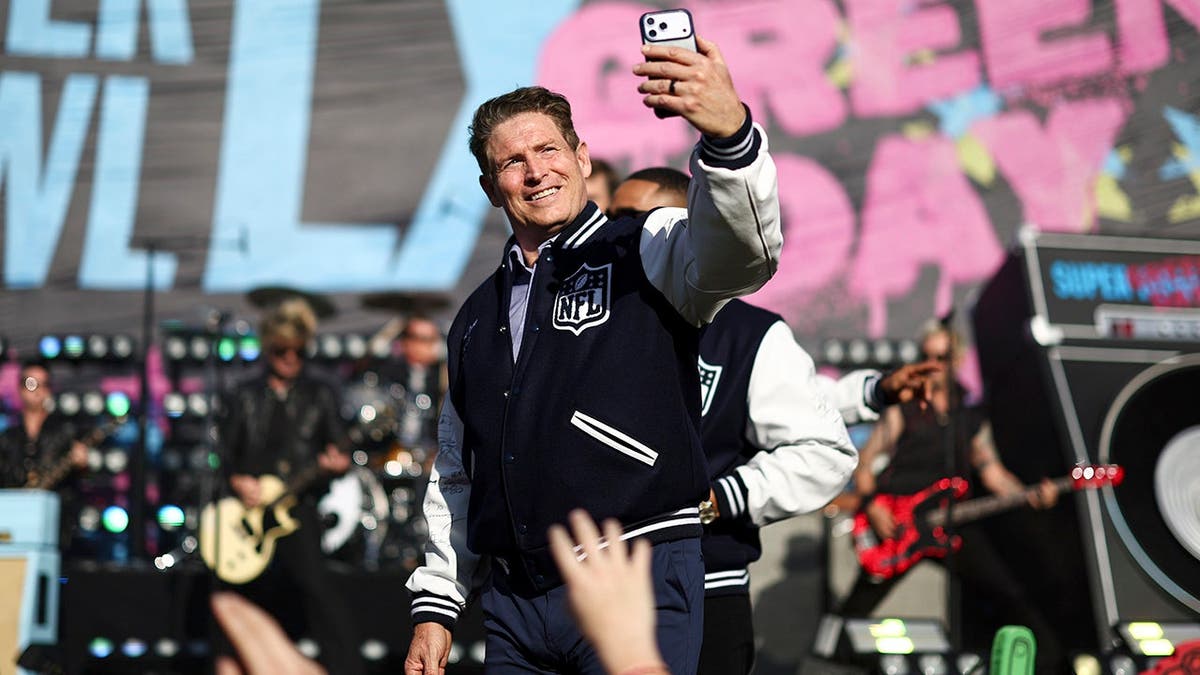
Steve Young, former NFL legend and an iconic figure from BYU, questioned how the school would adapt to the name, image, and likeness (NIL) changes that reshaped college football in 2021. Contrary to his concerns, BYU not only adapted but thrived. Since then, the Cougars have secured the ninth-most wins in college football alongside Boise State. They impressed by reaching No. 7 in the AP poll and attained No. 2 after defeating Notre Dame. A victory against No. 3 Utah could further elevate their standings.
“I’m not throwing anyone under the bus,” BYU Vice President of Advancement Keith Vorkink expressed, “but there’s rumored payment of players long before NIL.”
Vorkink assures that BYU adheres to policies, and they are grateful for the opportunities NIL offers within compliance. The school incorporates NIL to enhance recruiting without straying from its core values.
BYU emphasizes maintaining its unique culture. As Coach Kalani Sitake exemplifies, the university and the athletic department align with the school’s mission and values, which is essential in attracting student-athletes. BYU prioritizes student attraction through culture rather than monetary incentives. Young lauded Sitake’s dedication to fostering an environment that goes beyond mere financial gains.
Vorkink noted that despite NIL’s competitive nature and substantial monetary incentives, players like five-star freshman forward Bruce Branch and star quarterback Bear Bachmeier chose to stay due to BYU’s culture. Vorkink highlighted AJ Dybantsa, a top 2026 NBA draft pick, who flourished at BYU despite initially knowing little about the university.
Students at BYU are bound by an honor code that demands abstinence from substances like alcohol and tobacco, among others, and restricts certain personal behaviors. Young mentioned that leading with the honor code makes recruitment unique and can attract players looking for such environments.
There is concern about NIL’s broader effects, with Young and Vorkink highlighting the need for regulations to stabilize the system. Vorkink pointed out that student-athletes contribute significantly to university economics and should partake in the benefits. Legislative measures could provide necessary governance and balance competing interests.
Young echoes the sentiment, suggesting Congress is best positioned to reconcile athlete compensation and educational achievements without limiting transfers. He noted the previous imbalance where players received minimal stipends despite the influx of money into the system.
“We’ll compete, but we’ll do it in what I call the BYU way,” Young affirmed.