New Zealand Election Results Uncertain Due to Close Race
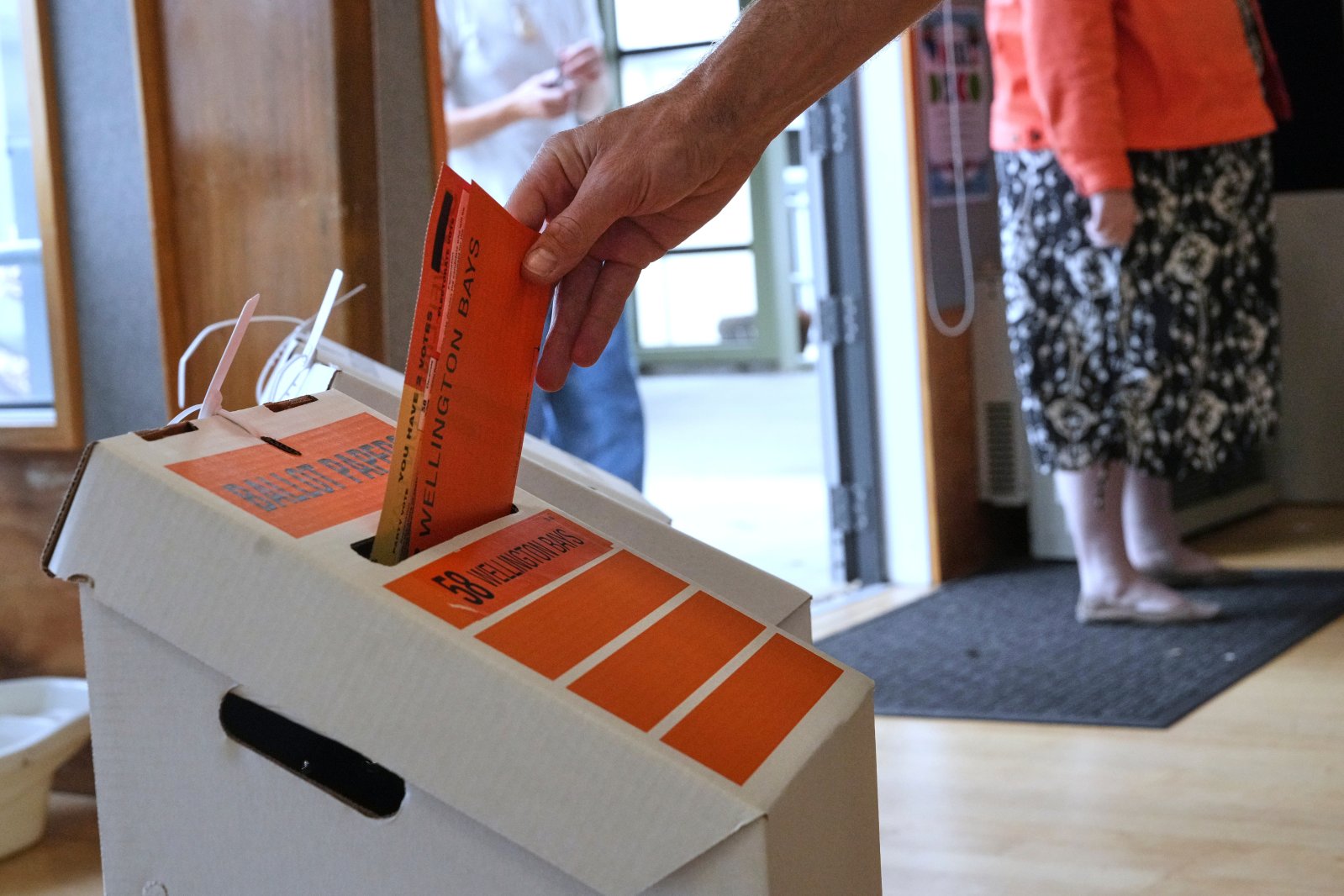
New Zealand’s recent election remains uncertain as preliminary results suggest Prime Minister Christopher Luxon’s center-right coalition holds a slim one-seat majority. Meanwhile, the opposition Labour Party leads the nationwide party vote by a narrow margin. The close outcome leaves Luxon’s bid for another term unresolved, and the final government composition may take weeks to finalize.
Preliminary results from all voting sites show Labour with 29.36 percent of the vote, slightly ahead of Luxon’s National Party at 29.21 percent. Labour secured 710,330 votes against National’s 706,680, a difference of only 3,650 votes or 0.15 percentage points.
National held 42 projected seats compared to Labour’s 36, benefiting from more victories in electorate contests. National’s allies, ACT New Zealand and New Zealand First, are projected to win 13 and 12 seats respectively. This gives the center-right bloc 67 seats, achieving a 66-seat majority.
Luxon stopped short of proclaiming victory, instead stating his coalition has “a pathway to forming the next government,” but noted, “I have to tell you right now it is too close to call.” The Electoral Commission and party leaders have been contacted for additional comments.
Special Votes to Decide Outcome
The result is still preliminary with special votes pending inclusion in the official tally. The Electoral Commission estimates about 399,000 special votes remain. These votes could alter the final parliamentary makeup.
Special votes include those by some overseas New Zealanders and individuals unable to cast ordinary votes in their electorates. These are not considered in election-night totals and often change final party percentages and seat distribution.
Until results are final and a government forms, New Zealand operates under a caretaker administration. The Electoral Commission plans to declare official results by November 27. Labour leader Chris Hipkins acknowledged the uncertainty, telling supporters, “Tonight, New Zealand has spoken. It may take us a little bit longer to figure out exactly what it is that you’ve said.”
Fragmentation and Minor Party Influence
None of New Zealand’s major parties secured more than 30 percent of the party vote, indicating limited voter enthusiasm for traditional parties as illustrated in pre-election polls. Smaller parties made notable gains:
- The Greens: Projected 16 seats
- ACT New Zealand: Projected 13 seats
- New Zealand First: Projected 12 seats
- The Opportunity Party: Projected 7 seats with 5.96 percent
- Te Pāti Māori: Projected 5 seats, winning five electorate contests
New Zealand employs a mixed-member proportional electoral system where each voter selects a local representative and a political party. The Parliament typically has 120 seats, but this election resulted in 11 overhang seats, expanding the total to 131 and lifting the majority threshold to 66.
Polling and Global Political Context
Final polls suggested a close race, but varied on which party might lead. A 1News-Verian poll had National at 30 percent and Labour at 29 percent. Conversely, a Post-Freshwater Strategy poll showed Labour at 30.7 percent and National at 26.4 percent.
Globally, some conservative and far-right parties have gained traction, notably in Europe. Yet, New Zealand’s political scene doesn’t closely follow that pattern. Luxon’s National Party is center-right, ACT is libertarian, and New Zealand First is populist. The results show no surge for traditional conservatives, as National lost seats from the prior election, but ACT and New Zealand First gained.