Israeli Government Faces Coalition Challenge After Election
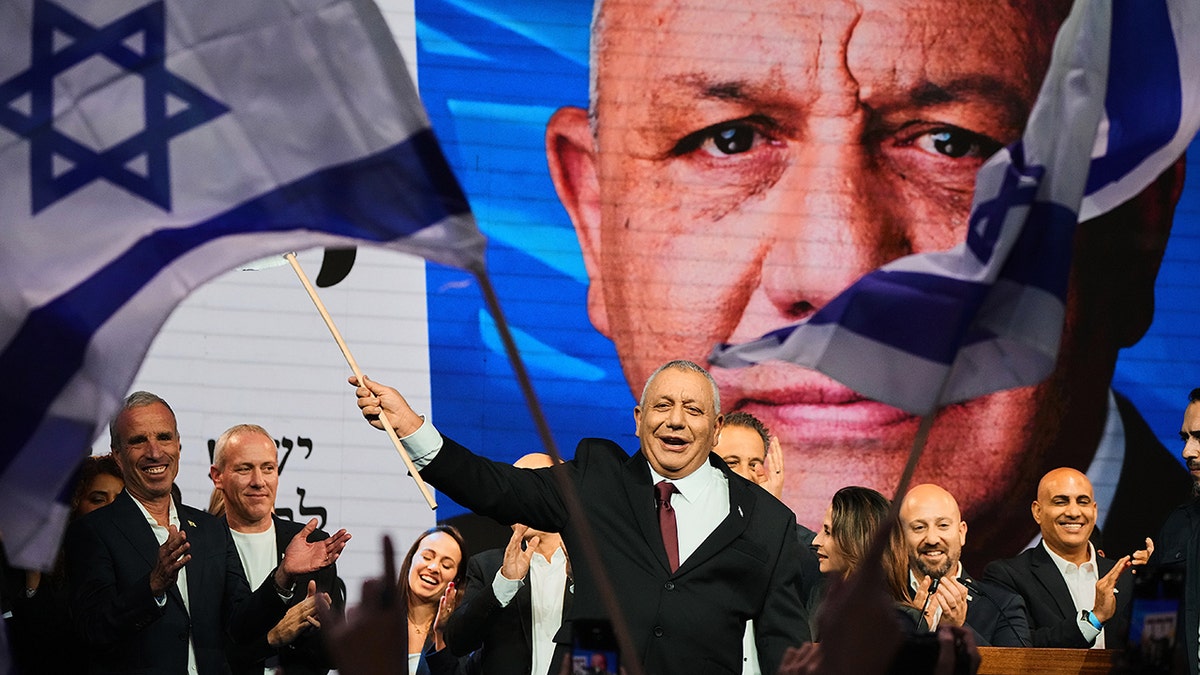
In Tel Aviv, Israel, coalition negotiations remain deadlocked following an inconclusive election. Political factions are meeting with President Isaac Herzog. Benjamin Netanyahu and rival Gadi Eisenkot both seek to gain the necessary recommendations to form a government.
On Saturday, President Herzog selected opposition leader Gadi Eisenkot to form Israel’s next government. This decision gives Eisenkot the first opportunity to build a coalition after the recent national election. Although Herzog announced this on November 7, the formal mandate presentation is scheduled for Sunday, November 8, at 5 p.m. Israeli time. Eisenkot will have 28 days to establish a government, with a possible 14-day extension.
Herzog’s decision may signal the end of Netanyahu’s leadership, yet it could start a difficult period of coalition negotiations. Disagreements among the parties aiming to replace him are evident.
Eisenkot, leader of the Yashar party, expressed his intent for a National Emergency Government. His plan rests on four parties committed to unseating Netanyahu while remaining open to others joining.
After consultations with the newly elected Knesset, Herzog revealed that 67 out of 120 members support Eisenkot. Netanyahu received backing from 46 lawmakers. The ultra-Orthodox United Torah Judaism party’s seven members declined to support either candidate.
The challenge for Eisenkot is converting these endorsements into a 67-seat coalition. In the election, Netanyahu’s Likud party secured 27 seats, while his political block attained 53. Eisenkot’s alliance managed just 48 seats.
The additional endorsements for Eisenkot originated from two Arab-led parties: the Joint List and Ra’am, holding 19 seats together. Their support poses issues for some coalition partners who refuse reliance on Arab parties.
In his statement on Friday, Eisenkot accused the outgoing government of threatening democracy. He warned of political instability worsening Israel’s security and diplomatic challenges. His government would focus on: recognizing Israel as a Jewish and democratic state, adhering to the Declaration of Independence, universal service, and dismantling Hamas.
Negotiations among Eisenkot’s camp show progress, but disputes over parliamentary support continue. Avigdor Lieberman of Yisrael Beitenu signaled a compromise on military conscription for ultra-Orthodox Jews. He stressed the need to avoid further elections and move past Netanyahu.
Despite potential alliances, Eisenkot faces hurdles. Differences within his coalition persist. The conscription issue and reliance on Arab parties are major sticking points. A minority government is possible but faces opposition from some partners, including Lieberman.
Despite a majority recommending him, Eisenkot must reach agreements among divided parties. Netanyahu remains interim prime minister while negotiations progress. He contests certain election results amid alleged voting issues. However, Israel’s Central Elections Committee confirmed the election’s integrity.
Receiving the mandate is a political milestone for Eisenkot. Crafting a working government hinges on resolving divisions over polarizing domestic issues like military service and Arab cooperation. Failure to do so risks another election.