DARPA’s Initiative to Safeguard Digital Markets
The Defense Advanced Research Projects Agency (DARPA) is seeking innovative artificial intelligence tools to identify hidden weaknesses in the regulatory frameworks of US financial and digital markets. The goal is to address these flaws before adversaries exploit them, potentially leading to economic instability.
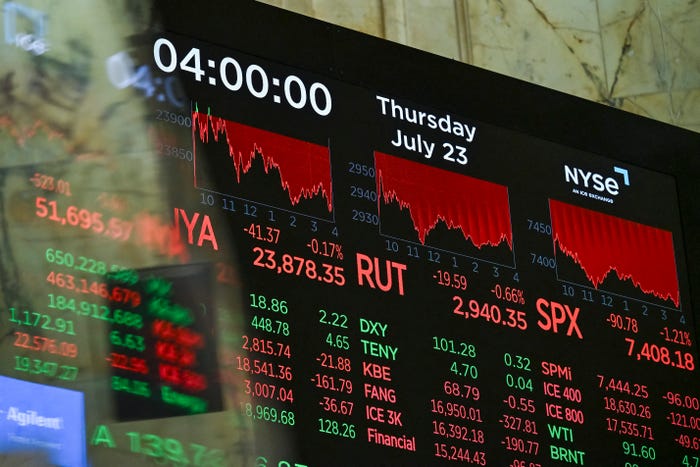
DARPA’s Intrinsic Market Resilience (IMR) program focuses on safeguarding electronic markets, such as those involving stocks, bonds, energy, and cloud-computing resources. These vital systems, while becoming faster and more efficient, now face increased risks due to their interconnectedness.
Advances in AI and automated reasoning offer new defenses. According to Matthew Wilding, the IMR program manager, these technologies could help reinforce electronic market resilience.
The concern is that adversaries might exploit not only system hacks but also market design weaknesses. Historical examples illustrate the potential for disruption:
- In the early 2000s, traders manipulated California’s deregulated energy market, contributing to a crisis that cost $40-45 billion.
- The 2010 “flash crash” saw US stocks rapidly lose value, partly due to manipulative trading practices.
While some gaps have been addressed, the increasing number of electronic markets raises the risk of further exploitation. Innovations in AI and other technologies have lowered entry barriers for bad actors.
The IMR program aims to leverage market analysis and protection modeling to identify weak points before they’re exploited. It targets actors motivated by creating economic disruption rather than financial gain. Utilizing large language models, DARPA intends to convert regulatory filings and technical specifications into operational computer models to identify and rectify market design flaws.
If a market model fails to meet a resilience standard, DARPA wants it to provide specific examples of potential failures. This will help users pinpoint vulnerabilities and develop solutions.
“We’re not just testing,” said Wilding. “We analyze market resilience, determine weaknesses, and devise ways to enhance it.” This reflects concerns that future US attacks may exploit digital infrastructures and market vulnerabilities, rather than employing traditional military methods.