Voter Backlash Over Iran Conflict Echoes Past Elections
Twenty years ago, American voters rejected Republicans due to an unpopular Middle Eastern conflict. On Nov. 3, they repeated this with an eye on Iran.
In 2006, it was Iraq. Now, it is Iran. Democrats took control of both congressional houses, capturing at least seven Senate seats, including in Texas, Ohio, Kansas, and Iowa. Vice President JD Vance placed the blame on the war initiated by President Donald Trump’s administration eight months prior.
A Pentagon strategist during the 2003 Iraq invasion, I had doubts about the aftermath of Saddam Hussein’s overthrow. Now, Trump confronts a similar challenge. Despite significant damage inflicted on Iran’s military, military success doesn’t translate to strategic victory, especially when public support wanes.
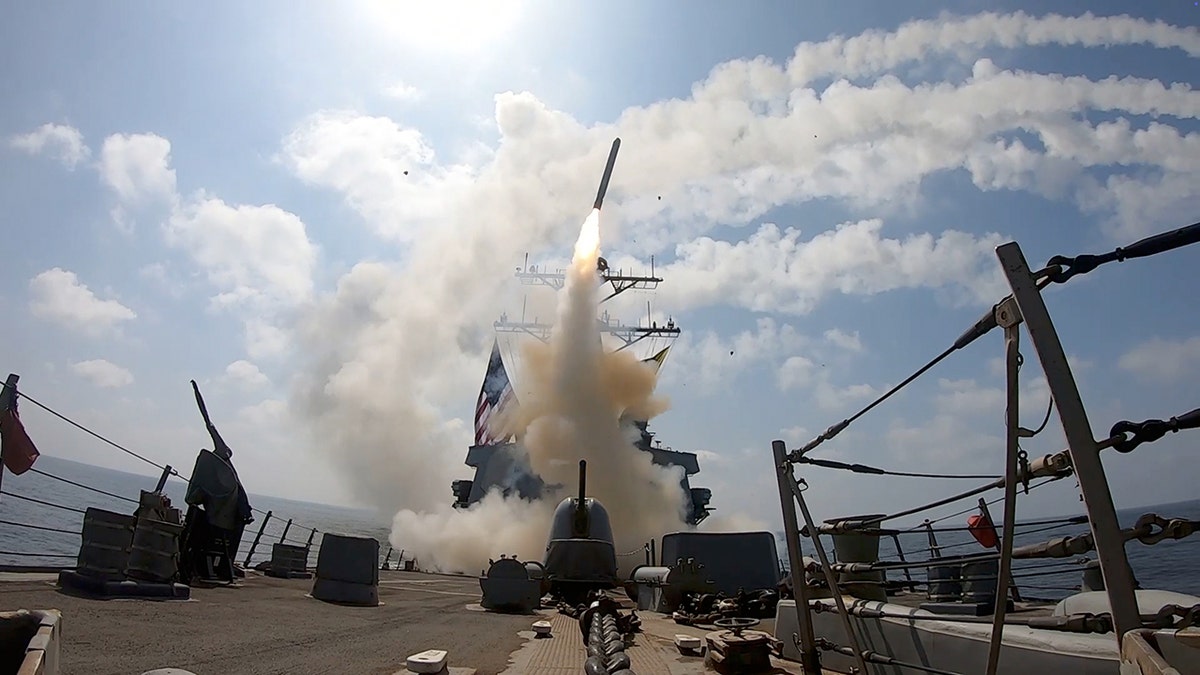
On Feb. 28, 2026, an image from the U.S. Central Command showed a missile launch during Operation Epic Fury. Vance was explicit, “The reason we lost is the war,” challenging anyone to prove otherwise. “Was losing the Senate for six years worth it?” he asked.
Trump acknowledged the war’s role in Republican defeats but stood by his decision, insisting on preventing a nuclear-armed Iran.
Questions about the war’s accomplishments linger after eight months. My positions have been consistent. A nuclear Iran poses a real threat, but military action requires honest intelligence and clear objectives.
I urged the administration to gather facts before entangling America in another Middle Eastern conflict. Nearly a year later, there’s still no clear strategy, as the political fallout is undeniable.
The Fox News Voter Poll highlights the Republican loss: over a third of voters cited the Iran war as crucial to their vote, with most deeming it a wrong decision.
A separate survey found more Americans prefer ending military involvement to lower gasoline prices over halting Iran’s nuclear program. This sentiment should concern the White House.
Trump remains at a crossroads. Despite Iran’s military setbacks, strategic gains are unclear, and public support is critical. War spending has reached $47.1 billion, excluding repairs to damaged American bases, according to Pentagon figures.
The region has seen significant American losses, with costs for base repairs estimated at $5 to $15 billion. Congress must evaluate these losses and restoration needs.
There’s also the opportunity cost. Diverting the USS George Washington from the Pacific to the Middle East affects U.S. presence in a region facing Chinese challenges. America’s commitments to Iran must account for this strategic data.
I once served under Lt. Col. Colin Powell, who championed clear objectives, public support, and exit strategies. Current events suggest neglect of these principles.
Instead of a brief conflict, the U.S. has endured months of operations that haven’t secured long-term stability. Iran’s regime persists, with nuclear ambitions unresolved.
Congress could investigate military losses, demand transparency, and challenge the administration’s actions. While Trump retains power, congressional opposition could hinder his national security plans.
Iran claims Americans rejected war. This is not a message to permit threats to America. But Trump must not equate dominance with strategic success.
Our forces have fulfilled their duty. Their leadership owes them, and Americans, a viable plan to complete the mission at an acceptable cost.