Facebook Fraud Recovery Scams: How to Protect Yourself
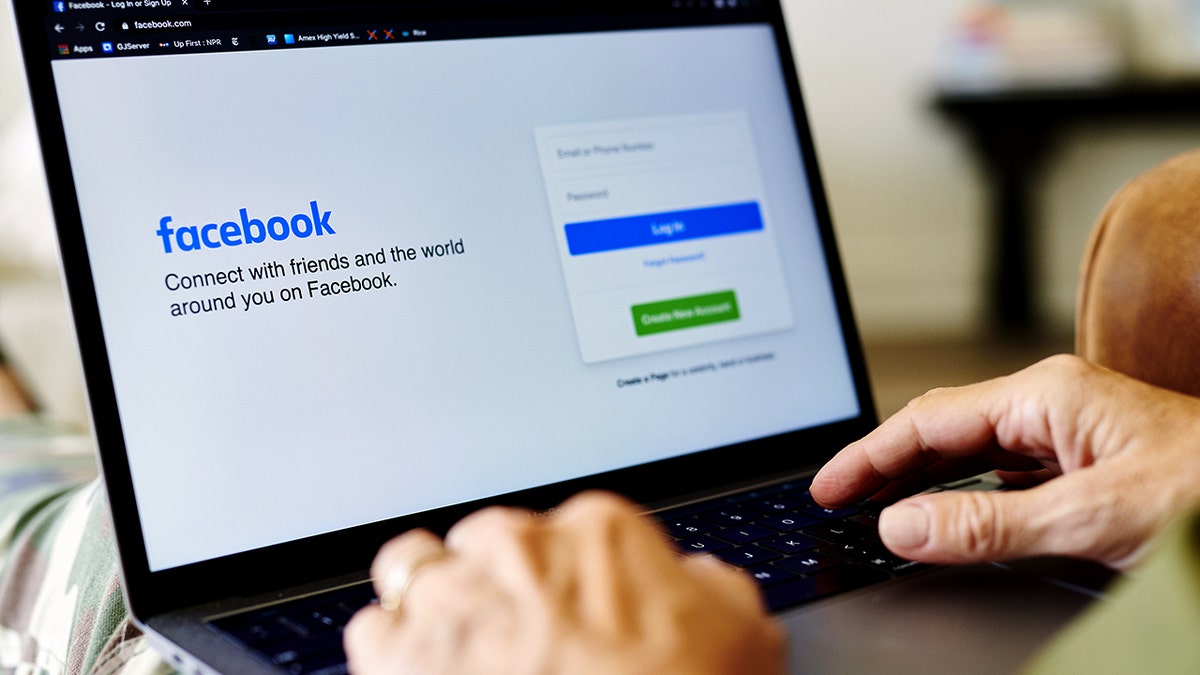
You’ve already lost money to a scam. You’re frustrated and probably wondering whether you’ll ever see that money again. Then, while scrolling through Facebook, an advertisement appears promising to recover your stolen funds. Unfortunately, that moment of hope is exactly what scammers are trying to exploit.
Understanding the Threat
One follower, Patrick K, alerted CyberGuy to suspicious fraud recovery ads and profiles on Facebook. Patrick shared screenshots that prompted an investigation with Meta. After reviewing the examples, Meta confirmed it removed the flagged accounts and ads for violating impersonation policies.
Details of the Scam
The screenshots Patrick shared reveal troubling practices. One advertisement featured a smiling man in a business suit, promoting services like recovering stolen assets and retrieving hacked cryptocurrency wallets. Another profile claimed to be a “Director of Fraud Investigations” with references to official agencies. These ads use official-like imagery, making them appealing and deceptive.
Meta Takes Action
After receiving the screenshots, Meta investigated and removed the compromised accounts and ads. The company reported that over 179 million accounts, pages, and groups were removed for misrepresentation in the first half of 2026. This demonstrates an ongoing challenge for Meta in combating scam activities.
FBI Warnings and Tactics
The FBI issued a warning about scammers impersonating IC3 investigators. This includes creating fake profiles and using AI-generated videos. Between January 2025 and July 2026, there were nearly 61,000 complaints involving impersonation scams, totaling losses over $1.6 billion.
Insight Into Scammer Strategies
Scams involve reaching out to previous victims with new fraud recovery offers, exploiting those already in financial trouble.
These scams make false promises of recovering funds, often charging fees for non-existent services.
Preventing Recovery Scams
- Be skeptical of guaranteed recoveries: No legitimate service can assure specific results.
- Avoid upfront fees: Never pay unexpected fees claiming to release recovered funds.
- Verify government claims: The FBI’s IC3 doesn’t have a social media presence. Verify through official channels.
- Watch for platform changes: Scammers may move conversations to other apps like Telegram.
- Protect personal information: Never share sensitive details with those offering recovery services.
- Research companies: Use reliable sources to check the credibility of recovery service providers.
- Use antivirus software: Ensure robust security to detect fraudulent activities online.
Taking Action If You’ve Been Contacted
If you’ve communicated with a recovery scammer, take these steps:
- Stop communications and verify the entity independently.
- Contact your bank to attempt recovery of funds.
- Report any cryptocurrency transactions to your exchange.
- File an official complaint at IC3.gov and with the FTC.
- Scan your devices for malware if you clicked any links.
- Secure your accounts by changing passwords and enabling two-factor authentication.
Conclusion
Scammers continue to target those financially vulnerable, often using convincing imagery and claims. Don’t let anyone pressure you into paying more to recover funds. Contact your bank or law enforcement directly, and promptly report any suspicious ads.