Iran Resumes Ballistic Missile Production Amid Growing Tensions
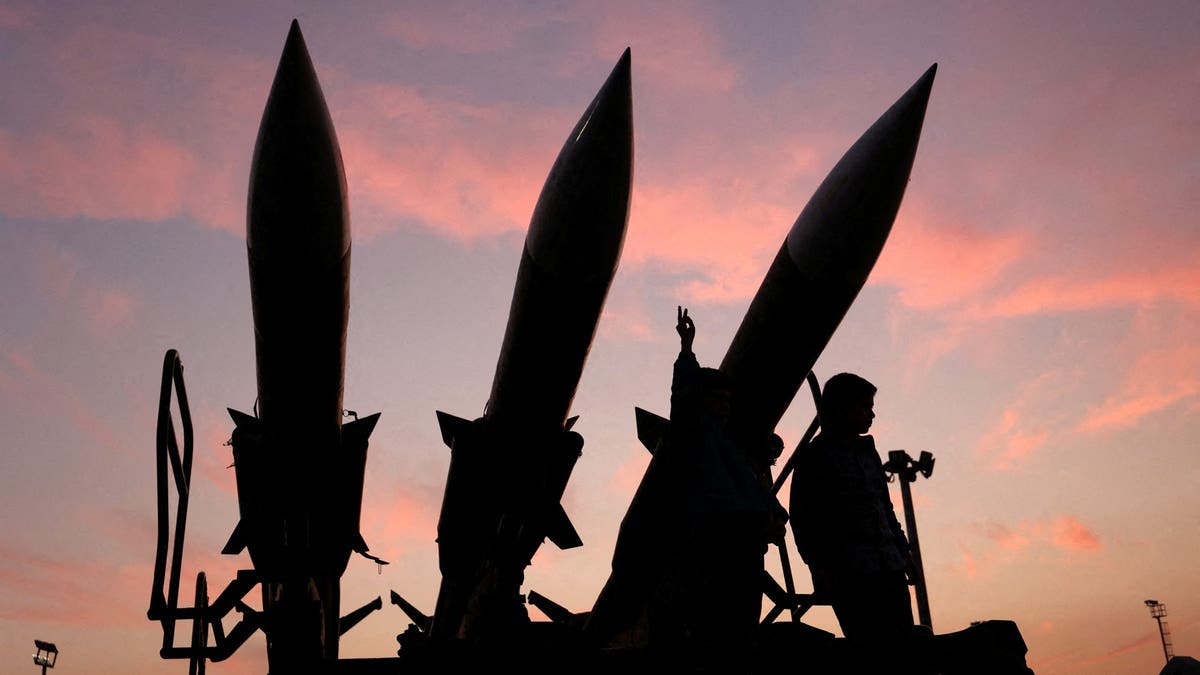
Iran has reportedly resumed production of ballistic missiles following the lifting of its self-imposed missile range limit. The removal of this restriction has raised concerns about the region’s stability as tensions escalate.
According to Brig. Gen. Hossein Mohebbi, spokesperson for the Islamic Revolutionary Guard Corps (IRGC), Iran lifted the 2,000-kilometer missile range restriction. This decision comes shortly after the U.S. launched a task force to curb Tehran’s weapon shipments and illicit trade. The task force, named “Task Force Iron Gate,” aims to control the movement of advanced Iranian weapons systems and associated materials.
Adm. Brad Cooper, commander of U.S. Central Command, highlighted the importance of this initiative. He stated that collaborating with U.S. interagency partners would constrain Iran’s ability to finance terrorism, rebuild weapons factories, and replenish their military.
Meanwhile, former Navy SEAL Jack Carr noted the threat posed by Houthis, who could disrupt major shipping chokepoints near the Red Sea. He emphasized that Iran’s ballistic missile production, in conjunction with Chinese satellite intelligence, could have consequences for global security.
Iran’s announcement claimed new weapons ready for deployment against potential confrontations with the U.S. and Israel. Mohebbi warned of “surprises” that could deliver significant impacts if new conflicts arise.
The previous range limit of Iran’s missiles already covered regions such as the Arabian Peninsula and parts of southern Europe. Iran’s plans include unveiling new “missile cities” that shield its arsenal from future attacks, emphasizing a commitment to domestic weapons production.
Behnam Taleblu from the Foundation for Defense of Democracies highlighted the strategic importance of the Caspian Sea for both Iran and Russia. He warned that the region has become a hub for bypassing sanctions.
Pressure from Washington has increased, impacting Iran’s trade routes. The U.S. Treasury has pressured Iraq to close border crossings with Iran, limiting trade that could help Tehran resist sanctions. However, Iraq’s response has been limited, affected by Iranian-backed political influence.
Iranian officials claim self-sufficiency in military industries yet face challenges in rebuilding their arsenal due to external constraints.