Importance of Setting Boundaries in Massage Therapy
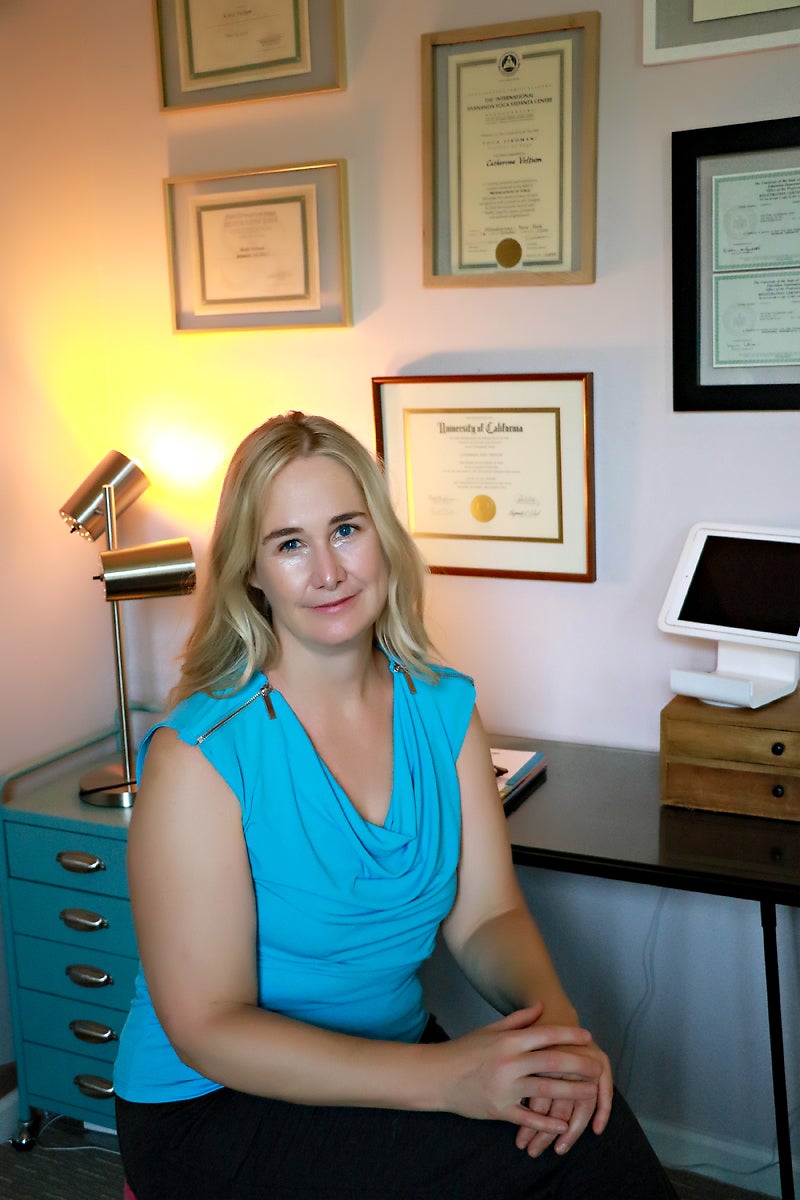
Practicing massage therapy for nearly 30 years has shown me the vital role of touch. Social affective touch, like that of massage therapy, reduces feelings of social isolation. In today’s disconnected society, this kind of touch proves essential. I’ve observed how tension in bodies softens during sessions, pointing the way to mental peace and comfort.
Massage therapy not only soothes my clients but also brings solace to me. In my early twenties, dealing with the grief of losing my mother, massage sessions provided much-needed refuge. Beyond what talk therapy offered, massage delivered comfort to the parts of me clinging to memories with my mom.
Skilled massage professionals help clients build interoceptive skills. Dr. Cynthia Price from the University of Washington, with whom I’ve trained, shows that improved interoceptive skills enhance well-being and emotional regulation. Men particularly benefit from this work, yet for the past year, I’ve refused new male clients.
I respect sex workers and the services they provide; however, my practice is different. Misunderstandings about therapeutic touch, alongside misuse of the term “massage” by businesses offering sexual services, lead some men to confuse massage with sex work. Jokes about “happy endings” underestimate the therapeutic value of legitimate massage therapy.
An incident at a spa highlighted the risks I face. A man requested an abdominal massage, and despite maintaining boundaries, he ejaculated. The experience left me shocked and violated, as I unwittingly participated in his nonconsensual act. This problem isn’t unique. Many female therapists encounter similar situations.
Afterward, I felt uneasy working with male clients in unsupervised spa settings. Despite efforts to screen men in private practice, uncertainty lingered. I evaluated their inquiries but found no reliable way to discern intentions. My screening boundaries fluctuated, influenced by personal feelings of security and financial need. This inconsistency added stress, undermining therapeutic benefits.
Advised by my therapist, I decided to focus solely on women, despite initial resistance. Concerns about fairness and financial impact were outweighed by relief and security. Excluding male clients reduced anxiety about safety and inappropriate behavior. I now work in an environment where I feel protected.
A new client recently shared on her intake form that the female-focused practice made her feel safe and supported. By excluding men, I safeguard my well-being and enhance my service quality to women clients. Though I may lose potential clients, this choice was necessary for my healing.