Understanding Pet Insurance: Coverage, Costs, and Considerations
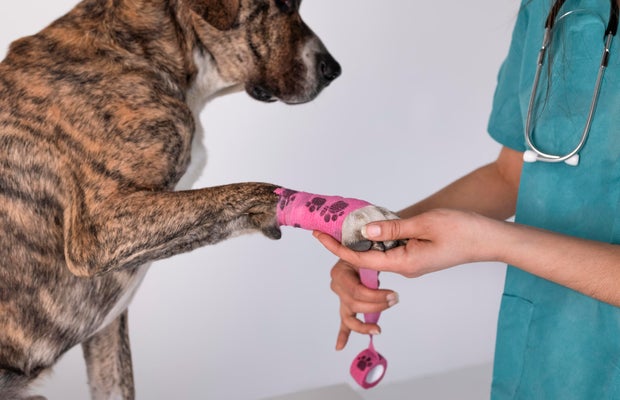
Pet insurance can help manage the rising costs of veterinary services. In recent years, veterinary expenses increased faster than inflation, as noted by the American Veterinary Medical Association (AVMA). This type of insurance can alleviate some of those costs, much like health insurance does for humans.
According to the North American Pet Health Insurance Association (NAPHIA), approximately 7.6 million pets have insurance coverage in North America. However, is this insurance option truly beneficial for your pet? Here, we explore pet insurance coverage, its functionality, and the associated costs.
What is Pet Insurance and How Does it Work?
Pet insurance helps cover the costs of specific veterinary services, potentially including diagnostics, X-rays, treatments for illnesses, prescriptions, and more. Coverage details depend on the provider and policy.
Typically, pet insurance operates on a reimbursement basis. You initially pay for services, then the insurer reimburses you later. These policies often include deductibles and maximum payout caps, similar to human health insurance. Notably, you can usually choose any veterinarian, unrestricted by network limitations common in human health plans.
What Pet Insurance Covers
Coverage varies with the policy chosen. Options often include accident-only, accident-plus-illness, and wellness coverage. Some insurers offer customizable plans. Below are general coverage details:
- Accident-only: Covers injuries like broken bones, animal bites, swallowed objects, torn nails, poisoning, ingestion of toxins, and injuries from accidents.
- Accident + Illness: Includes everything in accident coverage, plus allergies, cancer, diabetes, arthritis, skin and ear infections, and heart diseases.
- Wellness: Covers routine/annual vet visits, vaccines, teeth cleaning, spay/neuter, heartworm prevention, deworming, fleas, and tick protection.
You may also choose additional coverages such as physical rehabilitation, acupuncture, chiropractic services, or exam fee coverage.
What Pet Insurance Doesn’t Cover
Most policies have exclusions. These can include:
- Bilateral conditions
- Dental care unrelated to accidents or injuries
- Behavioral modification or training
- Parasite control without a wellness plan
- Elective or cosmetic procedures
- Preventative care unless covered under a plan
- Special food, breeding services
- Alternative or holistic treatments
- Boarding and grooming services
Pre-existing conditions are often excluded, and waiting periods may apply before coverage begins.
How Much Does Pet Insurance Cost?
Pet insurance costs vary based on your pet’s species, breed, size, and location, as well as the specific plan and insurer. The payments might be monthly or annual. Here are average annual premiums as reported by NAPHIA:
- Cats:
Accident-only coverage: $112
Accident + illness coverage: $435
Accident, illness, and wellness coverage: $859 - Dogs:
Accident-only coverage: $190
Accident + illness coverage: $836
Accident, illness, and wellness coverage: $1,414
Is Pet Insurance Worth It?
Pet insurance might be a viable option for some pet owners, depending on their financial situation, local veterinary costs, and the pet’s health. If your pet is prone to accidents or illnesses, or if you lack funds to cover unexpected vet bills, insurance could be beneficial.
The AVMA suggests discussing insurance options with your veterinarian to assess its suitability. If insurance is advised, compare different plans, as costs and coverage can vastly differ between providers.