AI and Social Media: The Growing Threat of Personalized Phishing Scams
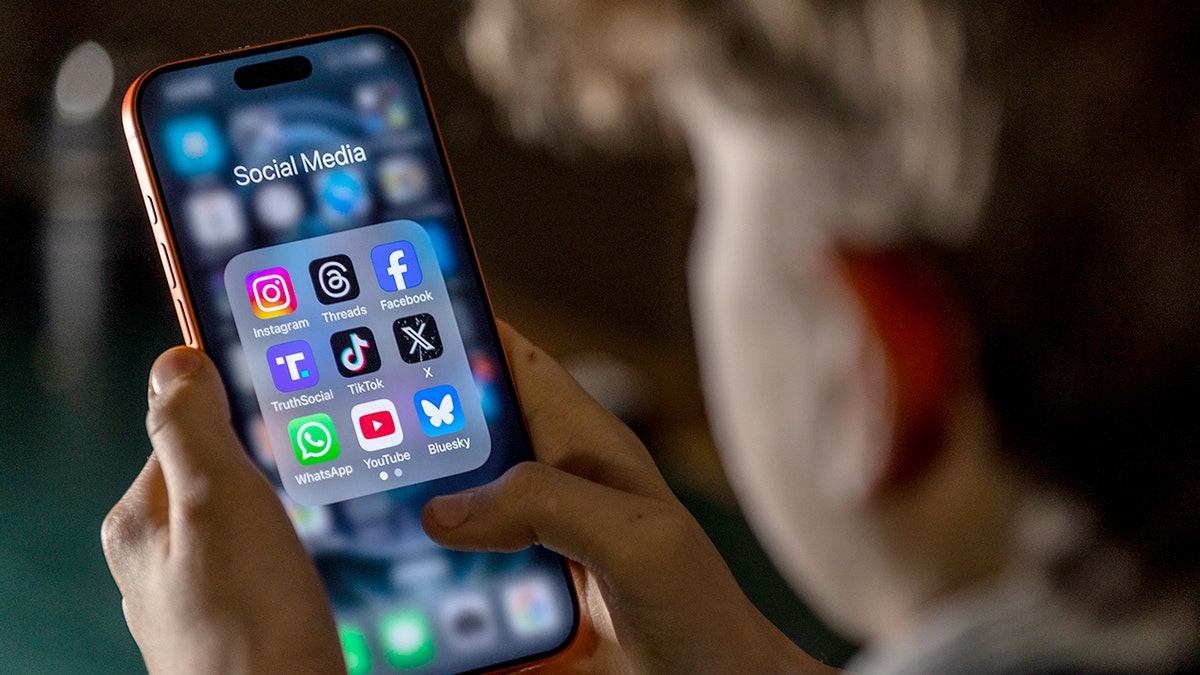
Researchers from the University of Texas at Arlington have raised alarms about the potential for AI to create personalized phishing scams. By studying public social media accounts, AI tools can now craft highly convincing phishing emails that reference personal details, such as recent activities or interests. This research highlights how scammers might easily exploit this capability.
How AI Exploits Social Media for Targeted Phishing
Phishing emails have traditionally relied on generic, suspicious-looking prompts. However, AI grants scammers a more tailored approach. By analyzing social media content, AI-driven tools can create emails that align with an individual’s recent experiences. For example, a recent vacation post might lead to a fake email from a hotel offering a discount, using the individual’s shared information to appear legitimate.
Associate Professor Shirin Nilizadeh from UTA’s Department of Computer Science and Engineering emphasized the seriousness of this threat, pointing out that anyone with access to these tools can become an attacker. Public posts furnish much of the information necessary to craft these targeted scams.
Research Findings: AI’s Risk and Potential
The research team, including graduate student Elham Pourabbas Vafa and researcher Sayak Saha Roy, scrutinized 200 public Instagram accounts to demonstrate how AI-generated emails can exploit personal details. They found that even a handful of posts could suffice for generating convincing phishing emails. In tests with AI-created and real phishing emails, participants frequently rated AI versions as more plausible.
Although the study did not measure actual click rates on these emails, it did underscore potential vulnerabilities. AI’s ability to generate polished and professional-sounding communications could make traditional warning signs, like poor grammar, less effective.
Improving AI Safety and User Awareness
The research identified weaknesses in existing AI safety filters, such as Llama Guard and WildGuard. Even though default settings caught few phishing attempts, enhanced recognition strategies in a controlled setting showed promising detection rates as high as 99%.
Shirin Nilizadeh urges AI companies to strengthen their safeguards against socially engineered attacks. Meanwhile, users can take steps to protect themselves by enhancing their social media privacy and being more discerning about unexpected emails.
Protect Yourself from AI-Driven Phishing Attempts
- Privacy Settings: Regularly update your social media privacy settings to limit who can see your posts.
- Location Sharing: Refrain from posting real-time location updates, especially during travel.
- Email Verification: Validate unexpected email offers by contacting companies through verified channels.
- Antivirus Software: Utilize robust antivirus programs to defend against potential threats.
- Data Removal Services: Consider services that help remove your personal information from the web.
- Password Security: Employ strong, unique passwords along with multifactor authentication.
- Regular Updates: Keep your devices and security software current to fend off vulnerabilities.
In case of clicking a suspicious link, stop interacting with the website and perform a security scan immediately. Change compromised passwords and monitor your account activities closely.
Kurt ‘CyberGuy’ Knutsson emphasizes the need for increased skepticism towards unusually timed emails with personal references, suggesting a more cautious approach to public sharing online.