U.S. Boycotts U.N. Human Rights Review for Second Year
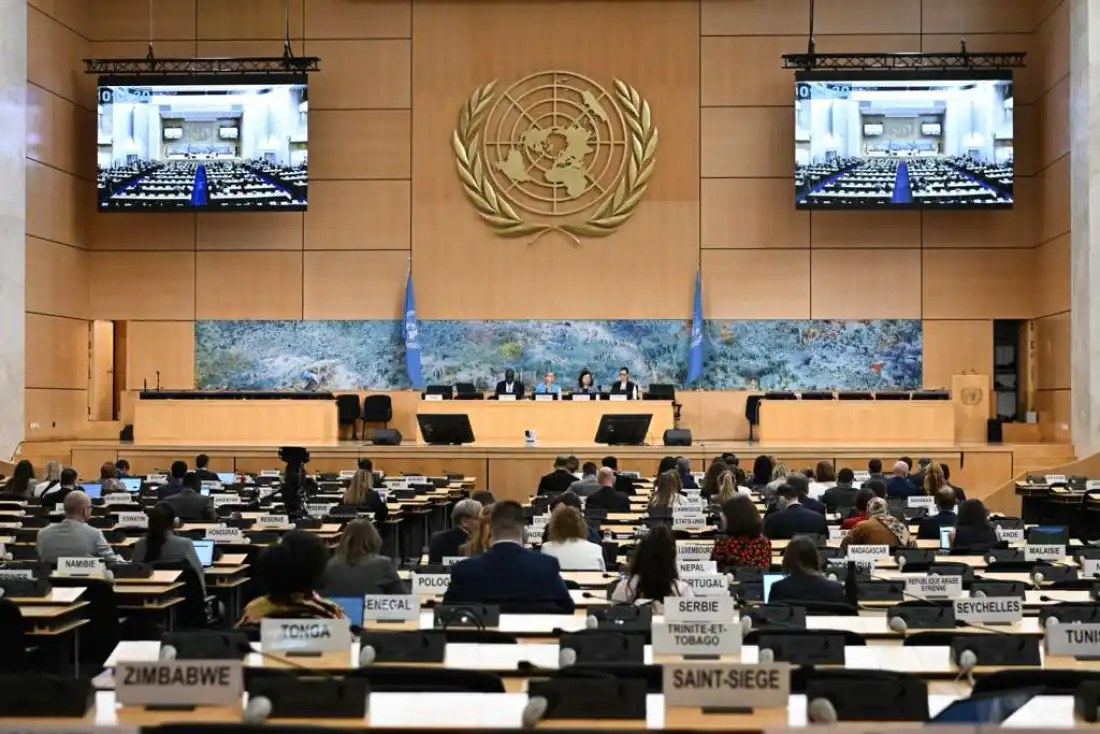
The U.N. Human Rights Council convened at the Palais des Nations in Geneva on September 30, 2026. Once again, the United States was absent from its universal periodic review, marking a second consecutive year of boycott. This situation is unprecedented, as no other U.N. member state has failed to attend more than once.
The universal periodic review serves the purpose of evaluating the human rights records of all member states every four to five years. This procedure involves peer reviews, allowing civil society groups to submit evidence. One such group, the American Civil Liberties Union (ACLU), attended the Geneva meeting. Jamil Dakwar, the human rights director of the ACLU, accused the U.S. administration of continuous human rights violations, specifically against immigrants, student protesters, and the LGBTQ community. Dakwar urged the U.N. to hold the U.S. accountable, stating that the administration sought to dismantle human rights.
The U.S. State Department responded in writing, reminding that Washington had withdrawn from the U.N. Human Rights Council previously, citing its anti-American stance. Despite this withdrawal, participation in the review process remains mandatory for all 193 member states. Human rights organizations view the U.S.’s actions as part of a broader disengagement from international organizations. This is evident in U.S. sanctions on the International Criminal Court and the departure from the World Health Organization.
The U.N. has limited options to penalize countries that do not participate in the review. Israel once missed a review in 2013 due to perceived bias but returned nine months later. No other country, until now, has completely opted out twice. Advocacy groups urge the U.N. to continue the review without U.S. involvement and take evidence regarding alleged violations. Member states had prepared questions for the U.S., including topics like the death penalty and abortion restrictions. However, some U.N. officials worry that conducting the review without U.S. participation could set a dangerous precedent, potentially encouraging other nations to skip reviews.
For now, the U.N. has delayed any decision on how to proceed until early next year. This postponement affects U.S. citizens, as they temporarily lose access to a vital avenue for addressing human rights issues. As a rights activist in Geneva described it, this situation represents “a crisis of accountability.”