U.N.’s Decision on Iran’s Committee Position Stirs Debate
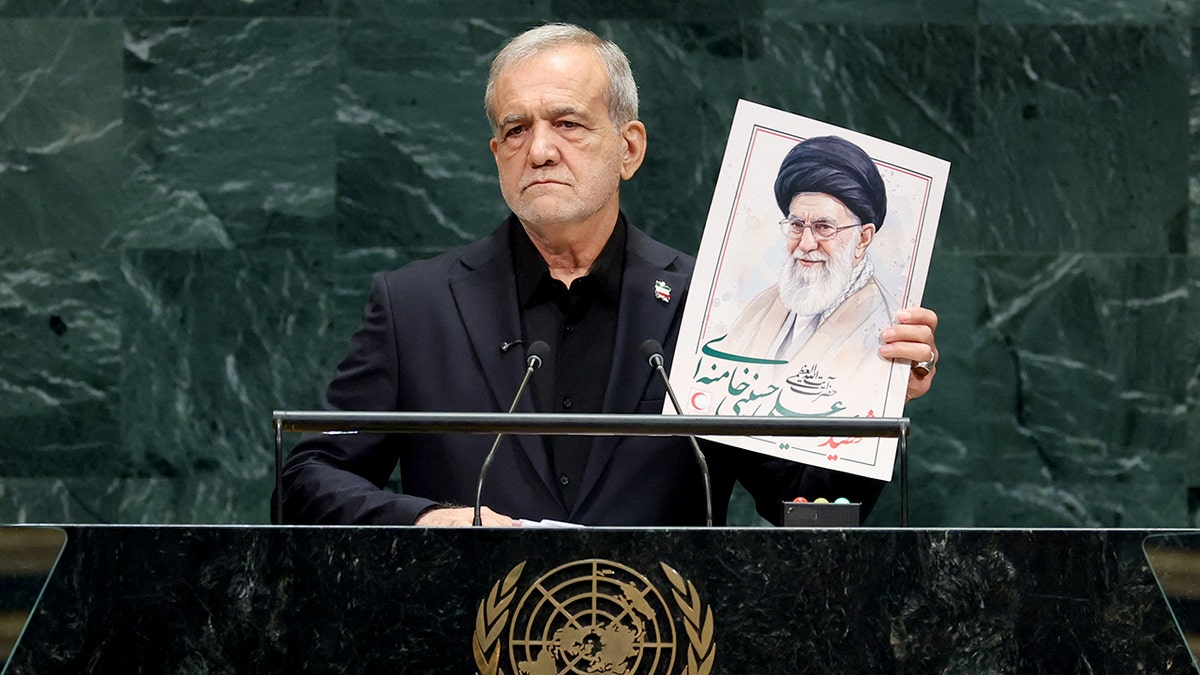
The United Nations recently reaffirmed Iran’s position on the Committee for Programme and Coordination. This move has caused controversy among member states who challenge Iran’s suitability given its history of aggression. The committee’s focus includes reviewing human rights, women’s rights, and counterterrorism efforts.
Hillel Neuer, executive director of UN Watch, expressed concern over Iran’s ongoing membership. He suggested that it provides Iran with a propaganda advantage, sending mixed signals about its international standing. Neuer critiqued the United Nations for at times supporting what he views as dictatorial regimes.
The U.N. spends significant time criticizing democracies like the U.S. and Israel. Every year, America faces condemnation over the Cuban embargo. Last year saw just one resolution against Iran, North Korea, and Myanmar, yet 15 against Israel. Hamas and jihad went unmentioned.
Iran’s reappointment came with backing from 144 General Assembly ballots. The Committee for Programme and Coordination comprises 34 elected member states, each serving three-year terms. Though not among the U.N.’s primary committees, it recommends plans and priorities.
The re-election incited backlash in the U.S. The House Foreign Affairs Committee described Iran as a major terrorism sponsor, unfit for a body prioritizing disarmament and women’s rights:
The United Nations is morally bankrupt. It’s difficult to take it seriously.
Canada’s Foreign Minister Anita Anand also criticized the decision, stressing Iran’s inclusion contradicts the UN Charter principles and supports Iran’s oppressive regime. Australia aligned with this view, opposing Iran’s re-election due to its human rights record and regional destabilization.
Neuer suggested that non-Western countries are equally attentive to the U.N.’s handling of Iran. He noted how international actions, or the lack thereof, influence perceptions:
It’s like how Putin reacted when Obama warned Syria over chemical weapons. A lack of response can embolden aggressors. Governments constantly gauge the international climate for potential reactions.
Neuer also remarked on differing global attitudes toward the United Nations. While skepticism exists in the U.S., other countries often view the organization as an indicator of international consensus.
The U.N. is seen globally as validating international norms. For many, it’s a measure of international legitimacy, less so in the U.S.
Leo Briceno, a politics reporter at Fox News Digital, contributed to this report. Previously with World Magazine, Briceno covers political developments for Fox News.