North Korean Hackers Exploit Fake Video Calls to Steal Millions in Cryptocurrency
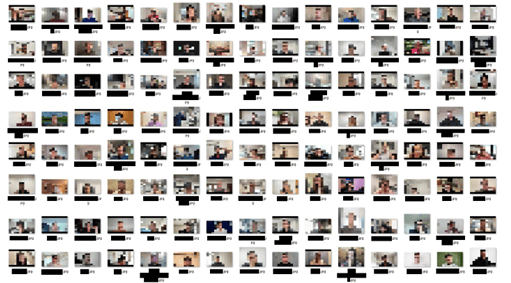
The FBI has revealed a concerning scam where North Korean hackers have stolen over $400 million in cryptocurrency. The hackers deceive victims by impersonating friends and colleagues in fake video calls. They use hijacked messaging accounts, secretly record webcam footage, and trick contacts into installing malicious software.
The hackers have developed convincing copies of popular video conferencing platforms like Zoom, Microsoft Teams, and Google Meet. To gain access to victims’ computers, they simulate technical glitches and utilize familiar faces.
On Thursday, the FBI discussed the operation, known as “FaceStealer,” which has resulted in significant financial losses over the past 18 months. Authorities have seized computer infrastructure linked to the scheme and collected more than 900 recordings of victims.
How Does FaceStealer Work?
The FBI detailed six stages of this scam. Each victim potentially leads the hackers to more targets.
Stage 1: Compromising the First Victim
Hackers start by targeting a compromised computer. They search for cryptocurrency wallets and passwords, access contacts and messages, and secretly record webcam footage during video call preparations.
Stage 2: Hijacking Messaging Accounts
They take control of accounts on platforms like Telegram, LinkedIn, Slack, and Discord. Posing as the account holder, they arrange video calls, suggesting discussions related to projects or investments. They use past messages to make the invitations believable.
Stage 3: Setting Up Fake Video Calls
Using legitimate scheduling services, they arrange meetings. The target receives a link that appears to be from Zoom or Teams, leading to a fake site controlled by hackers.
Stage 4: Playing Secretly Recorded Footage
Targets see what seems to be a familiar contact on camera. In reality, the hackers play recordings captured from earlier attacks. Several recordings might be played to imitate multiple attendees.
Stage 5: Tricking Victims Into Installing Malware
Hackers create technical issues, like pretending the target’s microphone is faulty. Acting as a trusted contact, they persuade the target to download an update or run code, which installs malware to steal data and record activity.
Stage 6: Repeating the Attack
With new access, hackers continue by compromising accounts and contacts. They may delay thefts to wait for larger cryptocurrency wallet balances before stealing funds.
Deepfake videos have also been employed. Hackers create AI-generated versions of well-known cryptocurrency figures. Yet, the scam mainly relies on genuine webcam footage from previous victims. Authorities have seized over 900 recordings used in FaceStealer.
Wider Impact and the FBI’s Actions
Developers of widely-used software were also targeted. An incident involved tricking a developer into a fake Teams meeting, leading to the creation of malicious software components. Fortunately, the threat was detected before causing widespread harm.
The Justice Department announced asset seizures linked to the FaceStealer operation. The FBI attributes the scheme to North Korean state-sponsored hackers known by names like Sapphire Sleet, BlueNoroff, and Stardust Chollima. Officials assert that North Korea funds its weapons program through cryptocurrency theft.
Precautionary Measures and Reporting
The FBI advises caution regarding unexpected video invites, especially when prompted to install software or run commands. They recommend using official applications and verifying meeting invitations by alternative means.
If you suspect a compromise, secure your accounts, change passwords, and alert your contacts. Move cryptocurrency to a new wallet on an unaffected device. Report suspicious FaceStealer activity to the FBI at IC3.gov using “FaceStealer.”
For editorial inquiries, contact Newsweek editors Rebecca Flood and Emma Lee-Sang regarding this story.