Vernon’s Approach to Data Centers Faces Scrutiny Amid Growing Concerns
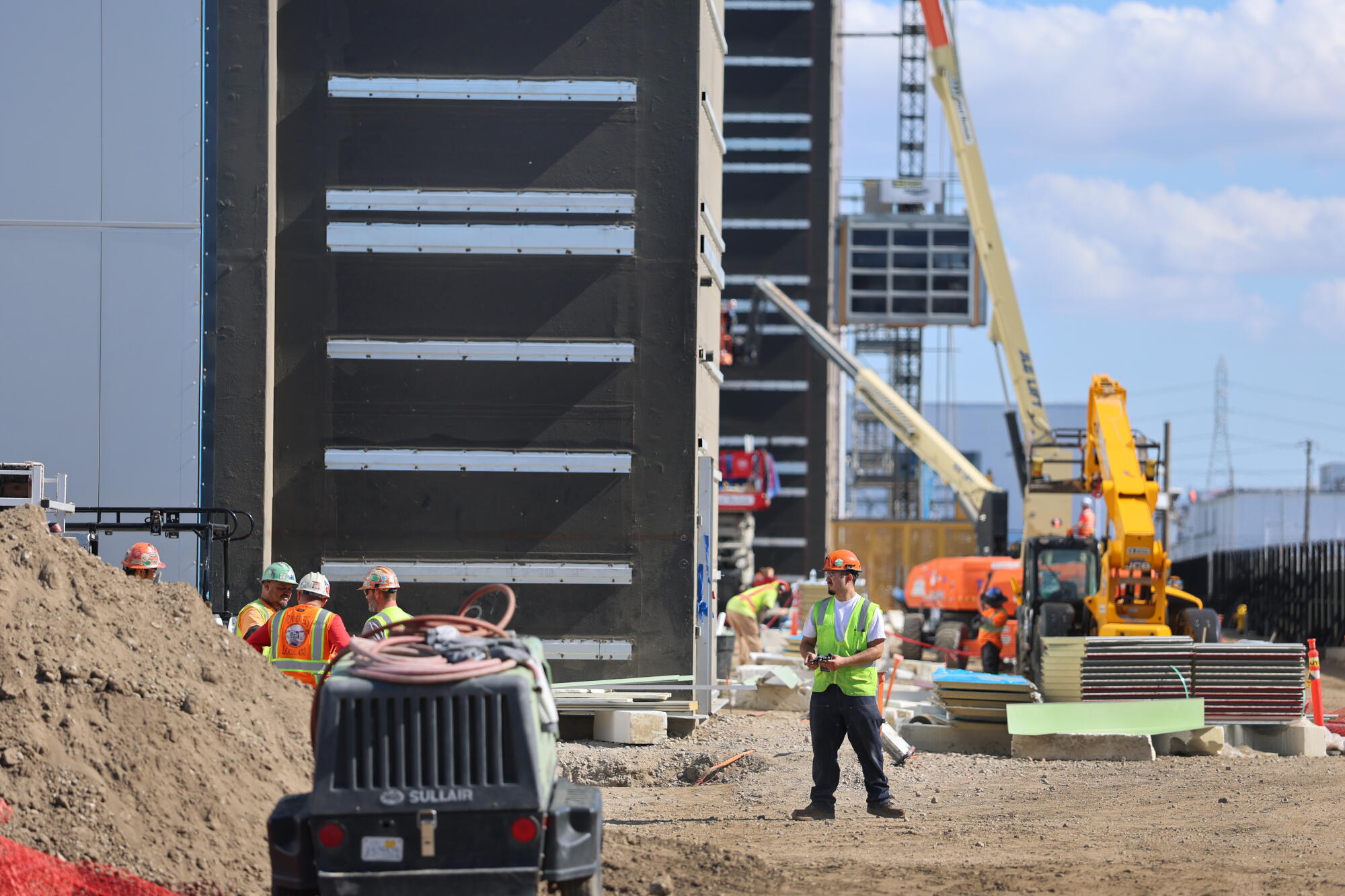
Data centers in the greater Los Angeles area are predominantly being developed in Vernon. This city, located just south of downtown L.A., is notable for its industrial makeup, with a daily influx of 50,000 commuters and only around 300 residents. Vernon’s government has historically welcomed heavy industry, setting it apart from surrounding areas that have imposed moratoriums on such developments.
Currently, Vernon hosts an active data center and has five more in progress. However, even here, opposition is emerging. The city council has begun considering zoning changes that would require environmental reviews for new data centers. Mayor Pro Tem Jesus Rivera highlighted the need for regulations during a recent meeting.
“We definitely need some regulations for the data centers,”Vernon Mayor Pro Tem Jesus Rivera stated at a council meeting.
This shift started last December when Vernon’s public utility halted new data center grid connection requests. Concerns over power usage, water demands, emissions, and noise have been voiced by both community members and city staff. The Vernon Chamber of Commerce President, Marisa Olguin, emphasized the need for more education about these developments.
Data centers require consistent operation, leading to reliance on diesel generators for backup power. These emit pollutants like nitrogen oxide and carbon dioxide. The South Coast Air Quality Management District has already approved numerous diesel generators for Vernon’s data centers.
Surrounding communities, including Boyle Heights and Southeast L.A., have historically opposed pollution-intensive industries in Vernon. The Exide lead-battery recycling plant’s closure in 2015 is a prime example. Yet, residents within Vernon have been less vocal, often due to employment ties to the city or residence in city-owned housing.
The Los Angeles Unified School District, the nation’s second-largest, is actively opposing a data center project planned near Vernon City Elementary School. Demolition at the site is underway, and the district is urging Vernon to mandate a full environmental review, citing concerns over pollution and noise.
A UC Riverside report estimated that backup generators for data centers in California incurred a health cost of $33 million in 2023, a significant portion from the Los Angeles area.
Vernon City Elementary, serving K-6 special needs students, sits amidst industrial neighbors, reflecting the city’s commercial landscape. Prime Data Centers’ nearby facility, with 20 generators, exemplifies the scale of data operations in Vernon.
Development plans continue with several companies, including CoreSite Real Estate and Goodman Group, working on substantial projects in the area. One significant development, the Goodman Energy Park, seeks exceptions from standard energy regulations, which would increase diesel generator presence significantly.
Voices within and outside the city are urging changes. Vanessa Vasquez, a volunteer lawyer with Communities for a Better Environment, criticized the current approval process for failing to safeguard public health.
Vernon’s City Council will hold a public hearing on November 17 to debate environmental review requirements for future data centers. A vote on the decision is expected by December 15. The council’s stance could defy recommendations from its own Business and Industry Commission, which has mixed opinions on the matter.
Industry professionals, like Miles Solomon, propose that Vernon could become a hub for data centers, similar to Loudoun County, Virginia, if a new tax system is introduced over permitting hurdles. Conversely, figures like Brian Baley advocate for tighter control over local development through revised zoning policies.