Archaeological Discoveries Beneath Istanbul’s Hagia Sophia
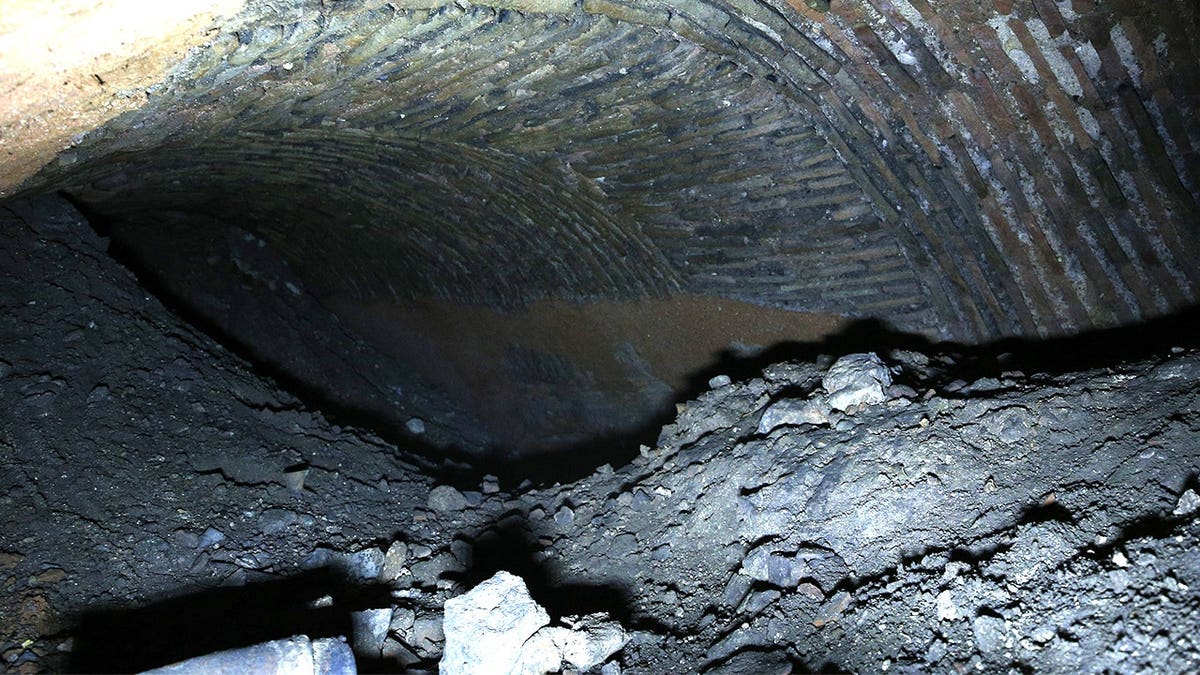
Archaeologists have removed approximately 3,000 tons of debris from a network of underground tunnels beneath Istanbul’s Hagia Sophia. These excavations have revealed passages that were previously inaccessible, offering insight into one of the world’s oldest religious landmarks. The findings were presented by archaeologist Hasan Fırat Diker in Istanbul this fall, as reported by Türkiye Today.
Excavation efforts began in February 2025, allowing researchers to explore sections that had been buried under mud and debris. During a presentation on October 16, Diker explained that the tunnels, about 1,600 years old, were constructed by the Romans. They functioned as part of the city’s water distribution and drainage system while also providing protected underground spaces. Some of these structures predate the current Hagia Sophia, completed in 537 A.D. under Byzantine Emperor Justinian I.
Despite knowing about the underground network for decades, accessing much of it has been challenging. Ongoing excavation work is permitting researchers to examine parts of the historic site that were previously buried. Diker’s research describes the network as intricate and likens it to a modern subway system.
The tunnels were intended to channel rainwater from surrounding streets to the sea. Researchers have cleared nearly 558 feet of an underground route linked to a fifth-century Roman street, stretching from the Sarayburnu area toward Little Hagia Sophia.
Significantly, the site is part of a UNESCO World Heritage Site and draws millions of tourists each year. Diker noted that the landmark is the third structure built at the site. He and his team have cleared both upper and lower sections of an underground burial complex discovered in 1946, excavating an additional five feet beneath it. These chambers, predating the current Hagia Sophia, had accumulated large volumes of mud over time.
Looking forward, Diker anticipates opening more sections of Hagia Sophia’s underground network to visitors and plans an exhibition to showcase the archaeological remains.
Hagia Sophia, which means “Holy Wisdom” in Greek, served as a significant center of Eastern Christianity for nearly a millennium. After Ottoman forces conquered Constantinople in 1453, they converted the church into a mosque. In 1935, it became a museum, then resumed its status as a mosque in 2020.
This excavation is part of a series of archaeological projects exploring ancient underground tunnels globally. For instance, in Jerusalem, archaeologists discovered a 164-foot-long tunnel near a site linked to the biblical Kingdom of Judah. Additionally, in Germany, a medieval tunnel was found beneath a prehistoric burial site.