The Risks of Nighttime Light Exposure and Heart Health
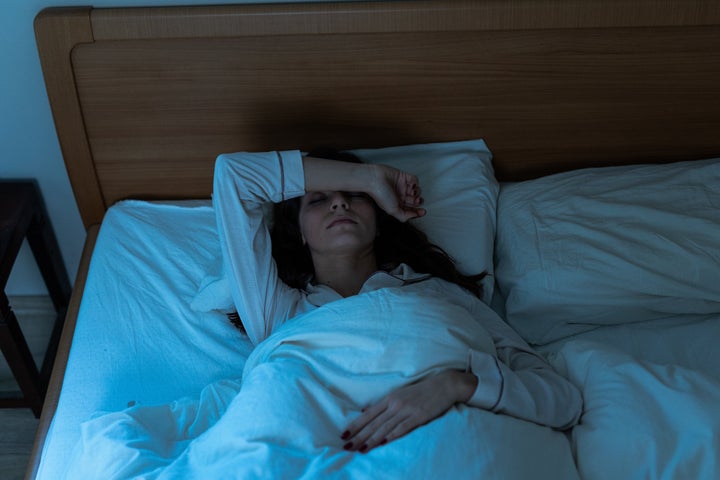
Consider using blackout curtains and turning off your phone before bed. Exposure to light during nighttime may pose health risks. A study published in JAMA Network Open links artificial light at night to higher rates of cardiovascular disease. The study identified increased risks of heart failure, coronary artery disease, atrial fibrillation, myocardial infarction (heart attack), and stroke.
Researchers monitored 88,905 adults over 40 using wrist sensors to measure nighttime light exposure from 12:30 a.m. to 6 a.m. Participants were categorized based on their exposure levels. Over 9.5 years, researchers adjusted for known cardiovascular risk factors such as smoking, physical activity, shift work, and socioeconomic status.
Results showed that participants with high nighttime light exposure had worse health outcomes. They faced a 56% higher risk of heart failure, up to a 56% higher risk of heart attack, and up to a 30% greater chance of stroke compared to those with low light exposure.
Impact on Circadian Rhythm
The main concern is its effect on the circadian rhythm, the body’s 24-hour sleep-wake cycle. Dr. Jeremy Slivnick from UChicago Medicine, not involved in the study, emphasized the importance of a stable circadian rhythm for health. Disruption can lead to cardiovascular issues.
Exposure to light at night can mislead the brain into thinking it’s daytime, disrupting normal sleep patterns, noted Dr. Ehimen Aneni from Yale School of Medicine, who was also not involved in the study. Maintaining good sleep quality, which is not solely about duration, is crucial.
Adequate sleep acts as a recharge mechanism, said Slivnick. Insufficient sleep increases stress and anxiety, impacting the heart over time and raising cardiovascular risks. Chronic stress can lead to conditions like high blood pressure, increasing cardiovascular disease risk.
Differences Among Populations
The study also found that women are more sensitive to light-related circadian disruptions. This aligns with previous research indicating higher heart failure rates in women doing overnight shift work compared to men.
Study Limitations
There are study limitations. The exact light source was not identified, and the cohort lacked diversity, with 97% being white.
Recommendations for Better Sleep and Heart Health
“We have a population that does not really sleep as well as they should, and does not value sleep as much,” Aneni said.
Practicing good sleep hygiene, such as reducing nighttime light exposure, can improve sleep quality. While more research is needed on how nighttime light affects cardiovascular health, reducing exposure minimizes heart disease risk.
Adults should aim for seven to nine hours of sleep, maintaining consistent sleep and wake times. Enhancing sleep health correlates to overall well-being and lowers cardiovascular risk.
Besides managing light exposure, Slivnick advocates the American Heart Association’s Life Essential 8 guidelines for heart health:
- Eating a diet rich in vegetables, lean protein, fruit, nuts, and seeds.
- Engaging in at least 120 minutes of moderate exercise or 75 minutes of vigorous exercise weekly.
- Quitting smoking.
- Sleeping seven to nine hours nightly.
- Managing weight, cholesterol, blood sugar, and blood pressure.
By following these guidelines, individuals can significantly reduce their risk of cardiovascular disease.