Understanding Banana Ripeness and Its Nutritional Impact
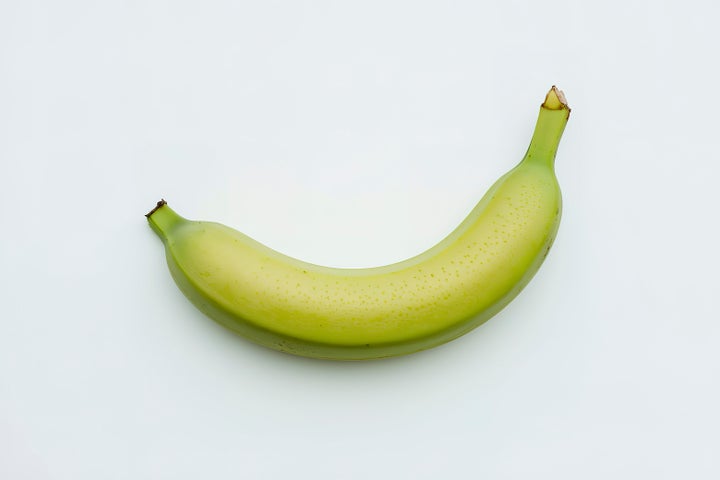
Bananas offer varying nutritional effects on your health based on their ripeness level. As bananas ripen, changes occur in their sugar, starch, and vitamin content. This variability can be crucial for those managing their sugar intake or requiring specific energy levels.
Underripe Bananas
Underripe bananas are firm and green, providing high resistant starch and low sugar content. They can help you feel full for a longer time. According to registered dietitian Avery Zenker, resistant starch benefits include feeding healthy gut bacteria, reducing inflammation, and stabilizing blood sugar levels. It’s also digested slowly, prolonging satiety.
Resistant starch acts similarly to fiber, fermenting in the gut and contributing to blood sugar control, says Amanda Sauceda, a nutrition lecturer at California State University, Long Beach. This ripeness level is ideal for those managing blood glucose levels, including individuals with prediabetes, Type 2 diabetes, or other metabolic conditions.
Pairing a green banana with peanut butter can increase its benefits, adding protein and healthy fats for better blood sugar response and gut health. However, athletes might avoid this ripeness due to potential stomach heaviness caused by slow digestion. Some may experience gastrointestinal discomfort from resistant starch.
Barely Ripe Bananas
Barely ripe bananas retain a slight green hue near the ends. These bananas are mostly yellow, slighty softer, yet still firm. The resistant starch is converting into simple sugars, explains Zenker, with stable mineral levels like potassium and magnesium.
This stage offers digestive benefits similar to underripe bananas without the chalky taste, recommended for those needing consistent energy throughout the day and minimal blood sugar impact. It suits people with insulin resistance, diabetes, metabolic syndrome, and digestive issues. Zenker also suggests they may benefit peri- or post-menopausal women due to the resistant starch aiding insulin resistance and gut health amid hormonal shifts.
Ripe Bananas
Fully ripe bananas exhibit complete yellow hues with no green areas, becoming soft and fragrant. Though slight differences exist from barely ripe bananas, both have similar nutritional profiles according to Sauceda.
Ripe bananas see a conversion of starches into natural sugars, with decreased fiber and increased sugar and antioxidant content. They peak in vitamins and minerals. Zenker recommends ripe bananas for pre-workout energy or quick nutrient boosts. With notable potassium and magnesium content, ripe bananas aid blood pressure, muscle contraction, and bone health.
Very Ripe Bananas
With brown spots and a strong aroma, very ripe bananas have high sugar content and diminishing fiber, notes Zenker. They provide swift energy and may suit those with sensitive digestion, low appetite, or seeking sweet treats. Nevertheless, individuals managing blood sugar levels might avoid these for their sugar content.
Overripe Bananas
Overripe bananas appear brown or black, often mushy. Despite a drop in vitamin C, they maintain high sugar and antioxidant levels and stable potassium. Zenker suggests using them for baking or smoothies due to their gentle digestion and energy-providing traits, though they’re less ideal for those needing fiber or nutrient density.
The choice of banana ripeness can align with one’s health goals rather than preferences. Yet, any banana stage offers nutritional benefits. As Sauceda concludes, bananas are nutritious fruits, whether consumed green or ripe.