Do Nutritionists Agree McDonald’s Is OK for Kids?
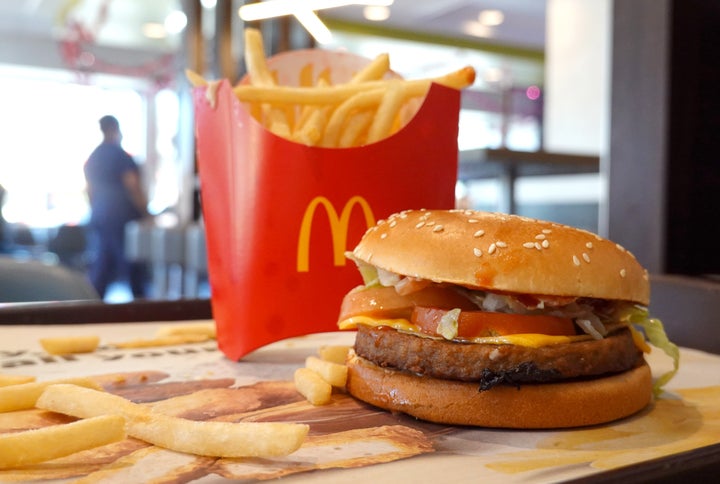
Jessica Biel once remarked that her children “don’t get McDonald’s,” preferring to provide them with “something fancy.” Her sentiment raises a question many parents face: Is McDonald’s a suitable meal option for kids?
Parents often worry that allowing fast food might reflect poorly on them or harm their children’s health. However, nutritionists suggest this issue is more nuanced than it appears. Several experts shared their views on whether and when they let their kids eat McDonald’s.
Occasional Fast Food Can Fit into a Healthy Diet
Rachel Trotta, a fitness nutrition specialist, emphasizes shaping positive eating attitudes without strict rules. Her household focuses on whole foods and home-cooked meals. Still, she doesn’t completely reject fast food. By occasionally allowing it, she aims to prevent it from becoming a forbidden allure. Her daughter grows up understanding moderation and listening to her body’s hunger cues.
Julia Cassidy, an eating disorder specialist, sees food simply as food. For her, infrequent visits to McDonald’s can be about convenience, enjoyment, or family traditions. This flexible approach, without judgment, supports a balanced view of food, reducing guilt and promoting healthy eating habits.
Reserved for Special Occasions
Megan Wroe, a registered dietitian, believes in homemade meals but allows fast food for special events or hectic schedules. Similarly, Aliza Marogy, a nutritionist, doesn’t prohibit McDonald’s but reserves it for social occasions. Her family focuses on educational choices about nutrient-dense foods, sometimes opting for healthier homemade alternatives.
Marogy also values social eating experiences, which are important for children. She acknowledges that fast food can also be a necessity for some families due to economic or time constraints.
Occasional Indulgence with Balance
Heidi McIndoo, a Boston-based dietitian, allows occasional McDonald’s meals, emphasizing balance by choosing healthier options like milk and apple slices. This approach aligns with intuitive eating principles, fostering a healthy eating perspective.
McIndoo discusses with her kids how to meet remaining nutritional needs throughout the day, ensuring awareness and variety in their diet.
Flexible and Fun Meals
Sarah Schlichter, a dietitian and mom, highlights the importance of food flexibility. McDonald’s serves as a convenient option, offering opportunities for enjoyment and nutrition with added fruits or juices.
Nikki Fata, a nutritionist, supports food inclusivity, advocating that all foods, including McDonald’s, can contribute to a healthy diet. She notes their availability, affordability, and the enjoyment they bring, stressing against restrictive categorizations that may lead to disordered eating.
“Each person knows their needs best,” Fata states, emphasizing individual choice without imposing guilt or pressure on others.
Selective Allowance
While Kristi Ruth isn’t a McDonald’s fan, she allows her kids to go when they drive themselves or with others. Her kids often choose home meals anyway. Likewise, Yvette Hill permits her children to partake in McDonald’s occasionally during social events, emphasizing the importance of a balanced diet over full restriction.
Ultimately, many nutritionists agree that McDonald’s can be part of a healthy relationship with food, adapting to individual and family needs. By guiding children in informed food choices, parents can help ensure lifelong healthy patterns.