Florida’s Dengue Fever Outbreak and the Role of AI in Mosquito Surveillance
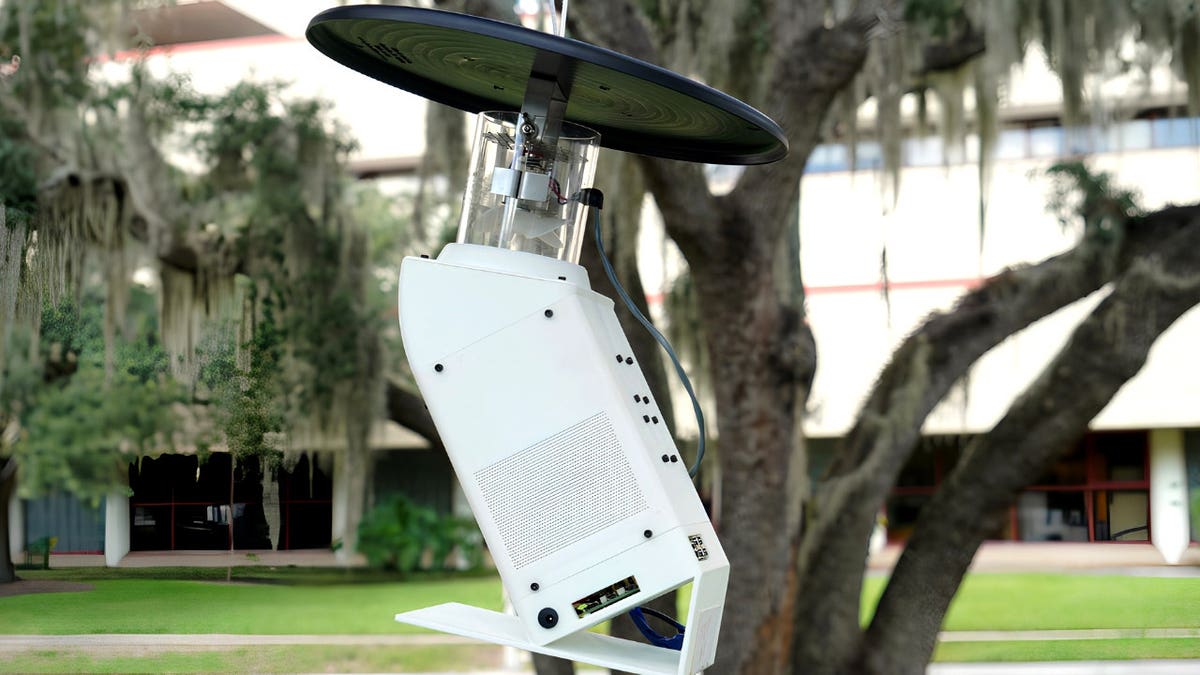
Florida is currently facing its largest dengue fever outbreak in decades, with more than 290 locally acquired cases reported. Former CDC Director Dr. Robert Redfield has discussed the potential risks of transmission along with necessary prevention measures. In response, Hillsborough County mosquito management teams are deploying aerial spraying to target the virus-carrying mosquitoes.
In much of the United States, cooler weather in November reduces mosquito activity. However, Florida’s warm climate allows mosquitoes to remain active and continue causing health issues. The University of South Florida has developed an AI-based mosquito trap to help health officials quickly identify dangerous mosquito species, boasting over 98% accuracy in laboratory tests. This timely innovation is crucial as dengue continues to spread in Florida.
According to the latest Florida Department of Health report, Hillsborough County alone has experienced 407 locally acquired dengue cases in 2026, marking its largest recorded outbreak. Across Florida, 524 cases have been identified through October 31, indicating that people contracted the virus locally rather than during international travel. The Tampa area has been particularly affected.
The AI-powered mosquito trap from Digitomy, developed by researchers at the University of South Florida, aims to assist mosquito control teams in identifying captured mosquito species quickly and efficiently. The technology uses built-in cameras and artificial intelligence to identify mosquito species, including those capable of spreading diseases. It can also determine the mosquito’s gender and feeding status, which is pertinent given that female mosquitoes are primarily responsible for transmitting diseases.
Traditional mosquito surveillance methods require several days as specialists examine caught specimens under a microscope. Digitomy’s goal is to expedite this process, allowing for same-day identification using cloud computing and AI. Rapid identification would enable mosquito control efforts to focus on high-risk areas, such as locations with increased sightings of Aedes aegypti mosquitoes, which are significant transmitters of dengue.
The system integrates trap data into the Global Mosquito Observations Dashboard, presenting a comprehensive view of mosquito activity when combined with citizen science reports. This updated information could improve response times to outbreaks, despite the system not yet being commercially available. Digitomy plans to license its AI technology to existing mosquito trap manufacturers, with hopes that this innovation will lead to smarter mosquito population management.
For personal protection, residents in mosquito-prone areas should empty standing water from outdoor containers, use EPA-registered insect repellents, and wear long clothing to prevent bites. Although general mosquito surveillance is not yet available to consumers, these preventive measures remain crucial during outbreaks.