The Impact and Unanswered Questions of the Iran Conflict
The financial burden of the Iran conflict is substantial. The Pentagon reports a cost of $47 billion. However, the human cost is greater, with more than 800 American service members wounded and 23 fatalities. A recent investigation provides a detailed account of the impact on U.S. military operations in the Middle East. Gold Star families, whose loved ones were lost in the first hours following an Iranian drone attack, share their stories.
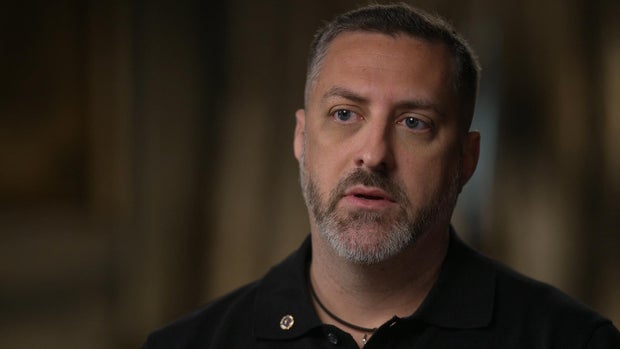
Joey Amor, whose wife Master Sgt. Nicole Amor was among the first Americans to perish, expresses concerns. He emphasizes the importance of trust for soldiers now deploying, wanting assurance that they will be safe. Nicole Amor served in the Army Reserve’s 103rd Sustainment Command, a unit valued by both Joey and his wife, though he criticizes its leadership.
An investigation into the early U.S. casualties in the war has been ongoing. The day after the attack, Secretary of Defense Pete Hegseth described the troops as well-protected, despite an Iranian drone breaching defenses and striking a fortified location. Concerns about Iranian attacks led to the repositioning of U.S. forces, but members of the 103rd found themselves moved closer to danger.
Concerns About Security and Protection
Port Shuaiba, an exposed army outpost 65 miles from Iran, housed 70 members of the 103rd. Described as vulnerable, it lacked adequate defense against aerial threats. Despite acknowledged risks, such as Iran’s drone capabilities, sufficient protective measures were not implemented.
Intel before the war marked Port Shuaiba as a target. Pleas for additional defenses, including a drone countermeasure system, went unfulfilled according to Major Stephen Ramsbottom, who filed a whistleblower complaint for failure in adequate defense preparations.
Medical Preparedness Concerns
Medical provisions were critically insufficient. Civilian medic Tanner Carson, responsible for health support at Port Shuaiba, highlighted the lack of resources given the increased troop presence. His conversations with Master Sgt. Nicole Amor reveal her unease about readiness for potential medical emergencies.
The night of Nicole’s death, Joey Amor recounts a sense of foreboding shared by Nicole. As the situation unfolded, initial drone surveillance preceded a targeted attack the following morning, leading to devastating blowbacks.
Aftermath and Long-lasting Impact
The drone caused a significant blow, and the disarray following illustrated the lack of preparedness. Medics attempting to aid survivors faced logistical challenges, including identifying suitable hospitals.
The families of the deceased, including the Amors and Tietjens, struggle with inadequate information from the military. The Pentagon offered little clarity about the events or whether mistakes were made in fortifying the area.
Continued drone strikes by Iran across multiple locations, even months post-declaration of U.S. victory, depict an ongoing threat. Despite these events and family appeals for transparency, military investigations have yet to release tangible findings or accept responsibility.
Seeking Accountability and Truth
Families, seeking closure, express dissatisfaction with official responses. They demand an acknowledgment of failures leading to their loved ones’ deaths.
The Army’s commitment to investigation outcomes remains essential for accountability. The losses serve as a poignant reminder of the human cost accompanying financial expenditures in war efforts.