The American Opioid Crisis: Examining Kratom
The ongoing American opioid crisis has claimed nearly a million lives. Our special report begins with a focus on kratom. This substance is easily available, comparable to buying a bag of chips, and has turned into a billion-dollar industry. Kratom products can be found online and in thousands of stores across the country.
The kratom industry promotes this product as a mild stimulant, even suggesting it aids recovery from opioid addiction. Some government officials support this view. However, there is growing concern about kratom’s legality in most states. This opioid can lead to addiction and death.
Melanie Clark’s Experience
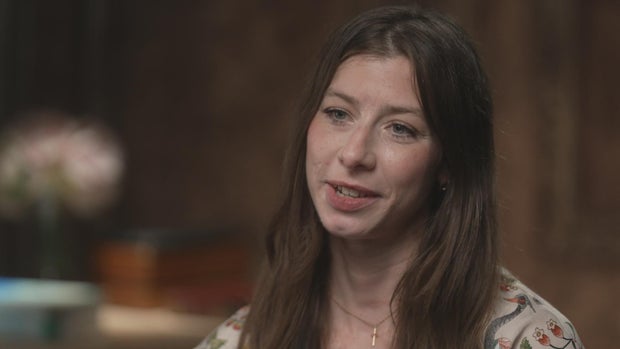
Melanie Clark, a trained opera singer from Michigan, struggled with postpartum depression and fatigue. In 2022, she discovered Feel Free Classic Tonic through Instagram ads. The plant-based energy drink promised to help her become a ‘SuperMom’.
Jon Wertheim: How did you hope it would make you feel?
Melanie Clark: Focused, energized. I wanted a boost.
The active ingredient in Feel Free is kratom, derived from a Southeast Asian tree. It has been used there for generations as a stimulant. Melanie bought the product from nearby gas stations. Over time, her usage increased, and she soon felt addicted just a few weeks in.
Feel Free is one of many kratom products available in various forms such as powders, capsules, gummies, and extracts. These can be found at smoke shops and corner stores.
Kratom’s Effects
Dr. Andrew Kolodny from the Opioid Policy Research Collaborative at Brandeis University likens kratom’s effects to oxycodone, heroin, and even fentanyl. He became aware of kratom as patients with opioid addictions increasingly reported using it. Kratom’s main compound, mitragynine, activates opioid receptors in the brain, similar to other opioids.
The American Kratom Association promotes kratom as a safe, natural supplement. However, some parents have lost children to kratom use. These parents reported their sons used kratom for energy, stress relief, and to ease away from alcohol. Some deaths were attributed solely to mitragynine, while others were combinations with other medications.
Despite claims that there is no lethal dosage of kratom, toxicologist Justin Brower reports cases where kratom alone was fatal. The CDC has identified over 5,000 overdose deaths involving kratom since 2020, and fatalities have increased tenfold from 2014 to 2026. The FDA warns of serious risks such as liver toxicity and seizures.
Kratom’s Legal Status and Lobbying
In 2014, the FDA attempted to stop kratom imports, but it still enters the U.S., mainly from Indonesia, under the guise of cosmetics or incense. Loopholes allow kratom’s sale in most states. Products with synthetic 7-OH, derived from kratom, have gained popularity due to their potency, being nicknamed ‘gas station heroin’.
Toxicologist Alex Krotulski discusses user migration to more potent kratom-derived products. As tolerance grows, users often seek stronger blows.
Melanie Clark experienced this shift after stopping Feel Free. She turned to synthetic 7-OH tablets, resulting in hospitalization. Her addiction led to panic attacks and suicidal thoughts.
Jon Wertheim: ‘Here’s this nice woman from the Midwest with three kids who studied opera, now running from the cops.’
Melanie Clark: It’s hard to believe, but addiction does that to you.
The federal government considered restricting 7-OH in July, but then increased allowable levels, shocking health officials. Calley Means, a former senior advisor at HHS, linked the decision to kratom industry lobbying.
Significant financial contributions from kratom interests, such as those to the political campaigns of RFK Jr. and investments by officials in kratom companies, have raised concerns. Former officials Calley Means and Dr. Marty Makary resigned, citing business over public health priorities.
HHS denied that lobbying influenced their decision, emphasizing public protection. The American Kratom Association distinguishes between natural kratom and dangerous synthetic products.
Dr. Andrew Kolodny sees parallels between Big Pharma and kratom lobbying, with similar efforts to downplay risks. He warns against using kratom for opioid use disorder due to insufficient evidence.
Susan Eppard, whose son died from kratom, questions its legality. She educates convenience store workers about kratom’s dangers, often finding they are unaware of the risks.
Despite ongoing concerns, kratom products like Feel Free remain available. Melanie Clark, who overcame her kratom addiction, advises against it:
Jon Wertheim: How are you now?
Melanie Clark: Much better.
Jon Wertheim: What would you tell people about Feel Free?
Melanie Clark: It’s a drug. A dangerous drug. You shouldn’t be able to buy euphoria at a gas station.