Technological Progress and Its Impact on Society
A notable trend is emerging where people criticize modern technology while yearning for the preindustrial past. This trend, reminiscent of a neo-Luddite movement, overlooks significant improvements in modern living standards.
Most people today experience better health and comfort than past royals. Historical accounts reveal harsh living conditions. Many ancestors faced dark nights without electricity, and in early modern Europe, nearly half of the population didn’t reach age 20. During famines, cannibalism occurred. Even grand places like Versailles lacked basic facilities.
Technological progress and the Industrial Revolution have drastically improved living standards, separating us from extreme historical hardships.
Chelsea Follett, author of The Grim Old Days, emphasizes modern abundance. Follett argues that people take conveniences like running water and electricity for granted, viewing them as the norm.
Understanding Historical Context
The impact of technology on prosperity often goes unrecognized. Follett, associated with the Cato Institute’s Center for Global Liberty and Prosperity, outlines technological advancements improving lives across economic classes. Her book aims to dispel illusions about the past, revealing its harsh realities.
Historical cities often idealized, such as Renaissance Florence and imperial Rome, lacked street lighting and faced nightly dangers. Follett notes that even George Washington spent a substantial amount on candlelight. Royals endured harsh conditions, with frozen drinks at winter tables and communal, non-flushing toilets.
Transporting someone from the pre-industrial era to a modern setting would astound with grocery store abundance. The Industrial Revolution ended continuous suffering by increasing economic output more than ever before, according to Cato’s Human Progress project.
Sustained Transformation
Follett states that technology freed individuals from subsistence labor, fostering creativity and thought. Previously essential tasks like food production require less labor today, with only 2% of developed countries’ populations in farming, compared to 90% in preindustrial times.
Her book highlights how the Industrial Revolution expanded freedom, commerce, technology, and wealth, allowing ordinary people to pursue dreams.
Embracing the Future with AI
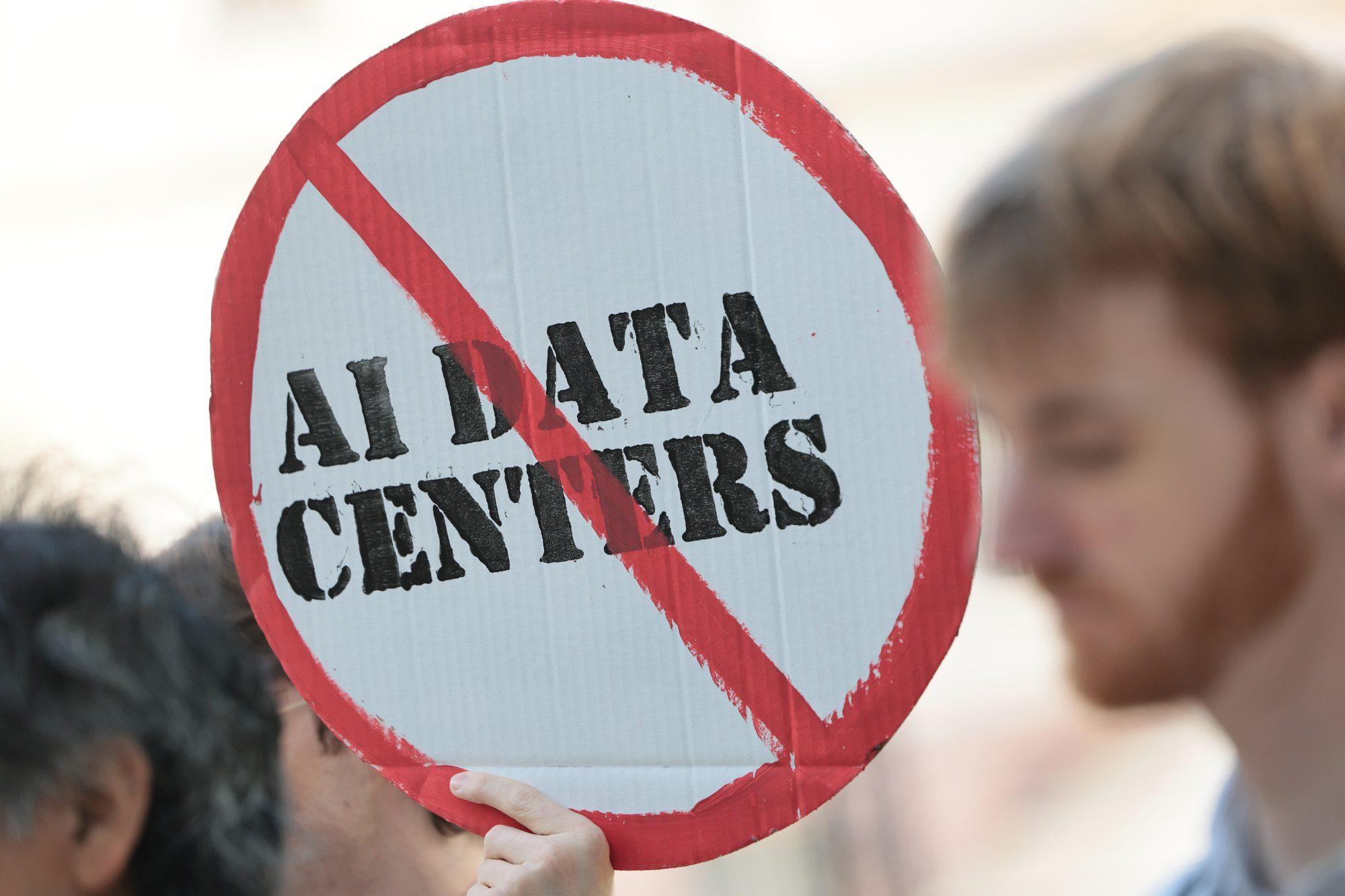
As concerns about AI grow, parallels to the Industrial Revolution emerge. A recent poll shows only 30% view AI positively, despite its role in economic growth.
Follett warns against squandering opportunities with AI by misinterpreting lessons from the past. Although AI might disrupt life aspects, history suggests progress and prosperity could follow. Embracing change often leads to better outcomes than resisting technological advancements.