A Personal Journey Through Encephalitis
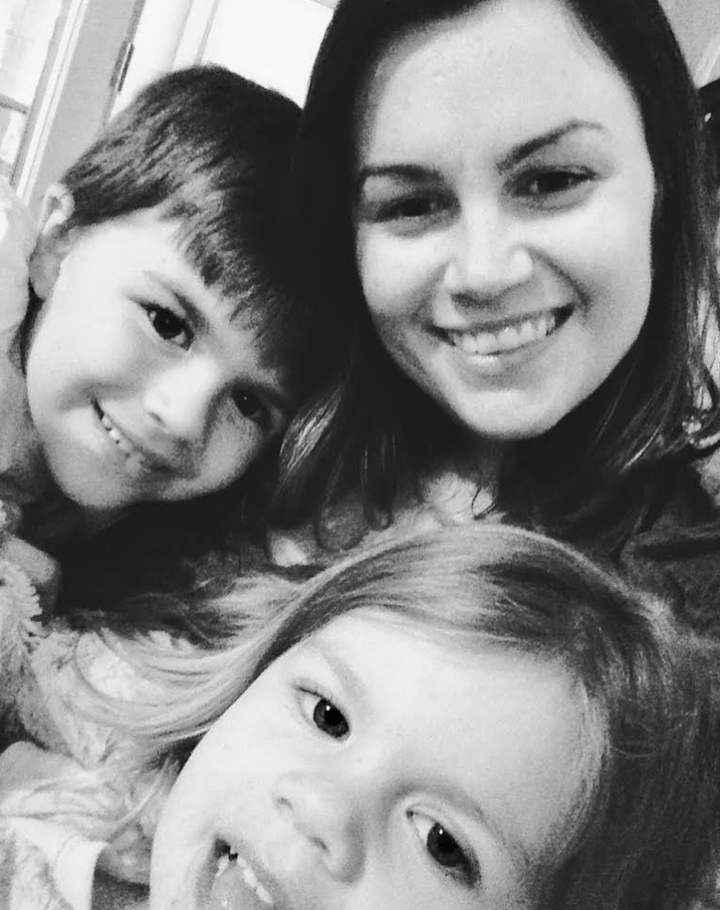
On Oct. 28, 2015, I left my teaching job early, suspecting I had the flu. I had attributed ongoing discomfort to seasonal allergies, headaches, and work fatigue. However, as the day progressed, the pain in my head intensified. I could hardly move or keep my eyes open. Even the mildest scent made me nauseous. Despite this, I attempted to carry on in my classroom, hoping the day would improve.
At the school nurse’s office, I learned I had a fever. I decided to go home, keeping my head down in the bright hallways. I did not return to my job for 15 months. That day, my ex-husband was looking after our children. Once home, I sank into bed, drifting in and out of sleep. My fever rose and I grew increasingly lethargic. I spent the next day similarly confined, aware that I needed to pick up my children from school.
I reached out to my mother for help. “I just need help getting the kids,” I said. She agreed to assist, urging me to see a doctor. Later, I experienced unsettling auditory hallucinations, hearing the loud voices of my deceased aunt and grandmother. I also imagined bats in my room. Terrified and disoriented, I knew I needed urgent care. My then boyfriend drove me to the emergency room where I underwent a CT scan. The doctor found a potential brain mass and recommended further tests.
My sister, a nurse, arranged for me to be transferred to the Hospital of the University of Pennsylvania. There, the diagnosis revealed a rare brain infection caused by herpes simplex virus (HSV-1). Worldwide, HSV-1 affects 3.7 billion people under 50, commonly causing cold sores. However, about 1 in 250,000 to 500,000 cases lead to brain infections. This can result in long-term symptoms or even death. In my memory, I had only experienced two cold sore outbreaks previously.
The doctor explained that the infection was a freak occurrence, not tied to anything specific I had done. My brain rapidly inflamed, and I was hours from a comatose state. My skepticism led me to exhaust myself searching for answers online to no avail.
The treatment plan included intravenous Acyclovir administered within the critical early days of the infection. Studies indicate a 12% mortality rate for ICU patients with this virus. The encephalitis resulted in some permanent damage, but timely treatment prevented blindness and a coma. During my hospital stay, I received supportive treatments, including antibiotics, steroids, pain management, and hydration infusions. I was monitored for seizures, experiencing auditory and visual auras.
Upon discharge, a nurse continued Acyclovir administration at home for three weeks. Recovery entailed managing light sensitivity, processing difficulties, and fatigue. My home environment transformed with medical equipment, marking a radical change from my previous independence.
Joining encephalitis survivor groups later was crucial. Recovery varies greatly, influenced by each case’s uniqueness. Common challenges include fatigue, memory issues, and fluctuating recovery. I learned through trial and error. Professional advice was sparse, supplemented by my drive to research and adapt.
Months later, my return to work was impossible. Life became a cycle of medical appointments, therapy, and goal-oriented self-rehabilitation while balancing child-rearing and staying connected to education.
Tough days linger, where fatigue impacts my teaching and parenting. Coping strategies include utilizing organizational tools and nurturing self-kindness. I focus on empathy towards students with similar challenges, harnessing executive functioning skills I instill in them.
Experiences such as divorce and my illness taught me life’s fragility and the need for gratitude. They altered my perspective, prioritizing presence and connection. I capture moments with my children, valuing simple joys and dedicating myself to mindful living.
Despite the hardships, the experience granted me a deeper appreciation for life. I cherish the enduring parts of my identity, recognizing them as resilient to life’s unpredictability.
Brigid Ward serves as a high school English educator and personal essayist. She affiliates with educational and literary organizations and is co-authoring a book with her daughter. Residing near Philadelphia, her family enriches her daily life. For contact: [email protected].