Reconsidering China’s Role in Global Trade
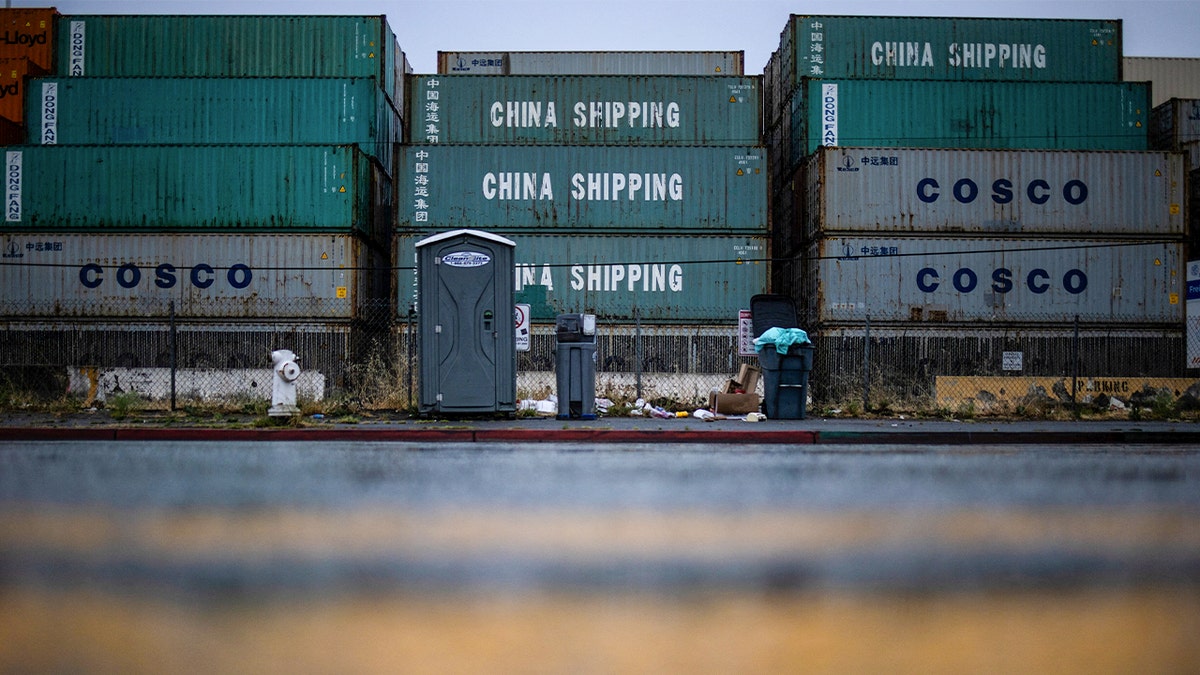
In December 2001, China joined the World Trade Organization (WTO), marking its full entry into the global economy. The United States had previously granted China permanent normal trading relations, a privilege typically reserved for allies like Great Britain and Israel. Among those who voted in favor was a senator who now views this decision as regrettable.
Since that pivotal moment, China has become an economic and military powerhouse. This growth has been accompanied by troubling actions: targeting minority groups such as Uyghurs and Tibetans, forging alliances with authoritarian regimes, supporting global human rights abuses, and expanding its nuclear arsenal and naval capabilities.
The United States’ decision to bring China into the WTO rested on the belief that participation in the global economy would lead to a more open and free China. This assumption proved mistaken. It is now imperative to reconsider China’s permanent normal trade relations with the United States.
Currently, the world faces a new Cold War. Historically, the Soviet Union was never granted favored trading status as it was deemed an enemy. A similar view should be adopted regarding China.
China has presented a friendly facade, only to later challenge global norms. Their claim of being misunderstood serves their goal of global dominance. Cutting off trade with China’s communist leadership could be crucial, as seen with the Soviet Union when their economy faltered under financial pressures.
A proposal to the Chinese Communist Party could urge for religious freedom: allow such freedoms or face economic disengagement from Western economies. This move would echo the Helsinki Accord, seeking human rights improvements in China in return for market access.
If China accedes, internal reform pressures might grow. Withdrawing access to American markets would severely impact China’s economy, forcing policy reconsiderations. The benefits could be substantial, granting 100 million Chinese Christians the freedom to practice their faith openly. Tibetans, Uyghurs, and others would see improvements in their living conditions as well.
This strategic shift aligns with the original vision of the U.S.-China trade agreement, which expected greater freedom for the Chinese people. Should China decline, it justifies a broader separation of the intertwined economies. This approach clarifies to the public why trading with a repressive regime is untenable.
Democracies possess a unique ability to recognize and amend past errors. The global community acknowledged its mistake 25 years ago. It is now time to address it. Ambassador Sam Brownback, former ambassador at large for International Religious Freedom, underscores the necessity of re-evaluating our trade policies with China.