America First Strategies in the AI Chip Race
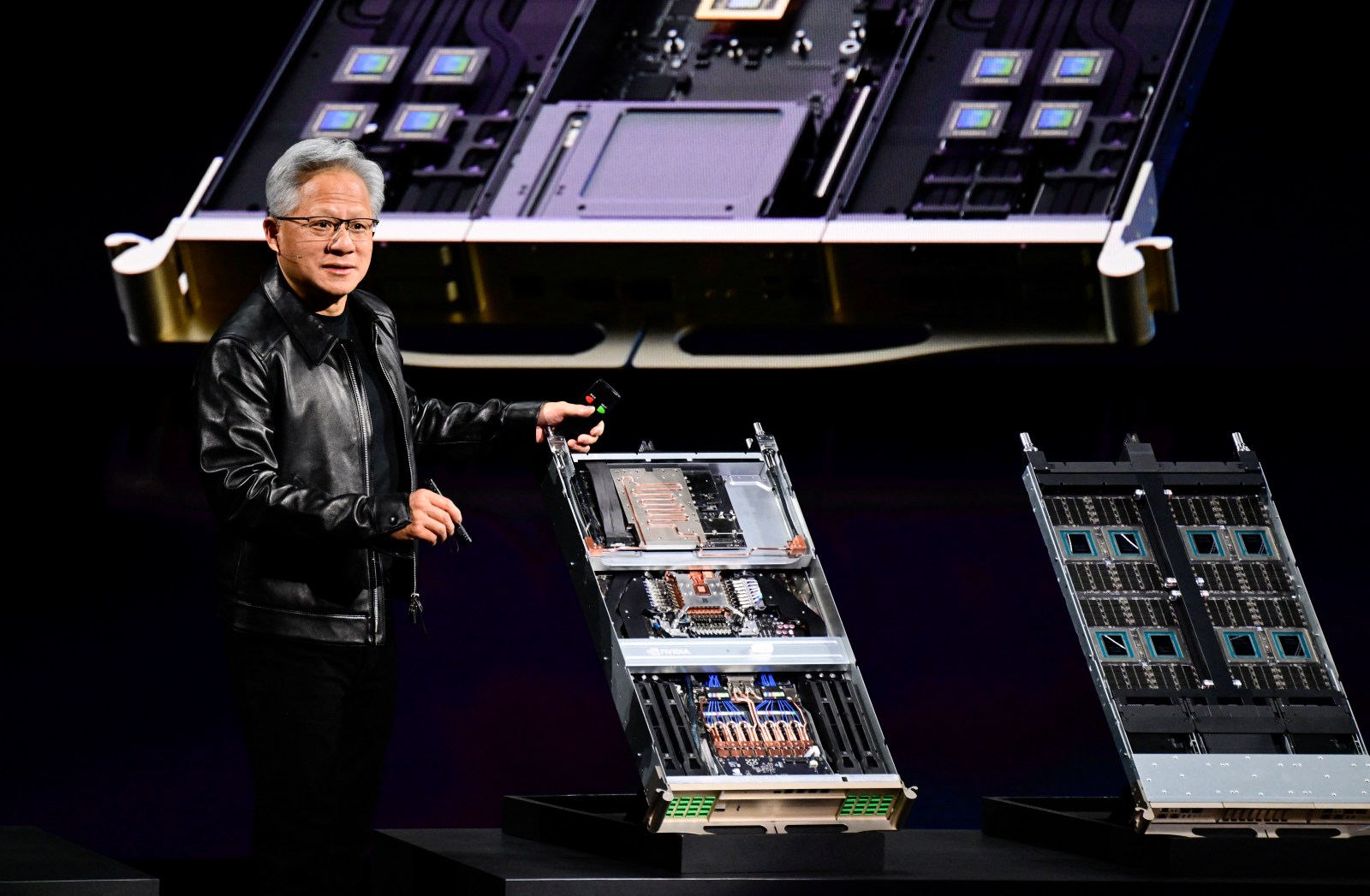
Jensen Huang, a pivotal figure in semiconductor chips, faces challenges at Nvidia following his recent resignation. According to The Financial Times, Huang is planning a comeback, seeking support from tech leaders and the White House. His resignation came amid allegations of extramarital affairs, including a rumored association with a woman suspected of being a Chinese intelligence asset.
Investigations are ongoing, including an Nvidia board inquiry and a Justice Department investigation into Megaspeed, a Singapore-based customer accused of exporting restricted Nvidia chips to China. These events have amplified tensions within the Trump administration regarding the ‘America First’ strategy, a focal point of U.S. policy.
Bessent Versus Lutnick
The administration’s internal conflict features Treasury Secretary Scott Bessent and Commerce Secretary Howard Lutnick, each advocating different approaches in the competition with China. Bessent argues for restricting China’s access to advanced technology to preserve U.S. advantages. Conversely, Lutnick promotes the strategy of making Chinese firms reliant on U.S. technology to create leverage.
Bessent wants firms like Megaspeed blacklisted to halt China’s advancement in AI through U.S. tech. Lutnick, however, suggests that dependency offers strategic leverage, contending that it keeps competitors tied to U.S. technology.
Jensen Huang’s Strategy
Jensen Huang has expressed concerns over export controls, noting they reduced Nvidia’s market share in China significantly. He argued that allowing access to U.S. technology could ensure China’s reliance on American tech, thereby securing a major market within a competing power.
Huang emphasized the economic advantage of this strategy. A Chinese lab working on Nvidia technology provides income for Nvidia and motivation to remain connected to U.S. companies.
The Debate Over Control
The ongoing debate in Washington centers on controlling the dependence created by such sales. Export bans aim to slow China’s technological progression, keeping the U.S. ahead in AI development. However, this control is only effective if intermediaries like Megaspeed are prevented from diverting American technology to restricted markets.
Beijing’s response to Lutnick’s statements has been to redirect its focus away from Nvidia products. The Chinese government now urges technology firms to avoid Nvidia’s H20 chip due to perceived disrespect, impacting Nvidia’s revenue from Chinese data centers.
Finding a Balance
Both strategies—selling to China and restricting access—carry implications for the U.S. position in the global AI race. Selling requires robust oversight to maintain leverage, while restricting demands that the U.S. strengthen its own AI capabilities in the valuable time bought by these controls.
The status of Jensen Huang’s potential return remains uncertain. However, debates over whether dependency equals dominance in U.S.-China tech relations persist, pressing for policy clarity and strategic enforcement going forward.