Experts Weigh In on Immigration Deal and Its Implications
Following President Donald Trump’s comments during a “60 Minutes” interview about potentially negotiating a deal with Democrats to grant legal status to some illegal immigrants, Fox News Digital sought opinions from immigration experts about the implications of such a proposal. Trump’s interview came shortly after the Republican setbacks in the midterm elections, indicating a possible shift in immigration policy. However, he later clarified that there would be no amnesty, affirming the consistency in his immigration policy.
President Trump’s Executive Orders
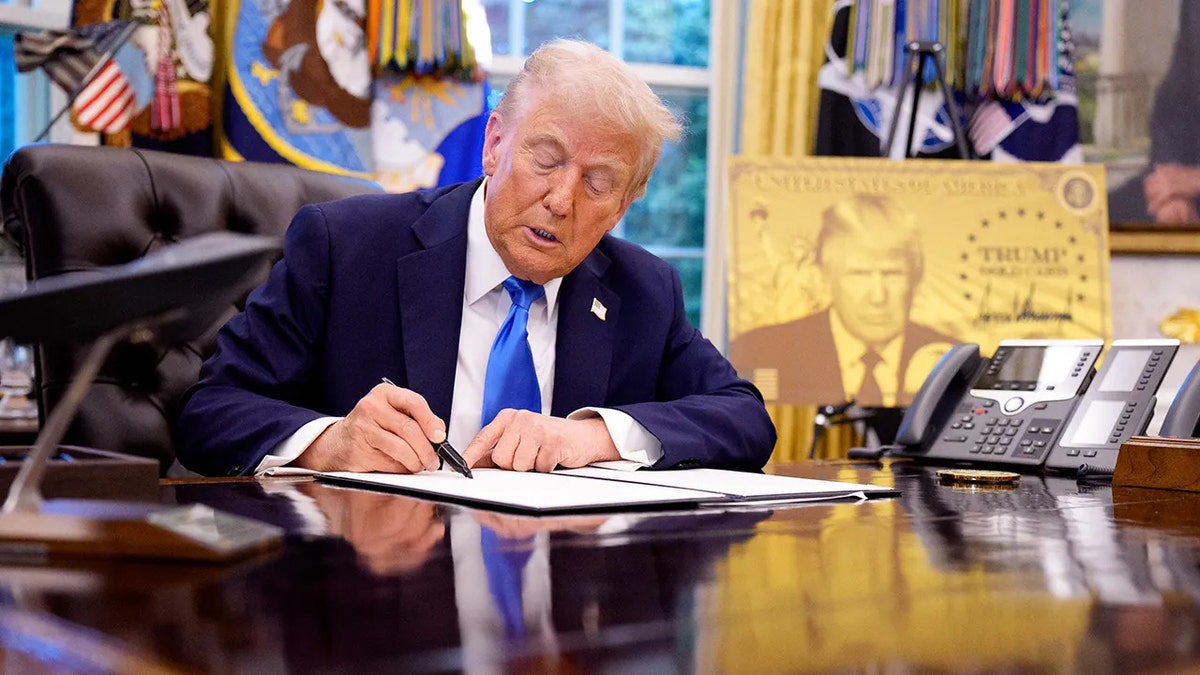
In September 2025, Trump enacted two executive orders that introduced the “Trump Gold Card” visa program and imposed a $100,000 fee on H-1B visas. The “Trump Gold Card” allows foreign nationals to gain permanent residency and eventually U.S. citizenship with a $1 million investment in the country.
Potential Impact on Rule of Law
Steven Camarota from the Center for Immigration Studies emphasized the potential impact on the rule of law. He argued that granting legal status to those who have broken immigration laws undermines fairness. Camarota believes this could negatively affect those who immigrated legally.
Laura Collins from the George W. Bush Presidential Center acknowledged these concerns but highlighted flaws in current immigration laws. She noted that the U.S. economy attracts labor, yet immigration laws restrict necessary labor flow.
Collins explained how previous legislative attempts to legalize undocumented immigrants typically included conditions such as paying back taxes and fines. Camarota expressed skepticism about whether such restitution payments would be enforced before granting citizenship.
Assimilation Issues
Camarota voiced concerns about the impact of large-scale immigration on assimilation. He suggested that an amnesty might overwhelm assimilation processes, making it challenging for newcomers to integrate into American society.
Collins referenced the book “Streets of Gold” which argued that today’s immigrants assimilate at rates comparable to those of past generations. She pointed out that legal work opportunities could facilitate faster assimilation.
Fiscal Policy Considerations
Camarota estimated that households led by illegal immigrants receive about $50 billion annually in government benefits. He pointed out that although illegal immigrants typically do not qualify for many federal welfare benefits, their U.S.-born children might.
Collins cited a 2013 report from the Congressional Budget Office that estimated an increase in federal tax revenues if immigration reform allowed undocumented workers to hold legal jobs.
Challenges to an Immigration Deal
Mark Krikorian from the Center for Immigration Studies believes an amnesty deal is unlikely. He argued that Republicans lack leverage as Democrats may not agree to restrictions on immigration.
Krikorian mentioned DACA as an example, suggesting a potential upgrade of DACA recipients’ status, but noted that Democrats are unlikely to negotiate on this issue.
Trump’s Perspective on Workforce and Immigration
Trump discussed the importance of workers in industries like hospitality, acknowledging the difficulties faced when good workers are deported. He emphasized the need for a balanced approach that does not compromise border security.
The White House reiterated that Trump’s immigration policy remains unchanged and emphasized the need for Democrats to cooperate in ensuring border security and reducing illegal immigration.