Justice Clarence Thomas Warns of Potential Free Speech Implications
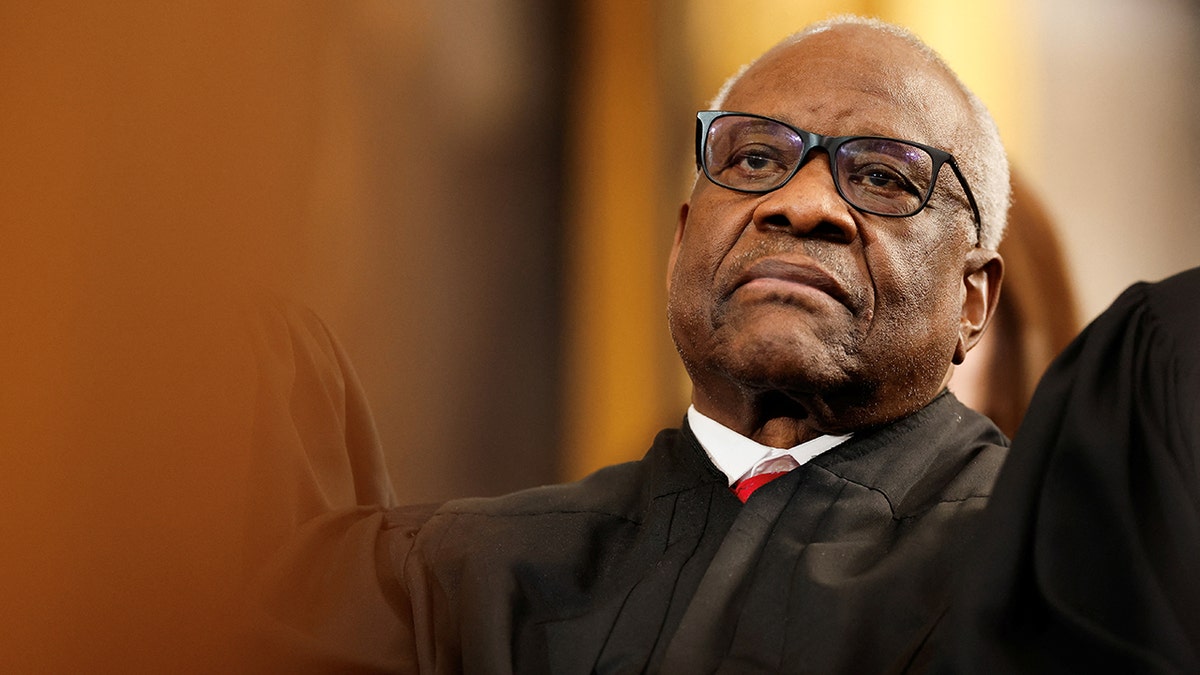
Justice Clarence Thomas cautioned on Monday that the Supreme Court might be allowing states to impose speech on private citizens. This concern comes from the Court’s choice not to hear a challenge to a California law.
The law in question involves a case brought by a California physician. This doctor claimed that the state forced her to make statements she opposed while teaching a mandatory course for doctors. Justices Thomas and Samuel Alito disagreed with the Court’s decision, suggesting that the law’s implications could extend beyond medicine.
California’s rules state that all physicians must complete 50 hours of state-approved education every two years. These courses must include lessons on implicit bias, with examples showing how bias affects medical decisions and health outcomes. They also need to cover methods for addressing bias-related healthcare disparities.
When, as here, the government does not issue its own messages but instead requires private speakers to communicate the government’s viewpoint, the First Amendment applies,Thomas wrote.
He added that a state could not avoid First Amendment scrutiny through regulation. He argued against using the government-speech doctrine as a means of censorship or enforced speech.
Dr. Azadeh Khatibi, a teacher in California, sued the state with support from the nonprofit Do No Harm. She argued, like Thomas, against the state’s imposition of a government-backed message, claiming it violated the First Amendment.
Her legal team expressed that discussing implicit bias was irrelevant to her courses. Including it reduced the time for more pertinent topics. Dr. Khatibi also disagreed with the idea that implicit bias is the primary cause of healthcare disparities.
California responded that while implicit bias must be discussed, instructors don’t need to support the concept and can express disagreement.
The state defended its law by asserting the necessity of broad authority to regulate licensing and educational requirements for doctors. A ruling by the Ninth Circuit last year deemed these courses as government speech, exempting them from First Amendment challenges.
Thomas contested California’s description of the requirements, asserting that they forced instructors to present the state’s views on implicit bias and health disparities.
What of other professions whose members California licenses and regulates? At the next statewide legal conference, could California require a keynote speaker to oppose racial preferences in law firm hiring?Thomas asked.
He argued that extensive government regulation could wrongly classify private messages as government speech, contrary to Court precedents and the Constitution.
Justice Neil Gorsuch also dissented from the Court’s decision not to hear the case. However, his reasons remain undisclosed.
The Supreme Court’s decision upholds the Ninth Circuit’s ruling but does not resolve whether California’s law breaches the First Amendment.