Nvidia’s Interim Leadership Faces Challenges Amid Market Fluctuations
Nvidia’s interim CEO, Colette Kress, is set to lead her first quarterly earnings call after Jensen Huang’s departure. Analysts predict a Q3 revenue of $109 billion and a forward guidance showing 70% revenue growth for next fiscal year. Nvidia’s stock has dropped 29% in the past month, and any missteps in the call could severely shake investor confidence.
Kress encounters internal opposition from Madison Huang, Jensen’s daughter, who served as his chief of staff. Known for her harsh management style, Madison has faced numerous complaints leading to mandatory coaching sessions.
Jensen Huang’s return as CEO is not under consideration by the board despite rumors. President Trump expressed no concern over Huang’s return, stating no national security risk involved.
The Justice and Commerce departments are investigating Megaspeed, founded by Huang’s former affair partner, for potential chip smuggling and threats to U.S. national security. Meanwhile, Trump’s investment accounts have notably traded Nvidia stock multiple times.
For Nvidia, the proposed Remote Access Security Act could pose legal risks for customers using U.S. cloud services rented to Chinese companies. The company’s independent directors have received substantial compensation over the past two years, raising questions.
In related markets, new U.S. regulations on chip exports to China triggered global stock sell-offs. Nvidia’s stock, in particular, showed a 4% decline with a flat status overnight. Concerns remain over slow interest rate hikes to manage inflation, impacting financial markets negatively.
Despite recent sell-offs, some analysts advise rotating investments from tech to non-tech stocks as traders seek alternatives amidst Fed’s interest rate hikes and high oil prices.
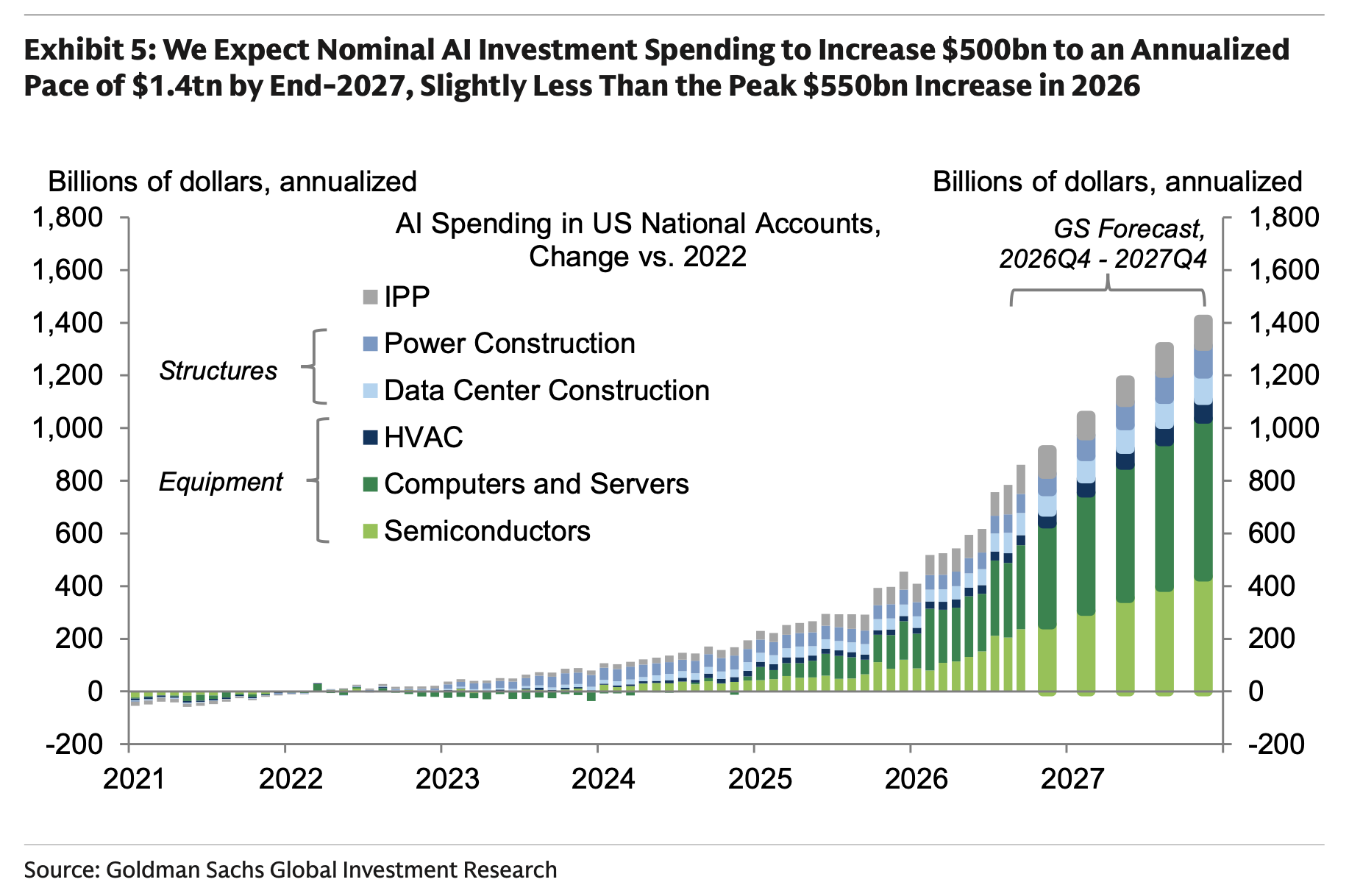
Discussing AI and investment, Goldman Sachs forecasts robust AI-driven business investment growth despite moratoria in certain states. The focus remains on balancing AI advancement with public concerns like increasing power bills.