The Role of AI Scribes in Modern Medicine: Concerns and Insights
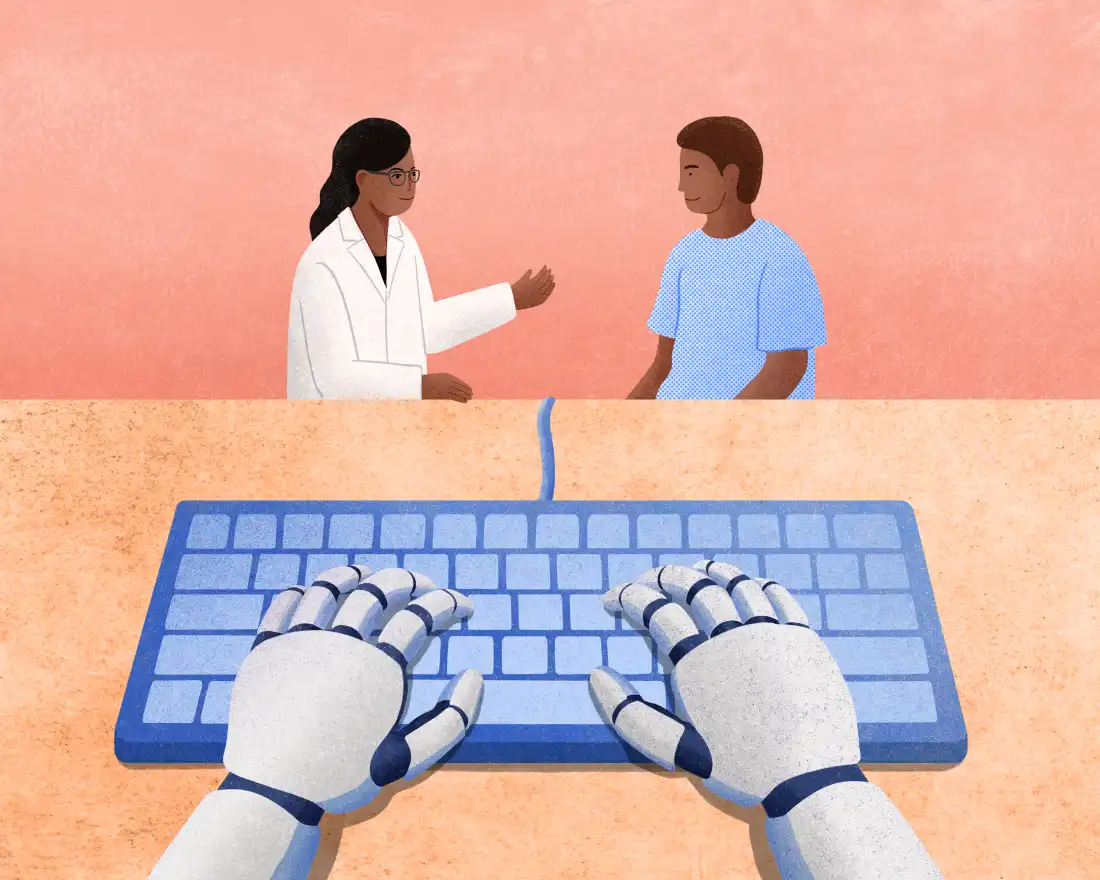
Dr. Mara Gordon, a family physician in Camden, N.J., addresses reader health questions monthly. Recently, a reader inquired about the use of AI scribes in medical visits, expressing discomfort after consenting to their use. The question raised concerns about privacy and the impact of AI on medical interactions.
AI Scribes in Medical Practice
AI scribes are increasingly prevalent in various medical settings, from routine check-ups to emergency rooms. Many physicians, including Dr. Gordon, have adopted these tools to streamline note-taking during patient visits. By allowing AI to handle preliminary documentation, doctors can focus more on patient interaction, improving their ability to maintain eye contact and engage directly without the distraction of taking notes.
Functionality and Software
During a visit, AI scribes record conversations using apps on smartphones. This recording is then transcribed and processed by advanced models to produce a medical note. These notes summarize patient discussions, physical exams, and medical decision-making. The technology relies on automatic speech recognition to differentiate between voices and is tailored to specific medical specialties.
Privacy Concerns
AI scribes store conversations in HIPAA-compliant clouds, not on personal devices, to protect patient privacy. These systems encrypt data, control access, and are designed to prevent data breaches. Although the recordings are typically deleted after transcription, concerns remain about their potential misuse. Compliance with federal privacy laws is essential, and companies are liable for any data leakage.
Potential for Errors
AI scribes can make errors, such as incorrect transcription of details crucial for patient care. Instances of incorrect gender, age, or misleading phrasing like confusing “I do” with “I do not” highlight the risks. Dr. Gordon emphasizes reviewing AI-generated notes carefully to ensure accuracy and reliability.
Who is Responsible for Mistakes?
The physician using the AI scribe remains responsible for the notes’ content, necessitating a thorough review before finalizing them in the medical record. Most software agreements require doctors to acknowledge liability for any inaccuracies in AI-assisted documentation.
Health Equity Issues
AI scribes often support only English, which may limit access and exacerbate health disparities. The technology can either enhance patient comfort or create concerns about privacy, influencing a patient’s willingness to disclose sensitive information.
Use of Recordings Beyond Scribing
While AI scribe companies generally erase recordings post-transcription, debates continue regarding their potential utility in research or quality assessment. Currently, recordings are not used for research without explicit consent, though they hold unexplored potential for insights into doctor-patient interactions.
Opt-out Options and AI’s Ubiquity
Patients may refuse AI scribe use, reverting to traditional note-taking, but opting out of AI in broader medical practices is challenging. Machine learning permeates various healthcare functions, such as billing, decision-making, and risk assessment, making complete disengagement from AI impractical.
The Future of AI and Human Doctors
Dr. Gordon and Dr. Eileen Kim discuss AI’s role in medicine’s future. While AI scribes might optimize administrative efficiency, the irreplaceable element remains the human connection between doctor and patient. AI cannot replicate the genuine cognitive processes and empathetic engagements essential in healthcare.
Dr. Mara Gordon is a family physician in Camden, NJ. You can find more of her insights in her newsletter, “Your Doctor Friend,” on Substack.