California Roller Coaster Safety Challenges Highlighted by Tragedies
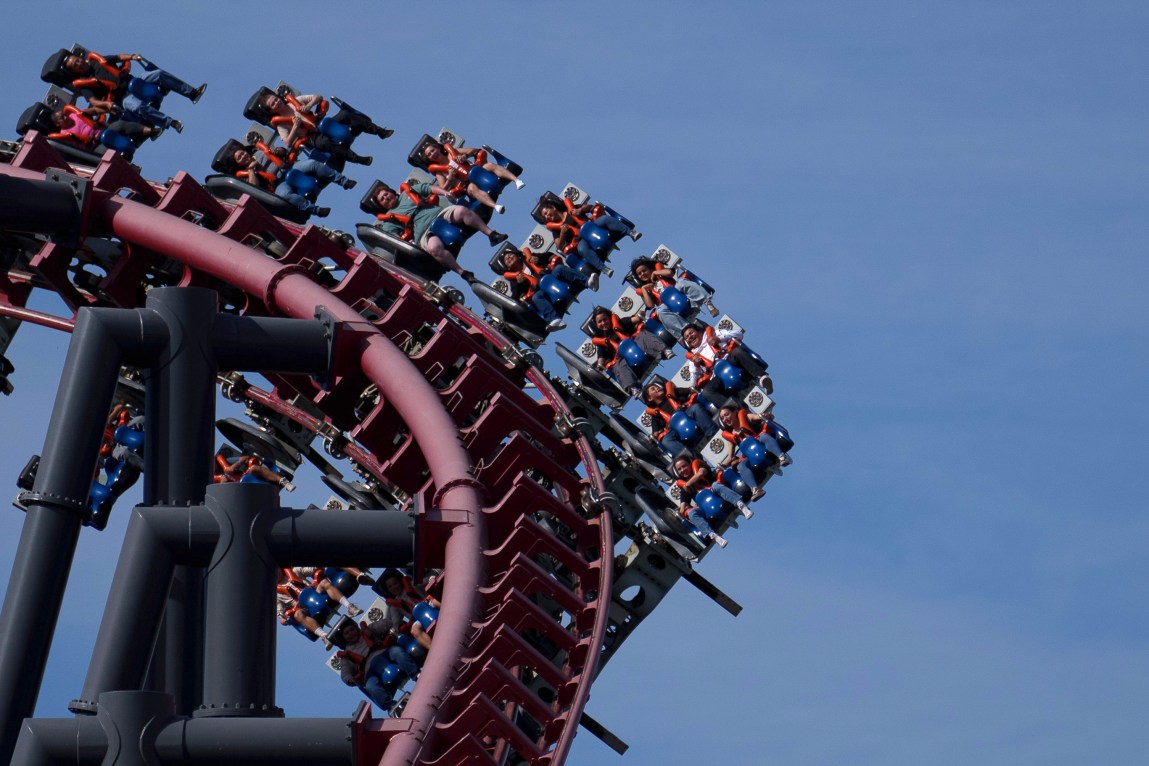
Recent incidents at Six Flags Magic Mountain in California have raised serious concerns about roller coaster safety and state oversight. In June, a 17-year-old named Christopher Gibson died after riding the park’s X2 roller coaster. In the weeks that followed, two more people suffered severe brain injuries on the same ride. An investigation by ProPublica and L.A. Material uncovered that state regulators have often failed to conduct thorough investigations into these incidents.
Regulatory Gaps and Tragic Outcomes
The California Division of Occupational Safety and Health (CalOSHA) is responsible for overseeing roller coaster safety. Yet, despite repeated reports of injuries, the agency has frequently accepted explanations from Six Flags that blame riders for their injuries. Records show that thorough safety checks were often not performed. This pattern persisted even as reports of serious injuries and deaths accumulated over the years.
For instance, when Christopher Gibson died, the homicide detective investigating his case emailed the responsible CalOSHA official. The email went unanswered for nearly two months. Meanwhile, additional injuries occurred on the X2 ride. A subsequent investigation by ProPublica and L.A. Material found more than 70 reports of head injuries on the roller coaster since 2010. On many occasions, the state took little or no action.
Systemic Issues with Insufficient Oversight
State audits reveal that CalOSHA’s ride safety unit is understaffed. With key positions vacant for years, the agency struggled to keep up with its responsibilities. This situation led to abbreviated inspections and neglect of serious safety concerns. Staffing studies showed the audits of complex rides like the X2 were often too brief to be thorough.
Emails obtained from CalOSHA officials lamented the lack of resources. One official expressed frustration about being unable to adequately pursue safety goals. Meanwhile, the theme park continued to operate rides despite warnings about ongoing safety issues.
Theme Park and State Response
When faced with lawsuits and public criticism, Six Flags defended its safety protocols. The company stated that the X2 consistently passed safety tests and underwent regular maintenance. However, internal communications and public statements from regulatory bodies reveal ongoing concerns about the effectiveness of these measures.
Despite assurances, an alarming number of incidents suggested a deeper problem. In more than two-thirds of cases involving serious injuries, CalOSHA chose not to investigate. The agency often attributed injuries to preexisting conditions or rider behavior, even when evidence pointed to potential safety failures.
Recent Developments and Future Directions
After a series of injuries and a tragic death, CalOSHA ordered new safety tests for the X2 ride. These tests aimed to examine the physical impacts more comprehensively, particularly on the head and neck. While the test results are pending, Six Flags announced the permanent closure of the ride, citing guest safety as a primary concern.
The incidents have highlighted the need for stronger oversight and stricter safety standards for amusement park rides in California. Moving forward, addressing staffing shortages and conducting more rigorous investigations will be crucial to improving roller coaster safety and restoring public confidence.