Trump’s Trip to China Overshadowed by Technical Outages in U.S.
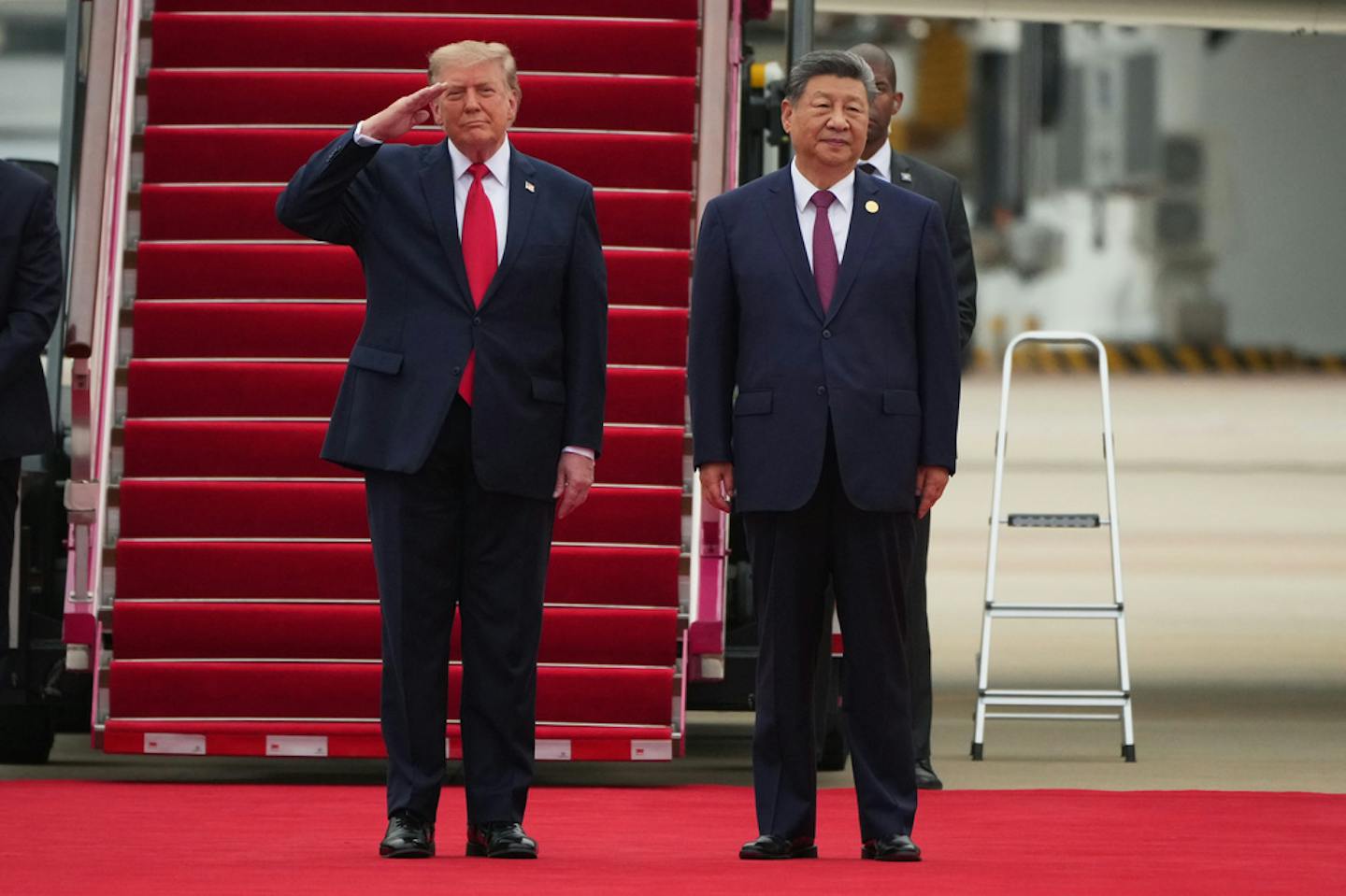
President Donald Trump arrived in China on Wednesday, striving to bolster America’s image as the foremost technology leader. However, a troubling series of technical outages in the U.S. left his administration working hard to reassure the public.
During his arrival at Shenzhen Bao’an International Airport, Trump’s aim was clear: strengthen the perception of U.S. technological dominance. Yet, back home, significant outages involving Microsoft, the FAA, JPMorgan Chase, and the NSA disrupted communications and operations, raising security concerns.
The outages came at an inopportune moment, as Trump planned a trilateral meeting with China’s Xi Jinping and Russia’s Vladimir Putin. The administration was forced on the defensive, trying to maintain an image of strength and certainty.
Initially dismissing the outages, Trump commented on Tuesday from Manila that issues in a large, powerful nation are expected. However, the persistence of these technical problems demanded an official response. Secretary of State Marco Rubio assured the public that there was no evidence linking the outages to foreign adversaries or cybercriminals, stating that sometimes fixing vulnerabilities can lead to temporary disruptions.
A significant aspect of Trump’s visit was the warm reception from Xi Jinping, who met him at the airport, a gesture not extended to Putin underlining the nuances of international diplomatic relations. This was part of Trump’s strategy of leveraging personal relationships to impact broader geopolitical dynamics.
Trump’s agenda in Shenzhen included meetings with Mexican President Claudia Sheinbaum and Canadian Prime Minister Mark Carney. Despite his prior disapproval of NAFTA, the meetings signaled ongoing diplomatic engagement with neighboring countries.
On Thursday, Trump, Xi, and Putin planned to discuss arms limitations and the conflict in Ukraine. Trump’s optimism about resolving the war contrasted with analysts’ expectations for significant progress.
Prior to arriving in China, Trump had a luncheon in Manila with President Ferdinand Marcos Jr., highlighting the U.S.-Philippines relationship. He also reunited with Imelda Marcos, drawing on historical ties, amidst the backdrop of current strategic negotiations.
Amid the focus on international relations, the summit also highlighted challenges posed by AI development. The rapid evolution of AI technology presents both economic opportunities and national security risks. Trump’s response to concerns about China’s access to advanced technologies underscored the complexities of managing U.S.-China relations within the tech industry.