Biotin in Hair Growth Supplements: Potential Risks and Considerations
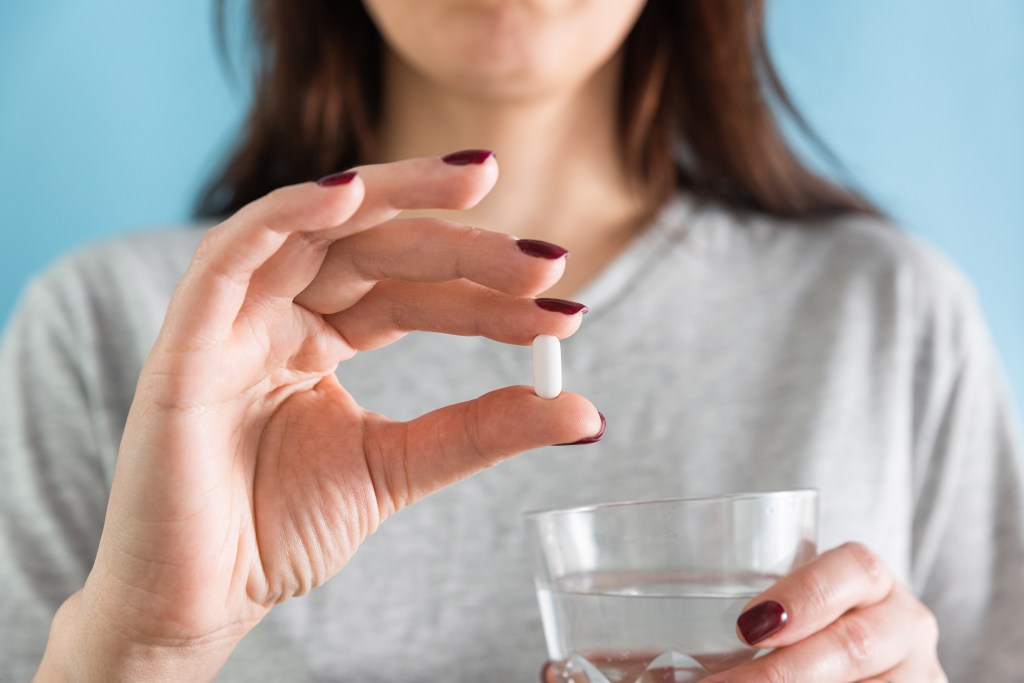
Many Americans struggle with hair loss, and supplements are a common solution. More than 80 million people in the U.S. experience hair loss, turning to vitamins to maintain thick, healthy hair. However, some supplements may pose health risks beyond affecting your hairline.
Biotin, also known as vitamin B7, is a key ingredient in many hair-growth products. While naturally present in foods like beef, poultry, eggs, nuts, sweet potatoes, and avocados, it is also available as gummies or pills. These supplements often provide 5,000 to 10,000 micrograms, far above the daily requirement of 30 micrograms for adults.
Doctors caution that high biotin intake from supplements can interfere with blood test results. Dr. Navin S. Arora, a dermatologist focusing on hair loss, highlights this issue as crucial yet often ignored. The interference can mask severe medical problems or lead to unnecessary treatments. Biotin’s presence can cause misleading results, either falsely elevated or decreased, which impacts diagnoses and treatment plans.
One significant concern is cardiac troponin levels. Biotin overload may result in false low readings, potentially delaying a heart attack diagnosis. Similarly, unnecessary alerts for conditions like hyperthyroidism can occur due to incorrectly elevated thyroid hormone levels and reduced thyroid-stimulating hormone readings.
Not all blood tests are affected by biotin. Regular tests, like complete blood counts and many metabolic panels, typically don’t rely on biotin, minimizing the risk of false results. Nonetheless, Dr. Maria Pino advises consulting a healthcare professional before starting any biotin supplements. Knowing your exact dosage is vital before lab work. For safety, waiting at least eight hours, preferably 72 hours, after taking biotin before a blood test is advisable, though emergencies should never be delayed.
The FDA alerts that high-dose biotin supplements can disrupt tests for heart attack and thyroid conditions. This consideration leads to questioning if these supplements are worth the risk. Biotin deficiencies are rare in those with a balanced diet, casting doubt on the efficacy of extra biotin for individuals without true deficiencies.
Dr. Arora mentions the lack of substantial evidence supporting the supplement’s benefits for those without deficiencies. Reputable companies now offer biotin-free hair products, like Xtressé gummies, Lemme Grow capsules, and Nutrafol Women Advanced formula. These alternatives may avoid potential blood test complications while addressing hair health concerns.