Iran Expands Attacks Amidst Tensions in the Gulf
Iran has intensified its military actions against Gulf neighbors, launching attacks on Wednesday against a U.S. air base in Kuwait and multiple targets in Bahrain. These belligerent moves appear to be in retaliation for American military strikes the previous day.
In recent days, Iranian forces have repeatedly targeted U.S. facilities in Bahrain. The island hosts the U.S. Navy’s 5th Fleet, making it a strategic location. The latest wave of attacks follows a U.S. fighter jet strike on a Revolutionary Guard missile site on Qeshm Island in the Strait of Hormuz. This U.S. action was a countermeasure to an Iranian strike on American radar in Bahrain.
Iran claims its recent aggressions, including strikes on other U.S. assets in Bahrain on earlier days, are responses to U.S. drone operations and attacks on their communication infrastructure. The U.S. military has yet to release a statement regarding these recent events.
Blockade Escalates Pressure on Tehran
Iran’s economy is under great strain from a U.S. naval blockade. Additional pressure stems from U.S. military operations securing oil shipments through the Strait of Hormuz. Analysts suggest Tehran’s tolerance for the current situation is wearing thin.
Hamidreza Azizi, an analyst at the International Crisis Group, notes the increased risk of miscalculation leading to unplanned escalation due to the ongoing military incidents. His analysis reflects on the precarious balance both sides are attempting to maintain.
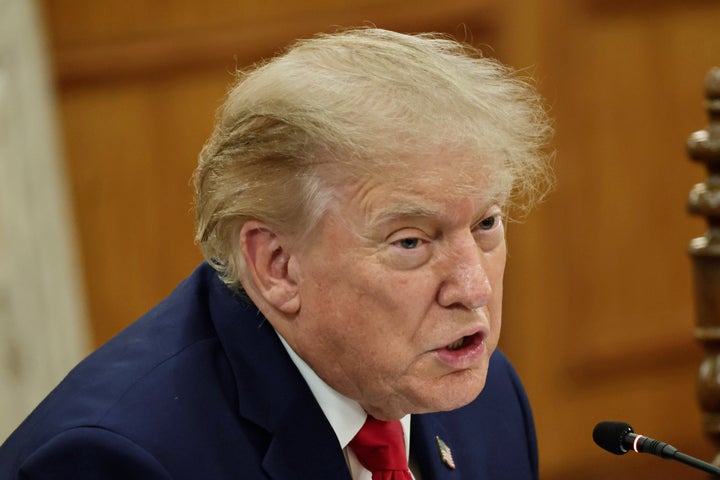
U.S. President Donald Trump has presented conflicting signals concerning future military action. He has mentioned that further strikes are improbable, yet has also deployed additional military assets, including a third aircraft carrier and more troops, to the Middle East.
Despite U.S. military efforts to normalize oil shipment levels, Iran continues to disrupt tanker movements through the Strait of Hormuz. The UAE’s state-owned ADNOC reported that a crew member went missing and others sustained injuries in a recent attack.
Danny Citrinowicz from Israel’s Institute for National Security Studies observes an increasing pattern of calculated Iranian attacks aimed at raising the costs of the naval blockade for the U.S.
He asserts that limited U.S. responses might embolden Iran, while more severe actions could escalate tensions further. According to him, the paths to de-escalation include negotiating a truce or lifting the blockade.
Continued Strikes on U.S. Bases
Since an attack on Iran by Israel and the U.S. in late February, Iran has persistently targeted U.S. facilities in Gulf countries and other strategic locations. The Ali Al Salem air base in Kuwait came under fire, with Iranian forces targeting air defenses and other platforms.
Kuwait’s military stated air defense systems intercepted the drones, and the Foreign Ministry condemned the attacks. During previous conflicts, this base suffered severe damage from Iranian assaults.
In Bahrain, following Iranian attacks, the government issued safety alerts to civilians. Military sources confirmed interceptions of several Iranian strikes but provided no details on any damages incurred.
Increasing Tensions in the Region
Iran-backed Houthi rebels targeted Riyadh in Saudi Arabia, with local defenses managing to destroy incoming missiles. The day before, Saudi-led forces conducted a significant operation against Houthi areas in Yemen, resulting in casualties and damage to Houthi capabilities.
These developments follow strategic withdrawals by Saudi-backed forces, bolstering Houthi control over crucial maritime routes vital for global trade.
The ongoing regional conflict, involving multiple parties and complex affiliations, continues to exacerbate geopolitical tensions in the Middle East.