MLB Owners and Players Face Standoff Over Salary Cap
Fans of professional baseball are bracing for difficult times ahead with the impending expiration of the Collective Bargaining Agreement (CBA) between Major League Baseball (MLB) owners and the MLB Players Association (MLBPA). With two weeks to go, the tension between the two parties is palpable.
The last CBA negotiation in December 2021 lasted nearly 100 days, delaying the start of the 2022 season and altering the scheduled 162 games. This process was relatively straightforward, with the two sides agreeing on maintaining the structure of baseball.
However, the current negotiations have been more contentious. Owners have been vocal about reshaping the sport, introducing a salary cap, and a corresponding floor, which is a significant shift for MLB. The league currently has revenue sharing, but no salary cap like other major sports leagues.
Players typically cannot reach free agency until six years after their debut. This structure usually benefits teams more as it coincides with players’ peak physical years, often around the age of 26 or 27. Owners, however, are keen to increase profits and franchise valuations, pushing for a salary cap that players strongly oppose.
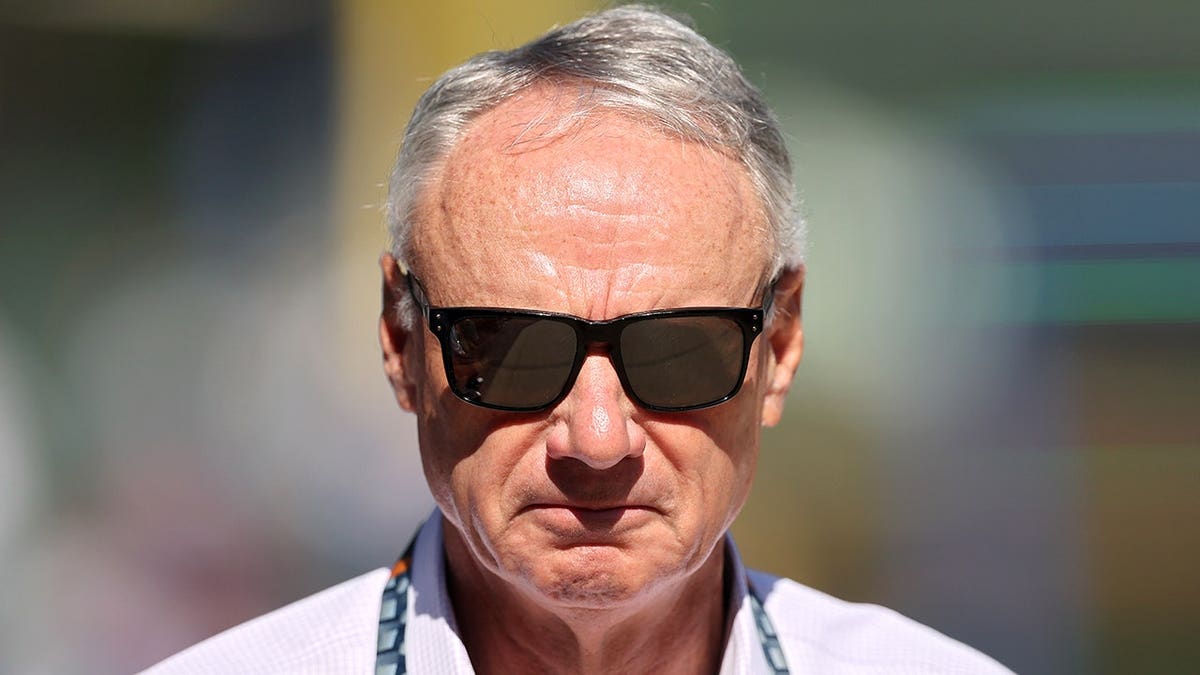
Commissioner Rob Manfred has emphasized ownership’s commitment to implementing a salary cap, citing fan demand as justification. He urged the MLBPA to compromise and accept the proposal, despite acknowledging no openness to negotiation on a salary cap and floor.
MLBPA head Bruce Meyer criticized the league for insisting on changes without serious negotiation over player compensation. He views the push for a new system as an attempt by owners to suppress salaries, resulting in higher profits and franchise values.
Manfred has suggested that a lockout is not inevitable and is willing to negotiate extensively to reach an agreement. However, he insists on keeping the salary cap proposal unchanged.
This looming lockout is a voluntary measure by owners set for December 2. Fans share some responsibility for this situation, as the league’s rhetoric of small market teams having no winning chance has found some traction, despite the Milwaukee Brewers’ World Series win in 2026.
The balance in MLB arguably surpasses other sports due to its inherent unpredictability. Yet, the league argues otherwise. It seeks to lock the sport down, leveraging fan support to pursue desired changes.
The important question remains – how long will this impasse last, and is the 2027 season truly at risk? The answer is uncertain. Previous lockouts lacked the scale of disagreement seen currently. If the salary cap remains a non-negotiable point, a prolonged work stoppage could indeed affect future seasons.
Players are reluctant to cap their earnings potential as owners aim to secure more income without prioritizing competitive balance. Reducing exposure and elevating franchise values are among their motives.
If owners stick to their demands, they risk alienating fans more by missing games. As the deadline approaches, little progress has been reported, and the divide appears as wide as ever.