Understanding the Threat of a Dirty Bomb
The concept of a dirty bomb, while theoretical in many ways, has sparked concern among experts and authorities. A recent report focusing on an alleged Iranian endeavor highlights longstanding fears, even though such an explosive has never been successfully deployed in a terror attack.
What is a Dirty Bomb?
A dirty bomb combines conventional explosives with radioactive material. Unlike atomic bombs used in World War II, a dirty bomb aims to scatter radioactive dust. Jason Pack, a former FBI supervisory special agent familiar with these weapons, clarifies this distinction. He notes that although radiation is frightening, a dirty bomb operates differently from a nuclear weapon.
Dirty bombs disperse radioactive contaminants through a conventional blast, leading to significant disruption and contamination. The greatest initial threat is the explosion itself. However, the subsequent contamination and public concern can vastly outweigh the immediate impact. Such an attack might not be as instantly deadly but can incapacitate large city areas, impacting families and businesses.
Building a Dirty Bomb
Crafting a dirty bomb is risky. The bomb-makers face exposure to the same harmful materials they intend to use in their attack. Ensuring effective dispersion of contaminants is also challenging.
A relatively small incident could cause immense fear and disruption, even if it doesn’t physically damage much.
Retired NYPD inspector Paul Mauro explains that materials used in dirty bombs do not require advanced nuclear capabilities. Sources might include medical waste, such as byproducts from certain cancer treatments. This aspect underlines the term “dirty” — the use of waste materials.
The Health Impact
According to the U.S. Centers for Disease Control and Prevention (CDC), the primary danger of a dirty bomb is the initial blast. However, inhaling radioactive particles can quietly lead to health issues. Typically, significant radiation exposure levels to cause immediate illness only affect those close to the blast.
Most police departments have radiation detection devices sensitive enough to pick up medical radiation from ambulances.
Alleged Plotting and Concerns
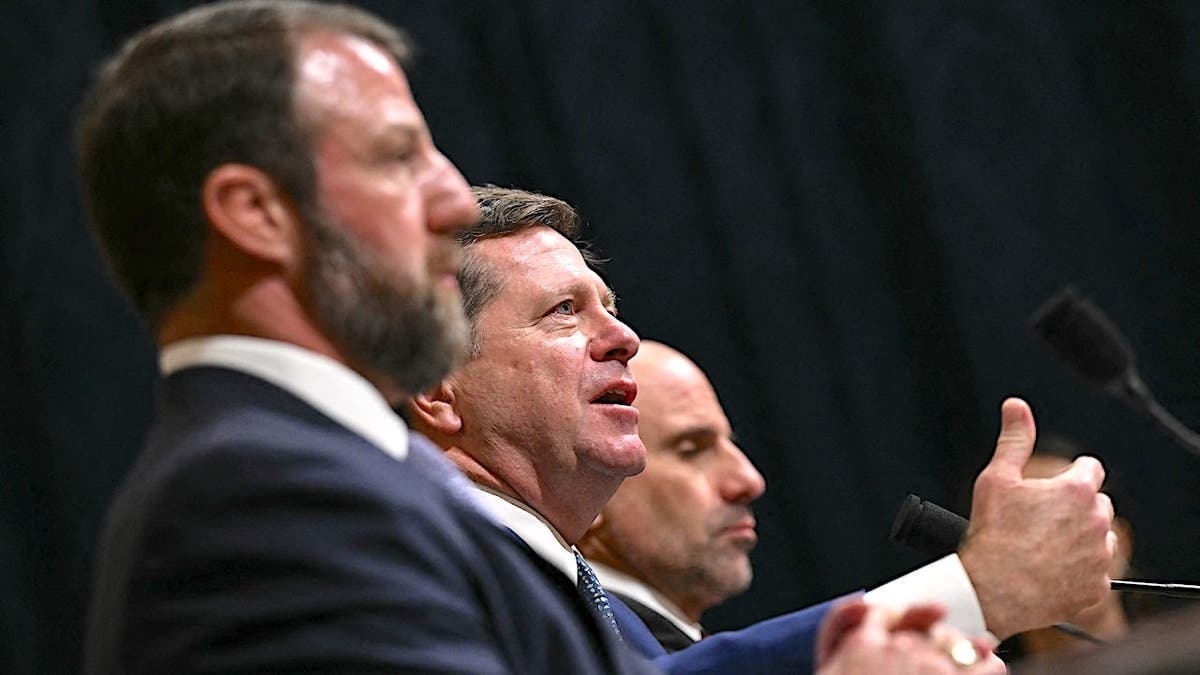
Recent U.S. intelligence suggests Iran might be considering plans involving a radiological device. However, allegations of an imminent attack remain unconfirmed. Discussions on this topic surfaced during a House Homeland Security Committee hearing, where high-ranking security officials testified.
A 2006 Government Accountability Office report documented attempts and concerns about radiological threats post-9/11. For example, a Chechen separatist’s failed attack in Moscow demonstrated the potential for radiological devices to be used in terrorism.
Now, eyes are on potential threats from Iran or Hezbollah. Pack indicates successful prevention strategies often resolve potential attacks out of the public eye, ensuring safety.
Public Safety Measures
Radiation is undetectable by taste or smell, warns the CDC. In the event of a suspected dirty bomb attack, you should cover your mouth and nose, minimize inhalation, and seek indoor shelter. It’s also advised to seal potentially contaminated clothing in a bag, take a shower, and wash hair thoroughly.
Stay informed through TV, radio, or social media for official updates on when it is safe to venture outside again.
Mauro notes that while cleanup of such materials can be costly and complex, it is feasible.