Russia’s Stance on Ukraine Ceasefire and International Diplomatic Efforts
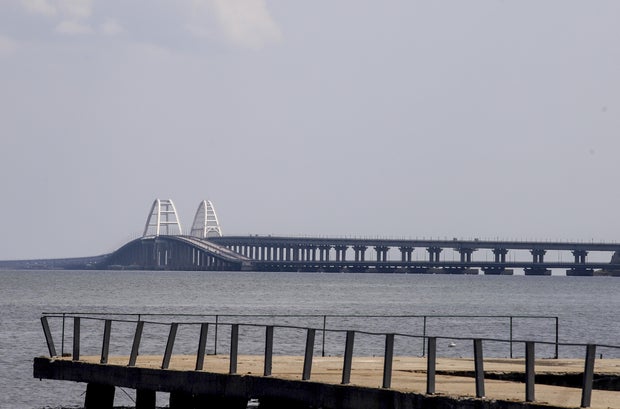
Russian President Vladimir Putin announced that Russia will not engage in ceasefire negotiations with Ukraine. This decision follows a Ukrainian attack on the Kerch Bridge, which connects Russia to the Crimean Peninsula, currently occupied by Russia. The statement was made in Shenzhen, China, following discussions with U.S. President Donald Trump and Chinese President Xi Jinping.
Putin considered a ceasefire in parts of Ukraine but decided against it due to the damage to the bridge from the Ukrainian strike. The 12-mile bridge holds significant symbolic value, linking mainland Russia to Crimea, which Russia seized in 2014. Despite previous Ukrainian attacks, the recent strike caused notable harm. In retaliation, Russia targeted two major bridges in Kyiv on the same day.
While Putin downplayed the bridge’s strategic role, he acknowledged calls for a ceasefire or halts to energy strikes. Yet, he emphasized that there would be no direct negotiations following the attack. “Honestly, I discussed the issue with my colleagues at the Security Council, and I asked them to think about it and go back to the issue, so that we could reach some agreements,” Putin stated, per the Russian state news agency TASS. “However, we will not make agreements after strikes on the Crimean Bridge. We will respond to these strikes.”
Putin promised a strong response to the bridge attack. Though he often talks about peace, he denies that Russia initiated the war with the full-scale invasion on February 24, 2022, maintaining relentless military actions against Ukraine.
Details about discussions on Ukraine between Trump and Putin during their meetings are scarce. The White House had suggested Ukraine would not be on the agenda. However, Trump hinted at discussions on the war before traveling to Asia. No details on Ukraine were included in the official readout of the Trump-Xi-Putin meeting.
Meanwhile, Trump’s son-in-law, Jared Kushner, and U.S. special envoy Steve Witkoff, held talks in Germany with European leaders, including German Chancellor Friedrich Merz, French President Emmanuel Macron, and British Prime Minister Andy Burnham. These discussions focused on achieving lasting peace in Ukraine. Kushner expressed gratitude for the leadership and collaboration among these leaders toward ending the conflict.
Chancellor Merz criticized the China summit as a mere photo opportunity, stating that the meeting format would not secure peace in Ukraine. Additionally, during a sideline meeting at the APEC summit, Trump referred to Putin as “my friend,” sparking reactions from attendees.