Differing Perspectives in Media Coverage of the Asia-Pacific Economic Cooperation Leaders’ Summit
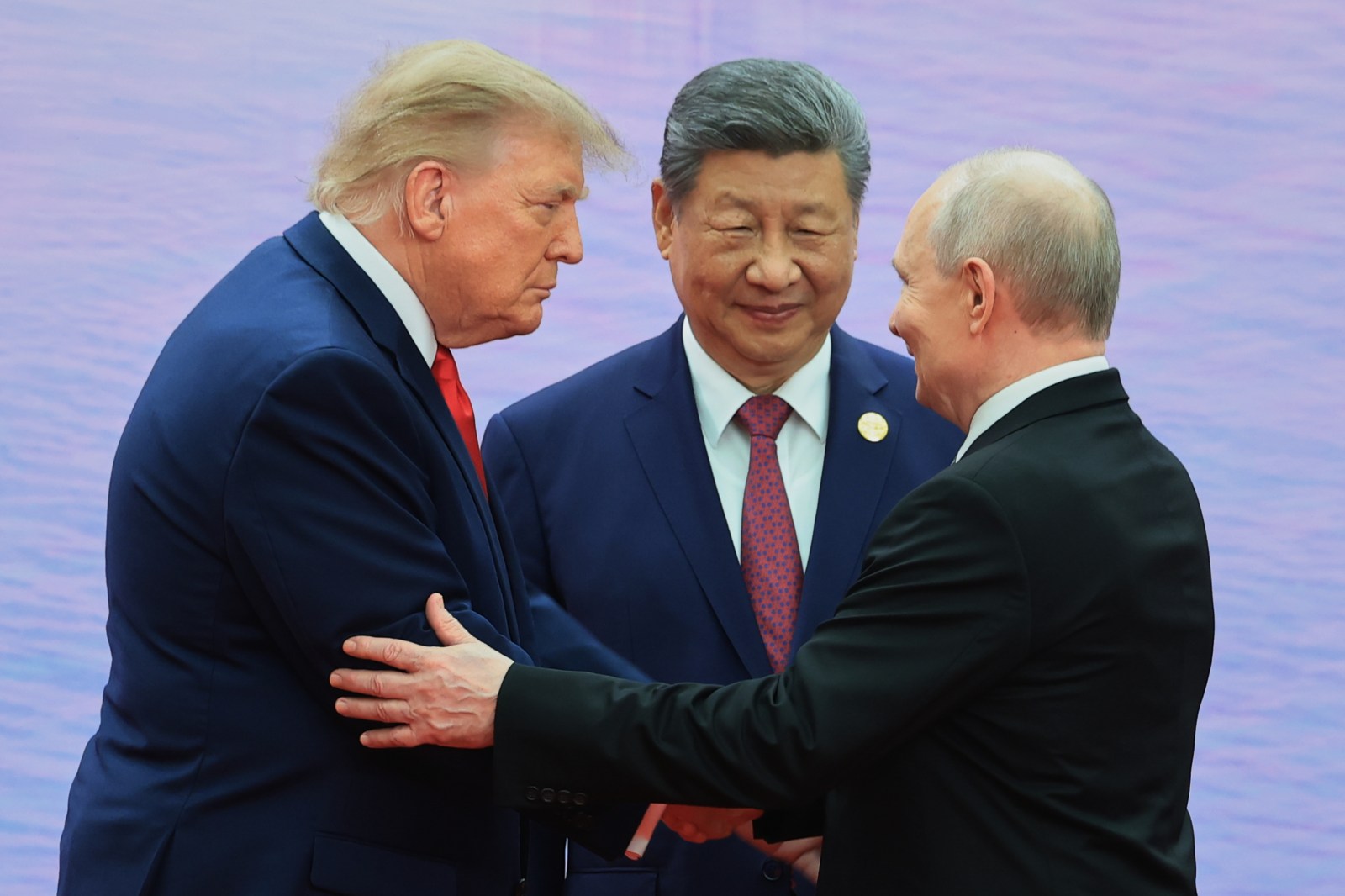
Russian and Chinese state media have portrayed Thursday’s Asia-Pacific Economic Cooperation Leaders’ Summit with Donald Trump as a diplomatic achievement. However, their narratives suggest distinct perspectives on the outcomes.
Chinese Media’s Coverage of the Summit
Chinese state-run media emphasized Xi Jinping’s pivotal role in the summit, focusing on his contributions to fostering cooperation among major powers. The Global Times, a publication under the Communist Party’s People’s Daily, highlighted Xi’s proposals on international relations.
The paper underscored Xi’s calls for mutual respect, peaceful coexistence, and dialogue. It included warnings against interference in other countries’ internal affairs. Another article described the summit as “positive, constructive, fruitful,” echoing Xi’s sentiments.
CGTN, China’s international state broadcaster, published the joint declaration from the summit, opening with Trump and Putin praising China’s hosting. Xinhua reported on Xi’s proposals regarding respect for sovereignty and territorial integrity. Chinese media presented these efforts as essential for international peace, a sentiment Putin endorsed.
Russian Media’s Coverage of the Summit
In contrast, Russian media highlighted Putin’s engagement with Trump and Xi amidst Western attempts to isolate Moscow. TASS, Russia’s news agency, focused on Putin’s assessment of the summit’s success due to the format and the nations’ Security Council membership.
RT, funded by the Russian state, portrayed Putin as open to negotiations with the U.S. while framing Ukraine and Europe as hindrances to peace. RT emphasized Putin’s view that Trump’s interest in restoring relations with Moscow was genuine. It included claims that Ukraine preferred conflict over elections.
RT echoed Putin’s dismissal of European warnings about Russian aggression, blaming European governments for deteriorating relations. The outlet quoted Putin as promising retaliatory action against Ukrainian attacks on the Crimean Bridge.
Outcomes and Perspectives
The summit concluded with an agreement to continue discussions on nuclear security and UN reforms, but lacked any resolutions on the Ukraine conflict. The Chinese media focused on Xi’s diplomatic efforts and leadership, while Russian coverage spotlighted Putin’s status and stance on Ukraine.
The joint declaration discussed nuclear risk reduction and energy supply increases, warning against misuse of the International Criminal Court’s jurisdiction. Despite this, the coverage reflected differing national priorities, with Beijing celebrating its hosting role, and Moscow emphasizing diplomatic resilience.