Potential Meeting Between JD Vance and Abdul El-Sayed
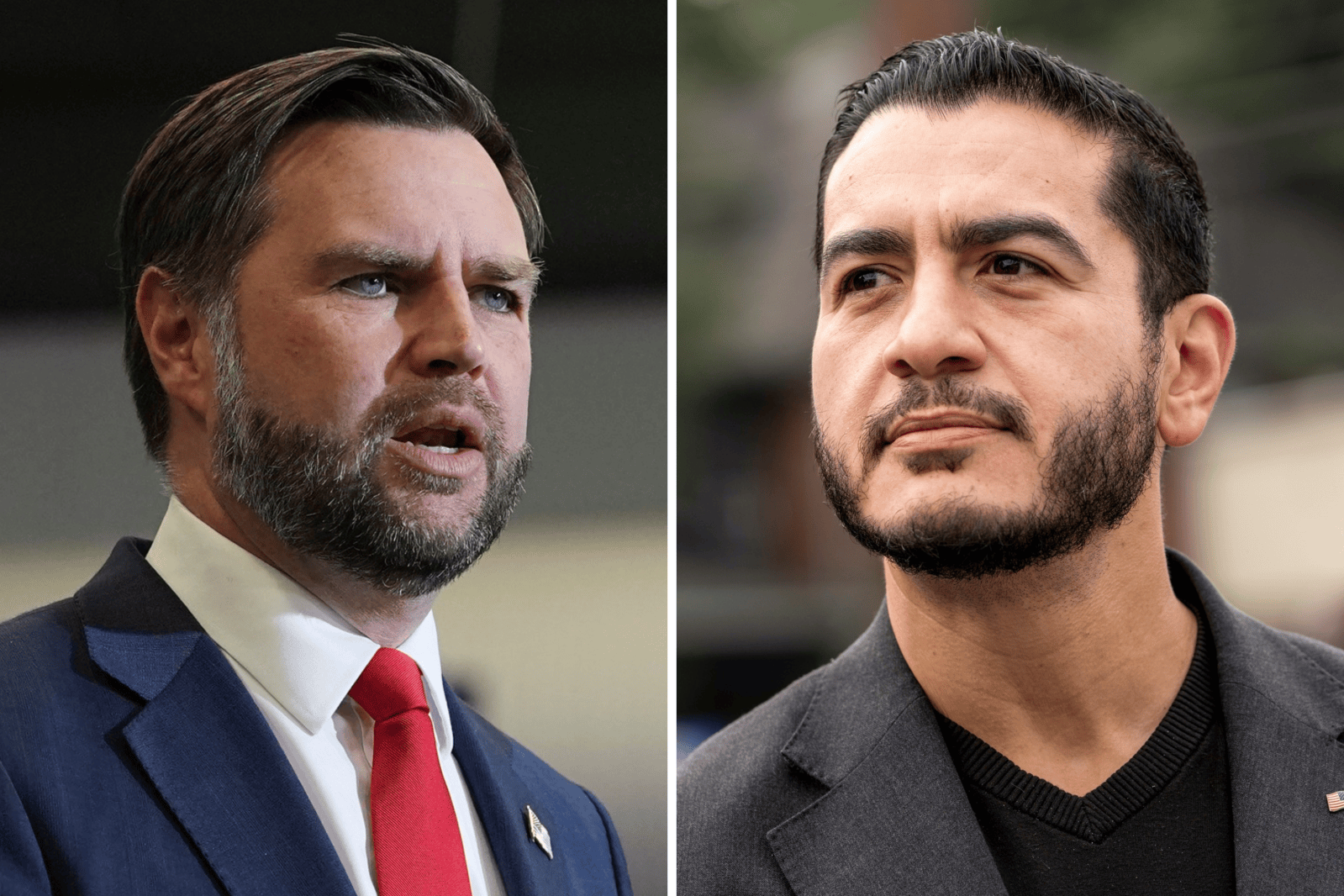
Vice President JD Vance and Michigan Senator-elect Abdul El-Sayed are exploring the possibility of a meeting after previously exchanging sharp remarks during their election campaigns. El-Sayed, a progressive candidate, secured a win against Republican Mike Rogers in Michigan’s Senate race by approximately 7 points. The election was perceived as a competitive battleground, with Republicans aiming to gain a seat in a challenging national climate. Vance was one of the high-profile Republicans who campaigned in Michigan to increase voter turnout, although those efforts were unsuccessful as El-Sayed emerged victorious.
The potential meeting is noteworthy, given the contentious nature of their relationship before the election, with both men engaging in personal criticisms. However, this meeting could serve as a platform for Vance to find common ground with El-Sayed, who represents a politically divided battleground state, particularly as Vance considers aspirations for higher office. Newsweek reached out to both parties for comments via email.
JD Vance and Abdul El-Sayed: What to Know
During an interview on MSNow’s The Briefing With Jen Psaki, El-Sayed mentioned receiving outreach from Vance’s office. “I’m looking forward to sitting down because at the end of the day, I understand that we have an opportunity to serve the American public,” he said. “I didn’t run for office to get elected to engage in this red versus blue drama.”
Political science professor Marjorie Sarbaugh-Thompson from Wayne State University suggested the meeting might help them “assess the other.” While policy differences exist, she noted some shared traits. “Both like to appeal to young male voters. Both are very politically ambitious. So they are getting a sense of how to interact and compete with each other.” Whether Vance plans to meet with other Democratic senators is still uncertain.
Public Exchanges Between Vance and El-Sayed
During an Ohio rally, Vance criticized El-Sayed, accusing the senator-elect, who is Muslim, of advocating for Sharia law. “I would love to go back in time and tell my papaw that there is a man who claims to stand for working people, who says not only should we have Sharia Law, but if you criticize it, you are a white supremacist,” he asserted.
El-Sayed responded on social media, referencing Vance’s wife, Usha Vance: “So do we think JD is taking Usha with him back in time to meet Papaw, or no…” His post received significant Republican backlash. Vance later instructed El-Sayed to “keep my wife’s name the hell out of your mouth because she’s way out of your league.” Vance also labeled El-Sayed “very, very evil.” In response, El-Sayed’s campaign highlighted policy decisions impacting healthcare and the economy as the real “evil.”
Vance accused El-Sayed of racism during a Michigan rally, claiming El-Sayed exhibited anti-white sentiments common in the Democratic Party. Conversely, El-Sayed mocked Vance as “Low T JD,” saying he diminishes energy during his speeches.
A Possible Path to Cooperation
In a Fox News interview, Vance extended an olive branch to El-Sayed. He stated if El-Sayed wishes to collaborate with the administration to better people’s lives, “he’s going to find us very much a willing partner.” El-Sayed agreed, emphasizing his focus on serving working people and expressing enthusiasm for their discussion.
Despite significant policy differences, the two might find consensus, particularly on foreign policy. El-Sayed criticized the Iran conflict, advocating for its conclusion. Vance has grown vocal about his concerns regarding the war’s impact. After the midterms, Vance quoted a pollster attributing the GOP’s losses partly to the war.
El-Sayed’s Win in Michigan
El-Sayed’s victory over Rogers marked a triumph for the political left, supported by notable figures like Senator Bernie Sanders and Representative Alexandria Ocasio-Cortez. He campaigned on policies such as Medicare for All and criticized Israel. El-Sayed will become one of the most progressive U.S. Senators, representing a state that supported Trump in 2024. Notably, he is set to be the first Muslim senator in American history.
Some Democrats were apprehensive that his progressive positions might alienate moderate Democrats and independents. Representative Haley Stevens, who ran against him in the Democratic primary, endorsed Rogers before the election. Nevertheless, El-Sayed prevailed with 52.6% of the vote compared to Rogers’ 45.4%, according to Michigan Secretary of State’s data.
What’s Next?
No specific details about the timing or topics of the meeting have been disclosed. El-Sayed and other incoming senators will be inaugurated in January 2027. Newsweek’s team utilized Martyn, their AI assistant, for this story.