Reevaluating the Role of Dr. Fauci and Medical Institutions’ Trust Issues
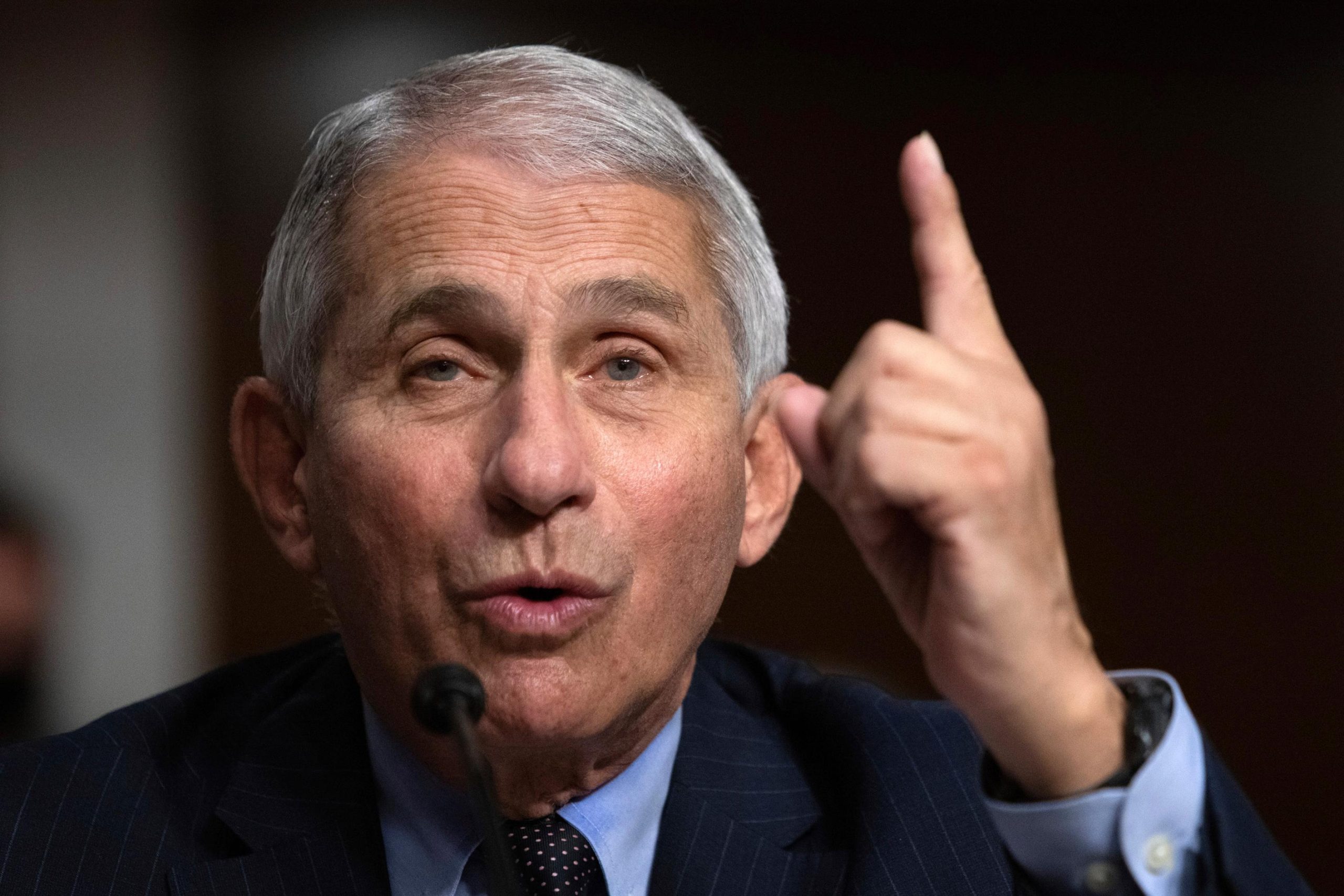
Dr. Anthony Fauci’s involvement in the federal government’s response to COVID-19 has faced scrutiny. On September 23, 2020, he testified regarding these efforts. Coming to terms with past errors is crucial for esteemed medical bodies to regain public trust. Addressing Dr. Fauci’s impact must be prioritized.
Jay Bhattacharya, a chief at the National Institutes of Health, has urged the editors of Nature Magazine to consider Fauci’s and former NIH head Francis Collins’s roles in shaping a significant 2020 article that criticized the then-ridiculed ‘lab-leak hypothesis.’ Congressional investigations revealed emails where Fauci and Collins pressured scientists, dependent on their grants, to draft a peer-reviewed article dismissing lab-leak proponents as conspiracy theorists.
Records indicate Fauci reviewed and suggested changes to drafts despite later denying any knowledge of the paper before its publication. The paper’s authors suppressed doubts about the conclusions to avoid backlash against China. Fauci appeared to resist the idea due to his involvement in directing NIH grants towards research at the Wuhan Institute of Virology, contrary to federal regulations. His top assistant admitted to concealing these acts.
Bhattacharya has called for Nature Medicine to correct or retract the paper, aiming to set the record straight and restore the magazine’s reputation after its role in this matter. One factor likely shielding Fauci from consequences is a comprehensive pardon from President Biden, which covers his significant efforts in counteracting the lab-leak hypothesis. This conduct complicates determining the pandemic’s true origins.
Other areas also demand transparency from medical authorities. For instance, mainstream institutions that supported the ‘voodoo science’ surrounding transgender youth owe explanations. Until science professionals prioritize facts over politics, the phrase ‘trust the experts’ will remain a source of skepticism.