Reagan’s Military Buildup and Its Legacy
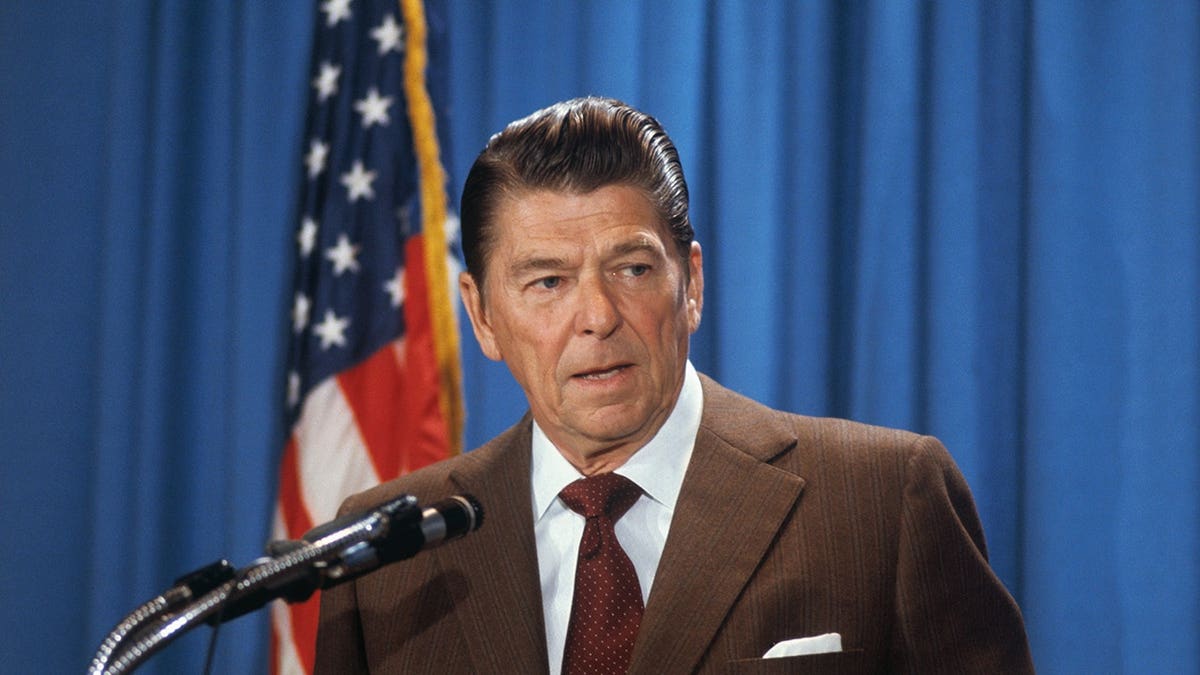
The Cuban missile crisis marked the start of a Soviet effort to gain nuclear superiority. This attempt intensified as the U.S. engaged in the Vietnam War. By the time Ronald Reagan defeated President Jimmy Carter, the Soviets were close to achieving this goal. Reagan’s response, an extensive defense buildup, is detailed in “Peace Through Strength” by Roger Zakheim.
Zakheim, director of the Ronald Reagan Institute, uses his experience from Covington & Burling LLP and the House Armed Services Committee to provide insights into Reagan’s military strategy. His book explores how Reagan, between President Gerald Ford’s defeat in 1976 and his own election in 1980, focused on enhancing U.S. military power.
Reagan’s dedication to rebuilding the U.S. arsenal is emphasized, with figures like Richard Allen and John Lehman contributing to his strategy. Zakheim reviews the intellectual framework of “peace through strength,” outlining the roles significant players took in attaining this goal.
Reagan sought to win the Cold War by equipping the U.S. with formidable military capabilities. His administration, alongside figures such as Secretary of Defense Caspar Weinberger, undertook a massive and costly defense strategy. Challenges existed, like the MX missile debate, yet successes were also achieved, notably the Pershing II deployments.
Reagan and President George H.W. Bush managed to bolster U.S. defenses. Nevertheless, the longevity of these enhancements is limited. Continual updates and maintenance are urgent, as highlighted by the exponential rise of the national debt compared to 1981.
Currently, President Trump has initiated efforts to renew national security infrastructure. Concerns loom, however, as incoming Democratic majorities might prioritize social programs over defense, even as global challenges from countries like China and Russia persist.
The conclusion of the Republican Congress brings a focus on solidifying the U.S.’s military renewal. Zakheim’s book serves as a reminder of the successes of past administrations and the urgent need for bipartisan support of military modernization.
Future presidential candidates should heed lessons from Reagan’s era. The country faces increasing threats, demanding that leaders prioritize military and national security.
Hugh Hewitt, a contributor to the discussion, hosts “The Hugh Hewitt Show” and has extensive experience in law and media. His career history underscores the importance of national security in political discourse.