New York City Unveils Plan to Replace Rikers Island
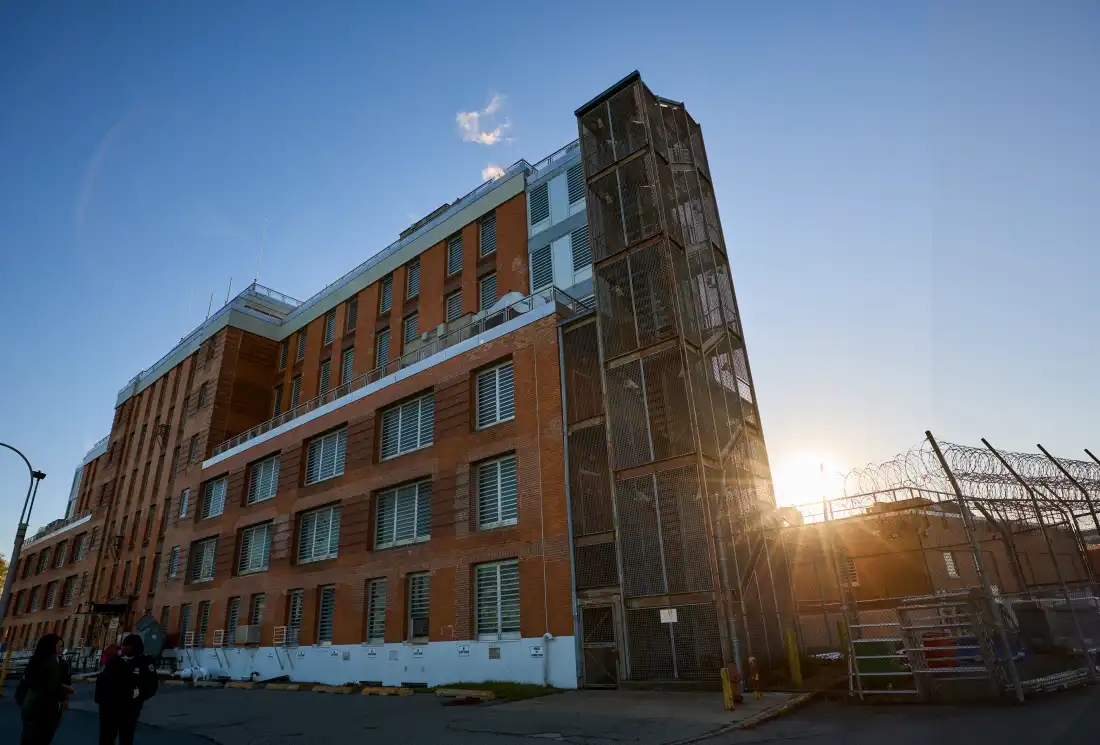
New York City officials have outlined their strategy to close the Rikers Island jail complex and transition to smaller facilities located within the boroughs. The city aims to replace the troubled facility with a more humane system focusing on crime prevention and safety. Mayor Zohran Mamdani recently commented, “We cannot simply accept the old approaches to public safety just because they’ve always been done that way.”
Background and Challenges
Rikers Island has long faced criticism due to reports of poor conditions and abuse. Inmates have filed various lawsuits citing excessive force and violence. Last year, a federal judge labeled the environment as an “unconstitutional danger.” Since 2022, more than 50 detainees have died in custody, highlighting the urgent need for change.
Rikers is significantly more violent than comparable jails, with reports indicating a pervasive issue of excessive force.
The New Plan
New York City’s plan involves creating four smaller jails in Brooklyn, Manhattan, Queens, and the Bronx. Located closer to courts and public transit, these facilities aim to ease access for families and legal representatives. The initial deadline to close Rikers by 2027 may not be met, yet officials remain optimistic about progress.
Stanley Richards, former inmate and current commissioner of the Department of Correction (DOC), will lead this transition. Richards emphasizes human dignity in incarceration settings. The plan also includes expanding housing initiatives and therapeutic units for those released with medical needs.
Reform and Innovation
Operations at Rikers were recently stripped from city authority and are now supervised by a remediation manager. This individual introduced a plan inspired by European correctional systems which focus on human dignity. Visits to Germany by city officials explored international models of incarceration.
Christopher Watler, chair of the New York City Board of Correction, noted the humane aspects of German prisons. His insights highlight how such approaches can inform local reforms.
Future Construction and Investments
The four new facilities are expected to reduce the incarcerated population by 2,000 from its current 6,600. The city plans to invest over $250 million in alternatives to incarceration. This includes diversion programs, electronic monitoring, and support services like housing and mental health treatment.
Efforts will also focus on reducing the length of stays, which have lengthened over the years. Processing court cases efficiently remains a vital component of these plans.
Judge Joseph Zayas commented on addressing factors that contribute to jail population size, such as discovery and mental health evaluations.
Risks and Considerations
There are concerns about potential setbacks if the city’s jail population does not decrease sufficiently. Vincent Schiraldi highlighted the difficulty in forecasting lower incarceration rates. However, other cities, like New Orleans, have successfully reduced their jail populations significantly.
Elizabeth Glazer emphasized the importance of having contingency plans to account for variables in jail population management.
Cultural Shift
A significant element of the reform involves changing the prevailing “culture of violence” within the facilities. Training and oversight, in addition to systemic changes, are outlined in the remediation manager’s plan. This is to ensure that the next generation of jails does not inherit the failures of Rikers.
Stanley Richards stressed the importance of valuing staff, with a goal to extend that same humanity to inmates.
The ambitious agenda reflects a serious commitment to overhauling the criminal justice system in New York City, aiming for a more just and humane future.