US Army Delays Detonation of Bomb-Making Chemicals in Iowa Amid Public Concerns
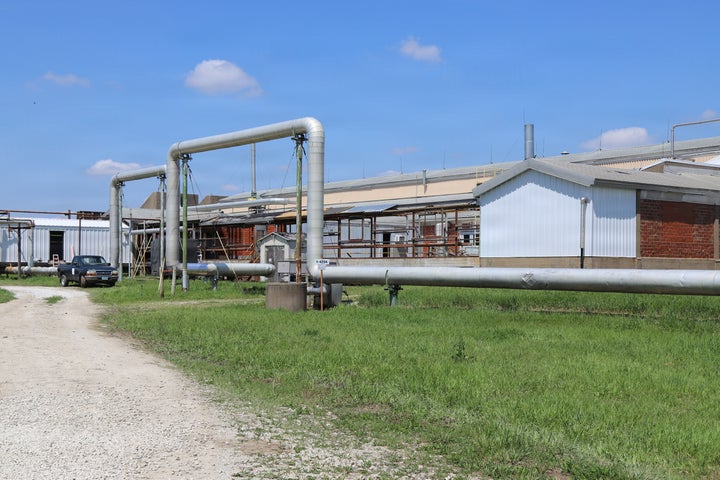
The U.S. Army has postponed the detonation of bomb-making chemicals in southeast Iowa due to public apprehension about potential lead dust contamination. The detonation, initially scheduled for Friday, will now happen on Monday.
Governor Kim Reynolds, who urged for the delay, communicated her concerns to Acting Secretary of the Army, Adam Telle. Environmental groups had also filed a lawsuit to halt the plan.
Earlier this year, degraded barrels of lead azide were discovered at the Iowa Army Ammunition Plant, posing a high risk of accidental detonation. According to an EPA permit, any movement of these barrels in cold weather could be dangerous.
Telle noted that delaying the detonation allows time before cold weather increases the risk of material destabilization. During preparation, Army officials advised residents of nearby Middletown to temporarily vacate.
The Army held a public meeting in Middletown in October, but many communities only received notice recently. An EPA permit necessitated modeling of how airborne particles from the detonation could spread.
“Public communication is essential to public trust,” Telle stated.
Schools and businesses in the region, such as those in Danville, had already planned to close on Friday. Danville’s School Superintendent Pat Wallace expressed caution, electing to close schools due to uncertainties.
In Mediapolis, preparation included school closures and plans for the fire department to clean playgrounds potentially affected by particles. While the detonation is expected to cause vibrations, resident concerns focus on the largely unpredictable impacts of lead particles as predicted by Army modeling.
In March, Middletown residents were informed of the deteriorating chemicals and were advised the material demanded careful handling. Lt. Col. Daniel Nosse emphasized the necessity of safety, acknowledging the chemical’s volatility.
A specialized team from the Army developed the detonation strategy, indicating relocating the barrels could result in accidental detonations, particularly in cold conditions.
Experts caution locals about possible contamination. Professor Patrick O’Shaughnessy from the University of Iowa highlights the neurological risks of lead exposure. Andrew Whelton from Purdue University explains that large doses are linked to lead poisoning symptoms, whereas long-term exposure may cause developmental issues in children.
Amid concerns, residents sought soil test kits from Iowa State’s Des Moines County Extension field office. Many were anxious about the safety of their gardens and livestock, reported staff member Morgan Hoenig.
Environmental organizations are contesting the detonation, arguing the Army and EPA did not sufficiently explore safer alternatives like chemical neutralization of the drums’ contents.