Protecting the U.S.’s Vulnerable Infrastructure from Disruptions
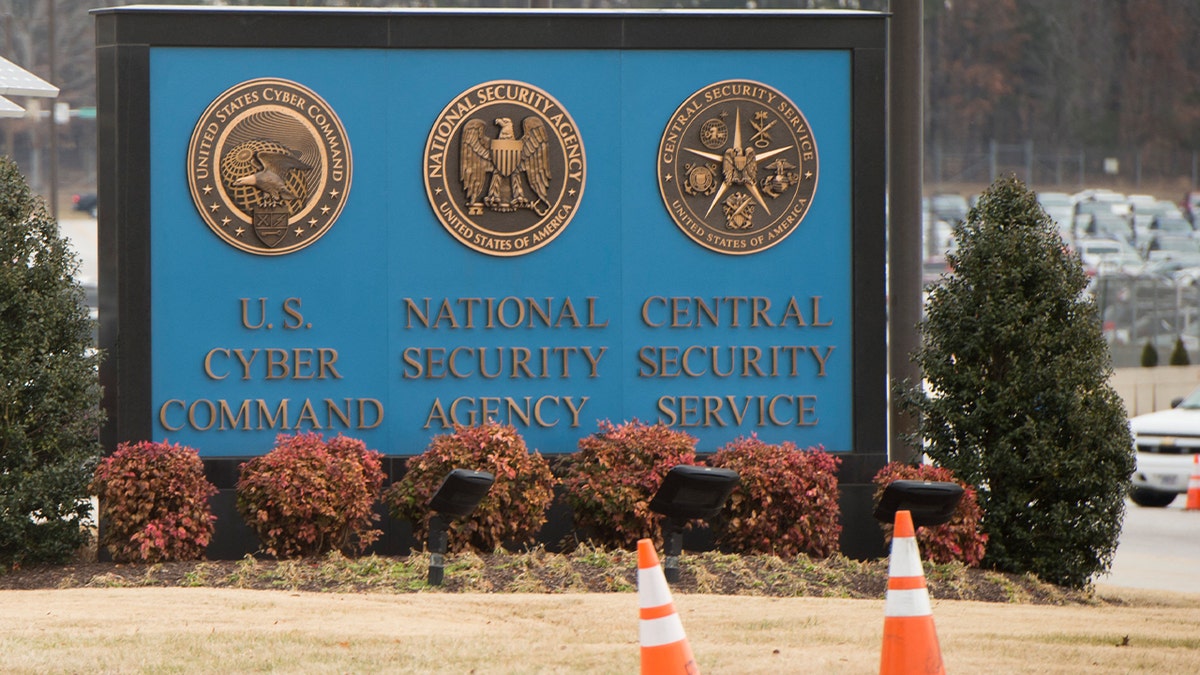
Adversaries of the United States have long focused on disrupting the nation’s critical infrastructure. Recent technology disruptions affecting banks, airlines, and even the NSA illustrate how serious these problems can be, even without direct cyberattacks. Speculation has arisen about connections between these incidents despite assurances from the Trump administration that a coordinated cyberattack is not to blame.
Despite these reassurances, national security experts highlight the importance of safeguarding systems crucial to financial transactions and military operations. Tommy Waller, a national security expert at the Center for Security Policy, emphasized how adversaries use technological domains to target U.S. infrastructure.
“Modern warfare, our people and our critical infrastructures are a prime target for all of our adversaries,” said Waller.
Technological disruptions over six days have impacted Microsoft 365, commercial air travel, payroll software, banking, and the NSA’s internal communications. Some disruptions had significant effects, like the second-ever nationwide ground stop of commercial flights since 9/11. National Intelligence Director Jay Clayton and Homeland Security Secretary Markwayne Mullin confirmed no cyberattacks were involved, with Mullin predicting that such disruptions may increase as new technologies emerge.
Concerns peaked with the disruption at the NSA. The agency’s internal network, NSA Net, went offline for days, impacting classified communications. Operations resumed gradually at their Fort Meade campus, suggesting routine maintenance was the cause. However, some experts find coincidences in the timing suspicious. Steve Bucci, a cybersecurity expert, hinted at the complexities of isolated systems experiencing failures.
A U.S. official clarified the interruptions were due to maintenance, with crucial national security operations remaining unaffected. Waller suggested self-induced efforts to patch vulnerabilities might explain NSA’s issues but questioned if other disruptions were mere coincidences.
Daniel Hoffman, former CIA station chief, warned that foreign adversaries like China, Russia, and Iran continuously target financial institutions and tech companies. In July, hackers attempted to access over 30 municipal water systems in Minnesota, prompting federal investigations into possible Iranian involvement.
The Pentagon anticipates widespread infrastructure failures could occur in major conflicts. Military bases in the U.S. are directed to maintain operations without external support for 90 days under the FORTRESS initiative, to mitigate risks.
Waller referenced Chinese military doctrines that consider disrupting civilian systems during a conflict. While he does not accuse China of involvement in current incidents, he stresses the importance of acknowledging potential threats.
Research has revealed Chinese-sponsored hackers infiltrating U.S. systems, potentially to disrupt services during conflicts. Despite efforts to dismantle these infiltrators, their activities persist.
Bucci cautioned that adversaries might avoid visible disruptions to keep their actions undetected. Calls for increased transparency from federal and private sectors have emerged. Hoffman noted that public confidence in banks and other systems is crucial, urging transparency from those managing critical infrastructures.
“Number one, just tell the truth and be transparent,” advocated Waller.