Dearborn Residents on Abdul El-Sayed’s Senate Victory
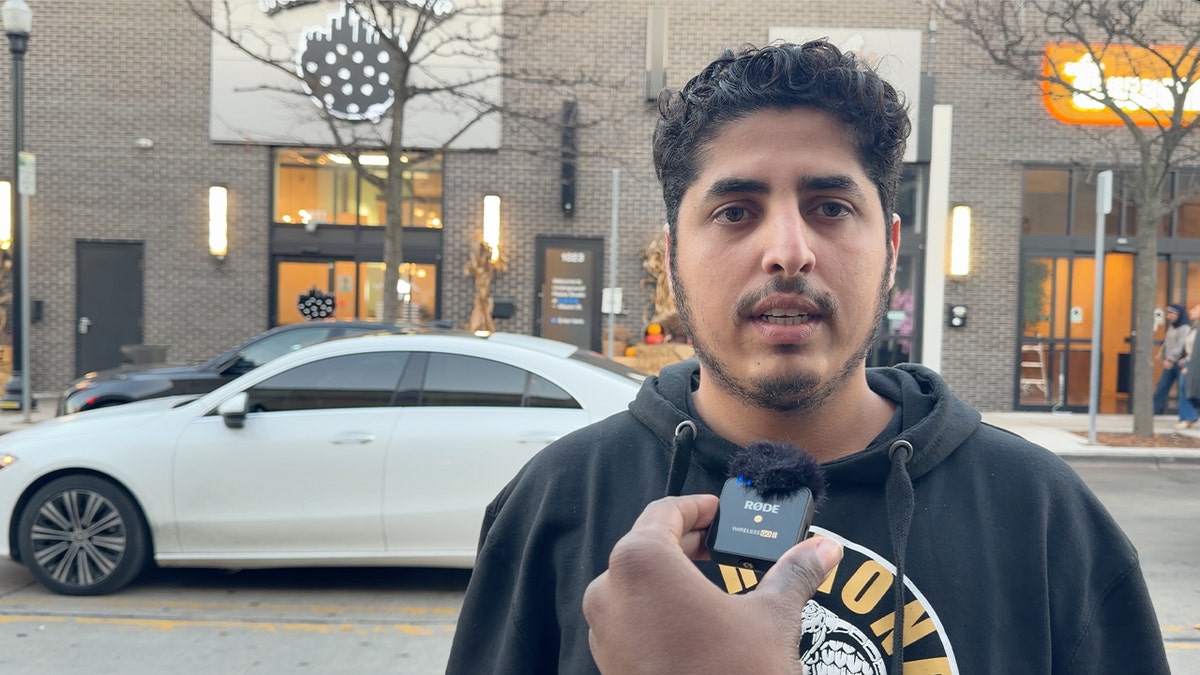
In Dearborn, Michigan, locals have expressed approval of Sen.-elect Abdul El-Sayed’s recent election to the U.S. Senate. Many residents believe that his leadership represents much-needed change for the state.
A Dearborn local, who preferred to remain anonymous, highlighted the need for transformation in Michigan, emphasizing the timing and positivity of El-Sayed’s election. This city is notable for having a high proportion of Muslims, with nearly half its population following Islam.
Jamal Jawad, proprietor of The Custard Company and opening a new shawarma restaurant called ‘Toum,’ shared his favorable view on the election. He mentioned the positive implications for affordable healthcare for Dearborn residents. According to Jawad, the election reflects a shift favored by those wanting financial relief and accessible healthcare.
Dearborn Mayor Abdullah Hammoud described El-Sayed’s victory over former Republican Rep. Mike Rogers as ‘monumental.’ He praised El-Sayed as a representation of America’s diversity, elevating a Muslim American to the Senate based on leadership qualities rather than religious affiliation.
El-Sayed, a progressive Democrat and former health director in Detroit, has made history as the first Muslim American elected to the Senate. Hala, another resident, voiced confidence in El-Sayed’s capability as a senator.
Educational professional Deronda commended El-Sayed for addressing challenges thoughtfully, highlighting his multifaceted role as a family man and politician. She noted the importance of diversity, indicating that understanding different cultures is vital in a diverse society.
Dearborn has historically welcomed Muslim and Arab immigrants since the early 20th century, driven by opportunities in the automotive industry. Residents have generally embraced these demographic changes despite concerns raised by some.
Army veteran Ali Seif spoke positively of Dearborn, noting similarities to other cities except for differences in cultural practices. Seif emphasized the normalcy and friendliness of the city.
In the nearby city of Warren, Michigan, demographic shifts are also observable. The conversion of a local church into the Al Ihsaan Islamic Center is a sign of these changes. Some residents expressed concern about feeling displaced as Muslim immigrants move to the area.
Warren, Michigan’s third-largest city, has undergone significant population and cultural transformations since its incorporation in 1957, following an influx of war veterans seeking jobs in the automotive sector.
Another local, Adam Seif, commented on the potential for Dearborn’s Arab population to expand into areas like Ohio or Warren, suggesting broader demographic trends.