Supreme Court Declines Case on Compelled Speech in Medicine
The US Supreme Court recently chose not to hear a critical case involving freedom of speech and medicine, sparking controversy. The case involved a California doctor’s challenge against a state law mandating endorsement of the ‘implicit bias’ theory as a part of continuing medical education.
Proponents of implicit bias argue that unconscious biases result in lower quality care for minority patients. Dr. Azadeh Khatibi, who provides continuing education for physicians, contends that the state’s requirement forces her to support a governmental perspective as fact.
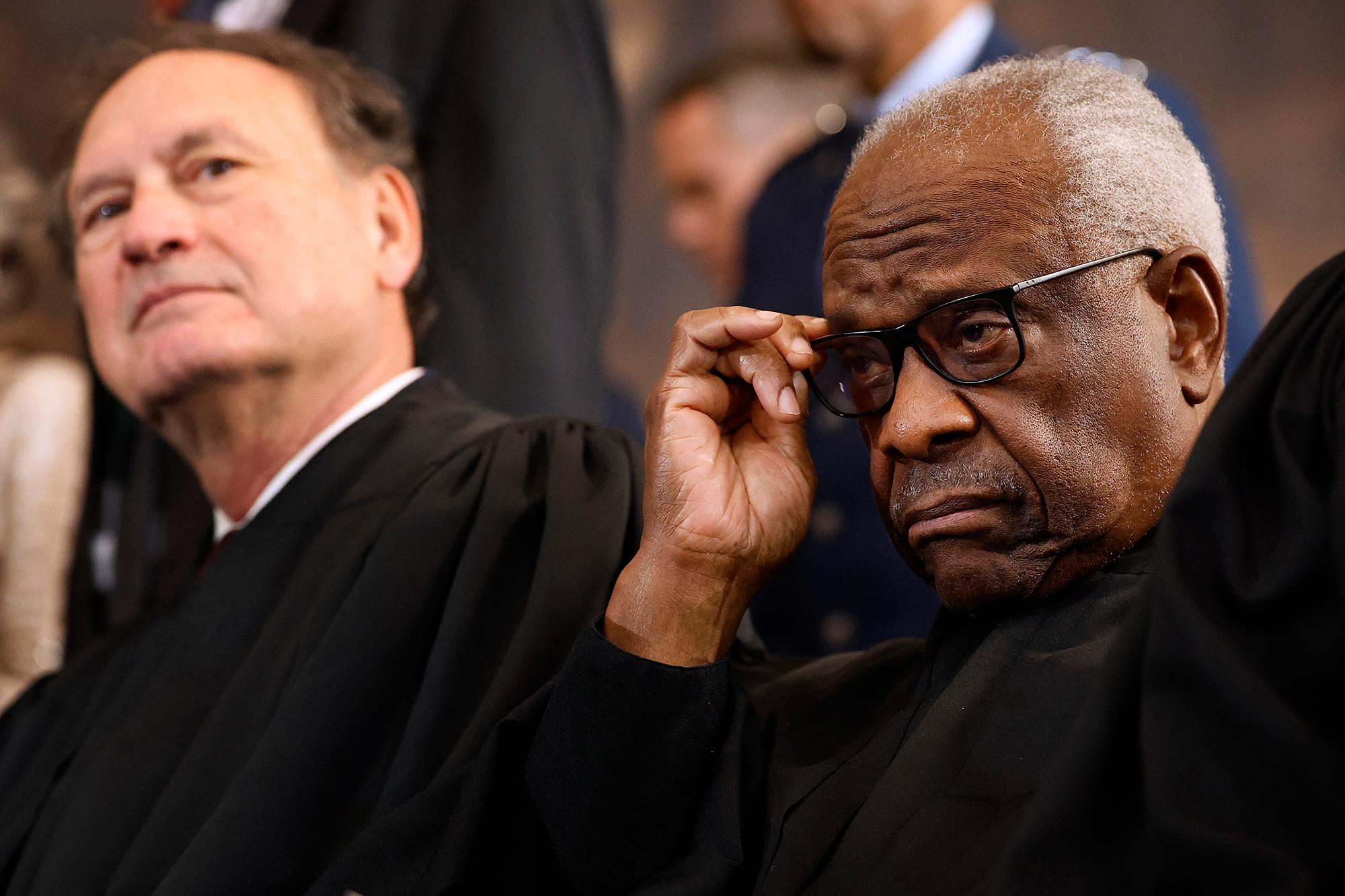
Justices Samuel Alito and Clarence Thomas supported taking the case, but the majority of the court upheld California’s stance. They agreed with the argument that regulation in the medical profession permits such mandates.
There is little evidence to suggest that implicit bias training enhances patient outcomes. This requirement is not limited to California; Maryland and Virginia have implemented similar laws. Maryland has linked medical-license renewals to completion of implicit bias programs, and Virginia’s comparable law is already active. In Illinois, a new law about implicit bias training related to maternal health will begin on January 1.
Beyond medicine, a proposed bill in New York aims to require implicit bias training for all state employees. More legislation influences public sector policies, such as the Kelly Loving Act in Colorado, which protects a person’s chosen name akin to characteristics like race or religion. Violations in respecting chosen names might result in legal problems.
California’s Assembly Bill 1803 mandates anti-hate speech training for businesses with at least five employees, starting in 2028. The Supreme Court’s reluctance with Dr. Khatibi’s case, noted Justice Thomas, may embolden efforts to regulate speech. He warns that not defending the First Amendment could encourage broader speech controls, particularly as Democrats maintain control in several states post recent elections.