Anoka-Hennepin School Board Stalemate Over Ethnic Studies
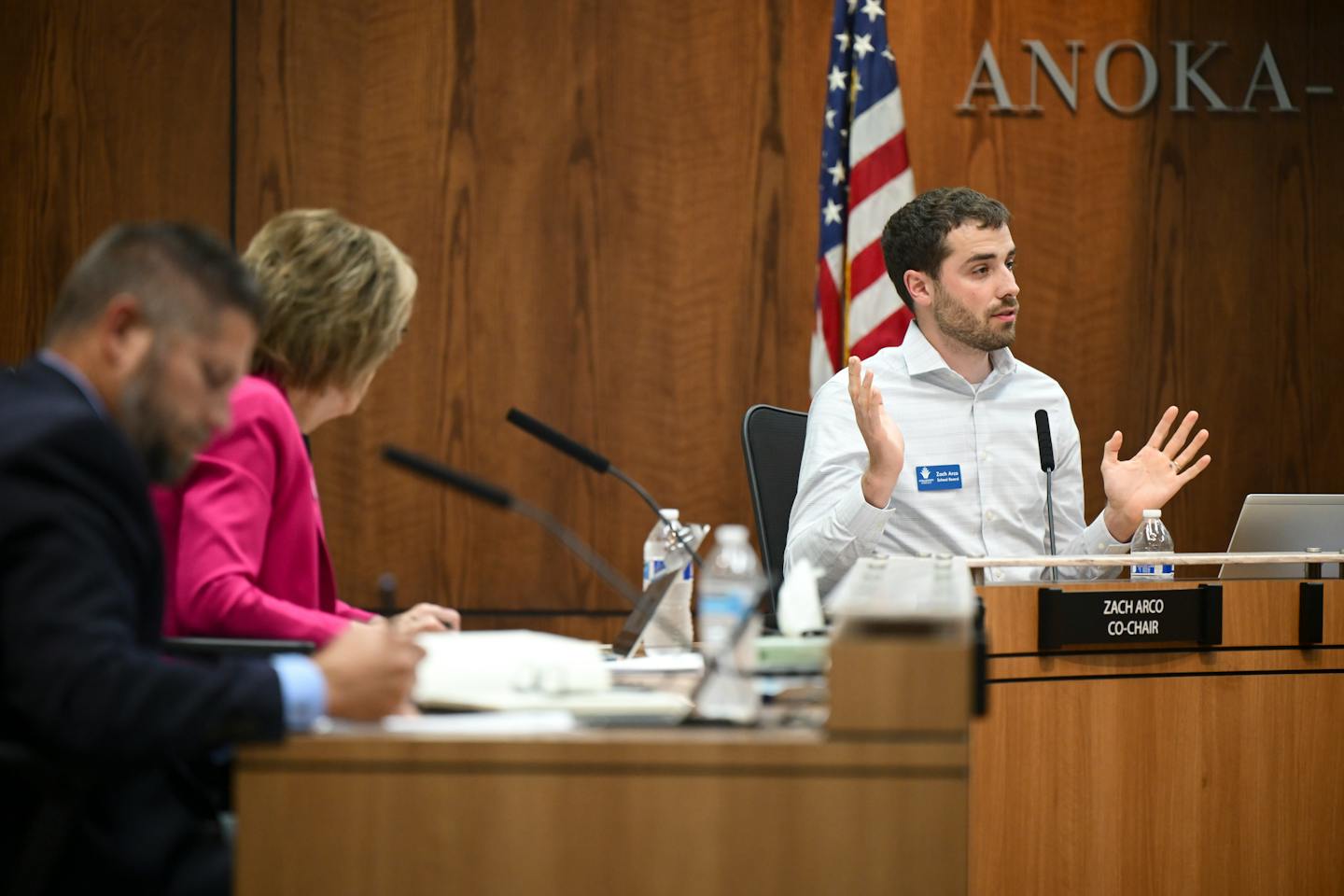
The Anoka-Hennepin School Board is deadlocked over ethnic studies curriculum. This has resulted in social studies teachers in Minnesota’s largest district entering summer without guidance on new state standards effective this fall.
This impasse comes after years of collaboration among teachers, administrators, and community members. The discord centers on ethnic studies requirements, igniting division within the politically split school board which has faced past disagreements over curriculum.
In a 3-3 vote, the board halted plans to pilot new curriculum materials for elementary social studies and various high school courses such as civics and U.S. history.
“What that means right now is there is not a pathway for teachers to know exactly what they’re supposed to do in the fall,” said John Wolhaupter, president of the Anoka-Hennepin teachers union.
The school district has previously battled over curriculum for subjects like social studies and science. Teachers and their union have criticized the board’s intervention as overreach. Some conservative members contend that their actions reflect appropriate oversight and community concerns.
Divergent views on curriculum development have persisted despite rigorous planning. A study committee, including board members, was set up in 2022. Various events involving educators and residents were held to vet curriculum options before reaching the board.
In June 2024, teachers were set to initiate pilot curriculum trials but faced delays. Champlin Park High School teacher Dave Evensen mentioned that everything had been stalled.
“We have not really received responses, other than what you’re hearing at the board meetings,” Evensen said.
Board member Zach Arco advised to be “minimally compliant” with the new standards, sparking backlash for being vague and perceived as dismissive. Teachers argue the need to exceed the minimum for student benefit.
Administrators, including Superintendent Cory McIntyre, warned that time is running out. Current materials fall short of addressing revised standards adequately.
“Teachers are starting with nothing for more than half the standards that are required,” said Sarah Hunter, executive director of secondary education.
Curriculum proposal advocates maintain that the board should not alter state standards but instead focus on facilitating how they are taught. Arco, opposing some materials, views ethnic studies as “political” and “divisive.” He debated the presentation of historical topics, asserting that a broader narrative is necessary.
Evensen emphasized the new standards’ call for analyzing historical perspectives rather than rote memorization.
“Even on ‘hot-button’ topics, students are learning how to form their own opinions and debate respectfully,” Evensen said.
Teachers face uncertainty in how to meet state demands without board-approved materials. Open-source resources might be necessary, pending clarity from the Minnesota Department of Education.
The necessity to potentially invest summer months into curriculum preparation remains a concern for educators if the board revisits these issues.
“Our teachers have been working on this for multiple years at this point,” Wolhaupter said. “But our board has rejected that work of dedicated expert teachers over a particular political issue.”